Going for Christmas and New Year to unusual places has become a good tradition for us. We’ve already “celebrated”, for example, in Morocco (2017/18), Lebanon (2019/20), Tunisia (2021/22), and Socotra (2022/23). This season was no exception as we set our sights on Uganda. It was our first proper trip to Sub-Saharan Africa, and to be honest, we knew almost nothing about the country.
Alex found a local tour guide and worked with them to craft a tailored itinerary for our one-week visit. And now, I’ll try to share what we got out of it—a journey filled with stories, experiences, and memories.
- Dec 25: Day 1 – Arrival in Kampala
- Dec 26: Day 2 – Source of the Nile and Boat Trip
- Dec 27: Day 3 – Ziwa Rhino Sanctuary and Murchison Falls
- Dec 28: Day 4 – Game Drive and Boat Trip in Murchison Falls NP
- Dec 29: Day 5 – Travel and Coffee Experience
- Dec 30: Day 6 – Swamp Walk and Chimpanzee Trekking
- Dec 31: Day 7 – Lion Trekking and Boat Tour in Queen Elizabeth NP
- Jan 1: Day 8 – Return to Entebbe
- Final Thoughts
- Practical Tips for Travelers
Dec 25: Day 1 – Arrival in Kampala
We arrived in Entebbe by plane early in the morning on 25.12. After landing, we took care of essentials—buying SIM cards, withdrawing cash, and arranging transportation to our hotel with their driver. Fortunately, the hotel allowed us to check in early for a small extra fee and even served us breakfast.
After settling in, we decided to explore the city on our own. The district where our hotel was located was quite upscale. It had clean, asphalted streets and beautiful views of a golf field.

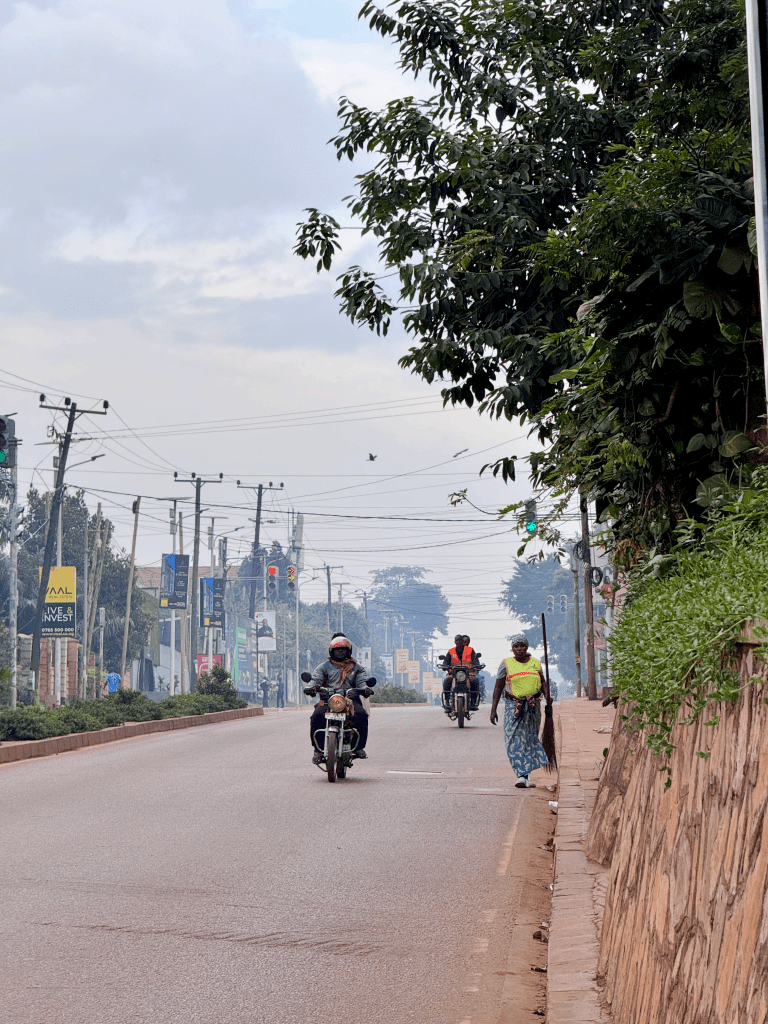
However, stepping out of this neighborhood showed us a completely different side of the city. On our way to visit the tombs and palace, we walked through neighborhoods with red dirt roads, observing daily life. I didn’t take many photos, as I felt a bit uneasy doing so.
The streets were full of activity, with boda bodas (motorcycle taxis) constantly passing by. Many riders offered us a lift, but we weren’t sure about the cost or the safety of this choice. It seemed you might not even need a license to ride one (though I’m not certain about that!). So, we chose to walk to our destinations instead.

Our first stop was the Kasubi Tombs, a UNESCO World Heritage site. We were pleasantly surprised to find them open on Christmas, as Uganda is mainly a Christian country. Not only were they open, but they also offered guided tours.
During the tour, our guide shared fascinating details about the Burundi Kingdom’s traditions. The kingdom is divided into clans—there are 53 in total—and each clan has its own totem. The clans use various objects as their totems. For example, the clan of our first guide has the heart as its totem. And John’s clan has the genet cat. Other clans use plants, natural elements, or specific objects as their totems. Members of a clan are forbidden to eat their totem, as it is considered sacred.
The clan system also affects family and marriage traditions. Children inherit their father’s clan and are not allowed to marry members of their own clan or their mother’s clan. This happens because all members of a father’s clan are considered the child’s “fathers.” Members of the mother’s clan are viewed as the child’s “mothers.”
Interestingly, the king of Burundi is above the clan system. He marries women from each clan, and his children inherit their mothers’ clans. This practice ensures representation and connection across the entire kingdom.
After the tombs, we decided to take a taxi to the Kabaka’s Palace. At the palace, we learned more about Uganda’s history and culture.
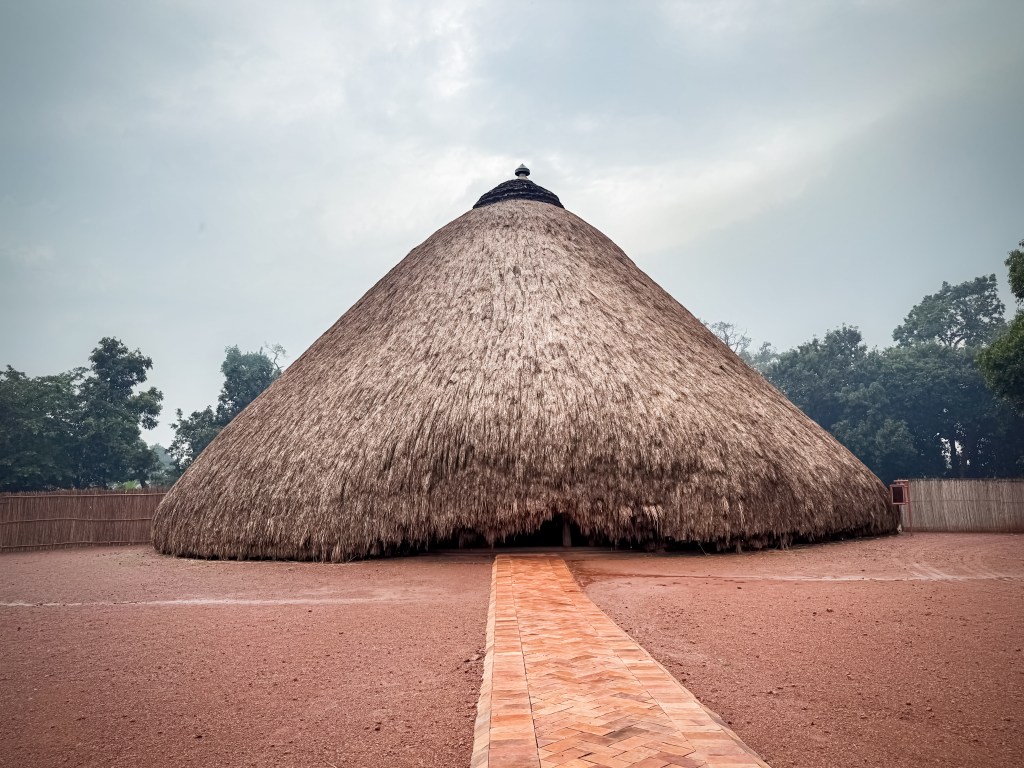

At this point, we were pretty tired from the overnight flight. We had also been walking a lot and got caught in the rain. We decided to take a normal taxi and head back to our hotel.
Dec 26: Day 2 – Source of the Nile and Boat Trip
After breakfast on our second day in Uganda, we met our coordinator, Richard, and our driver-guide, John. We packed our luggage into the car and set off towards the adventure!
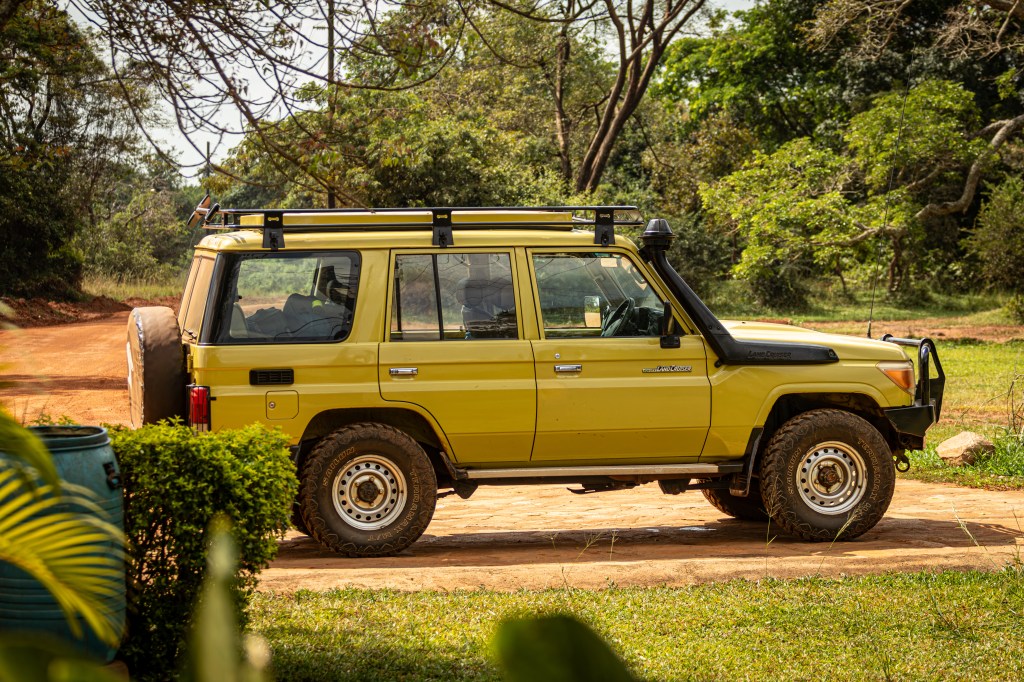
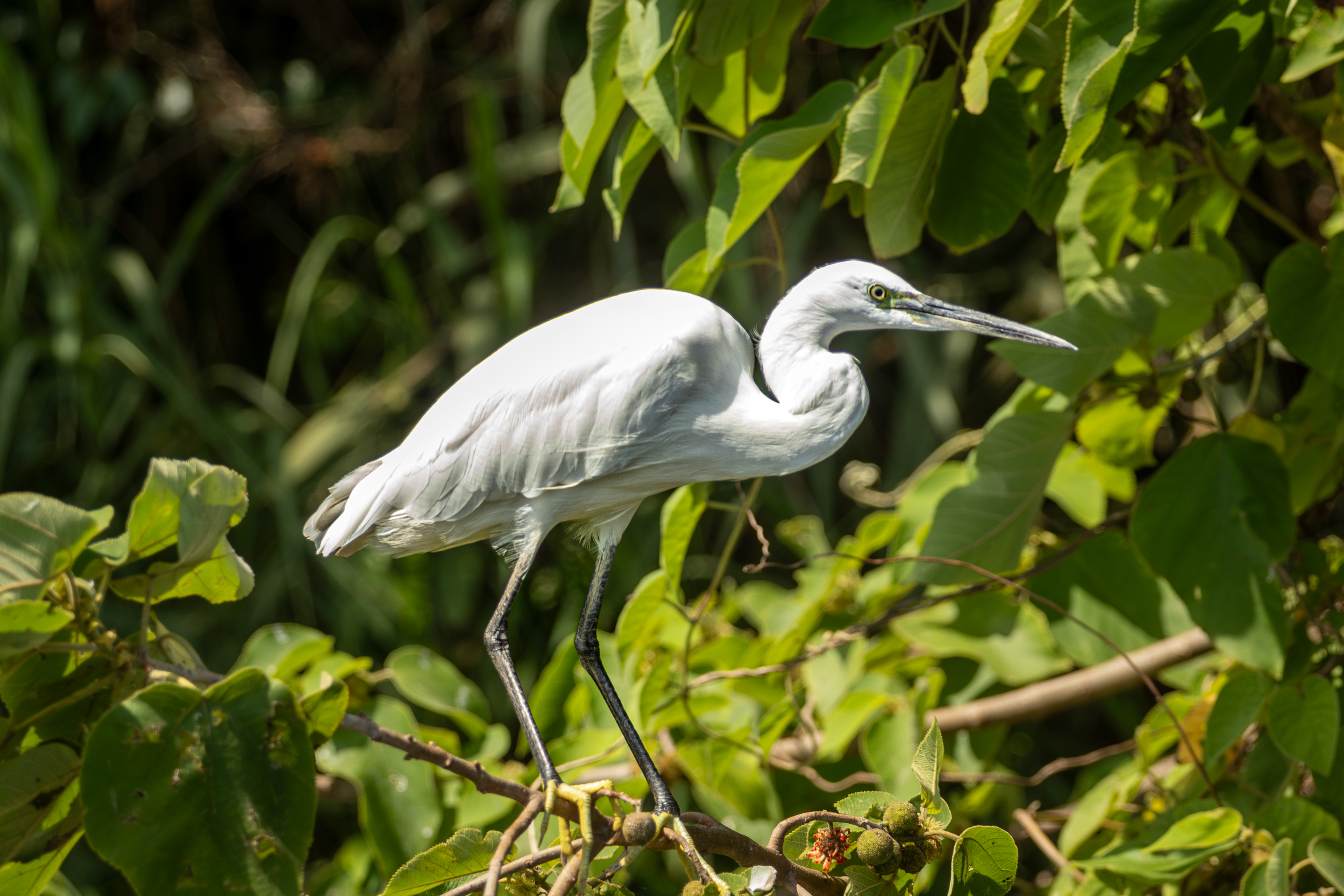
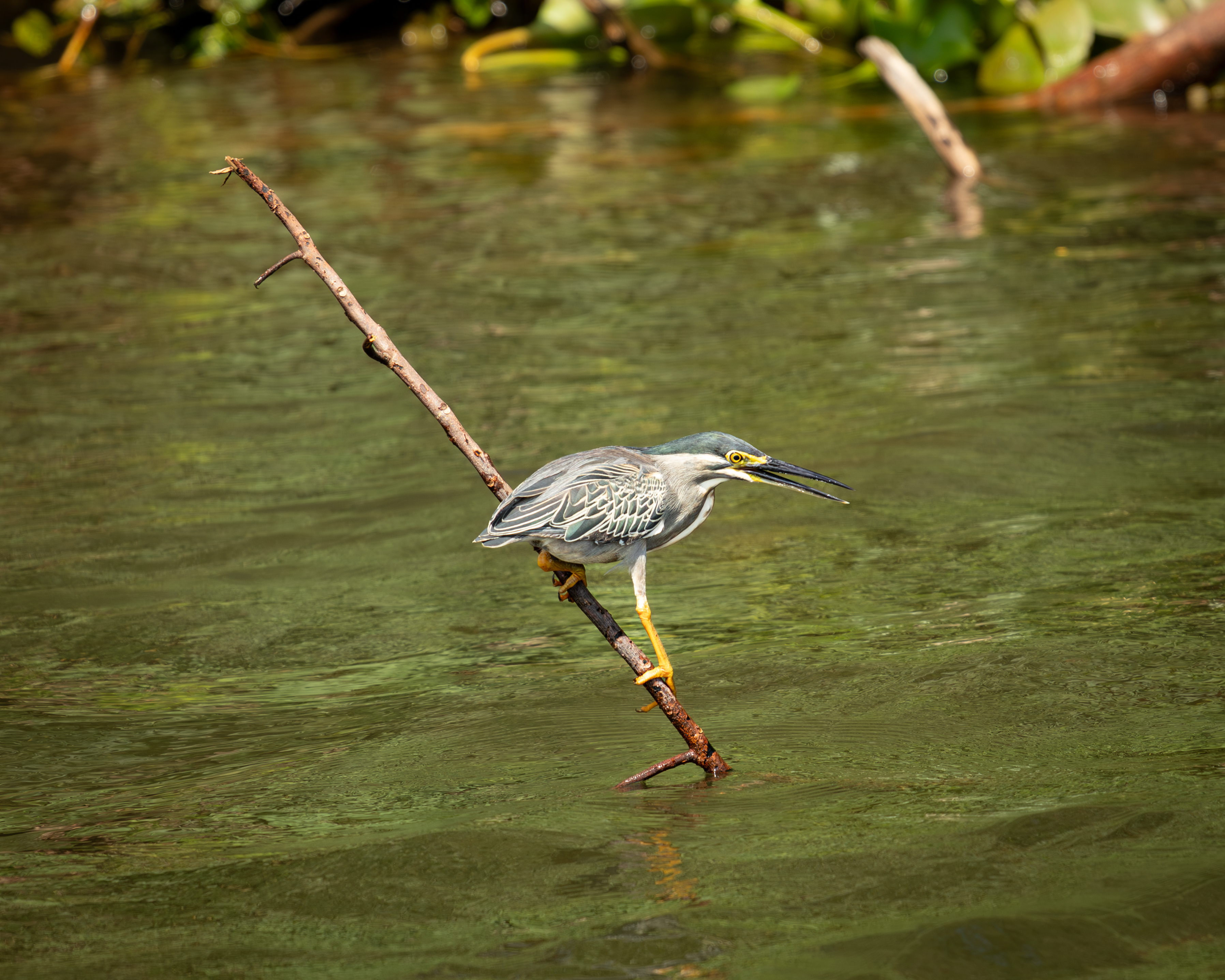
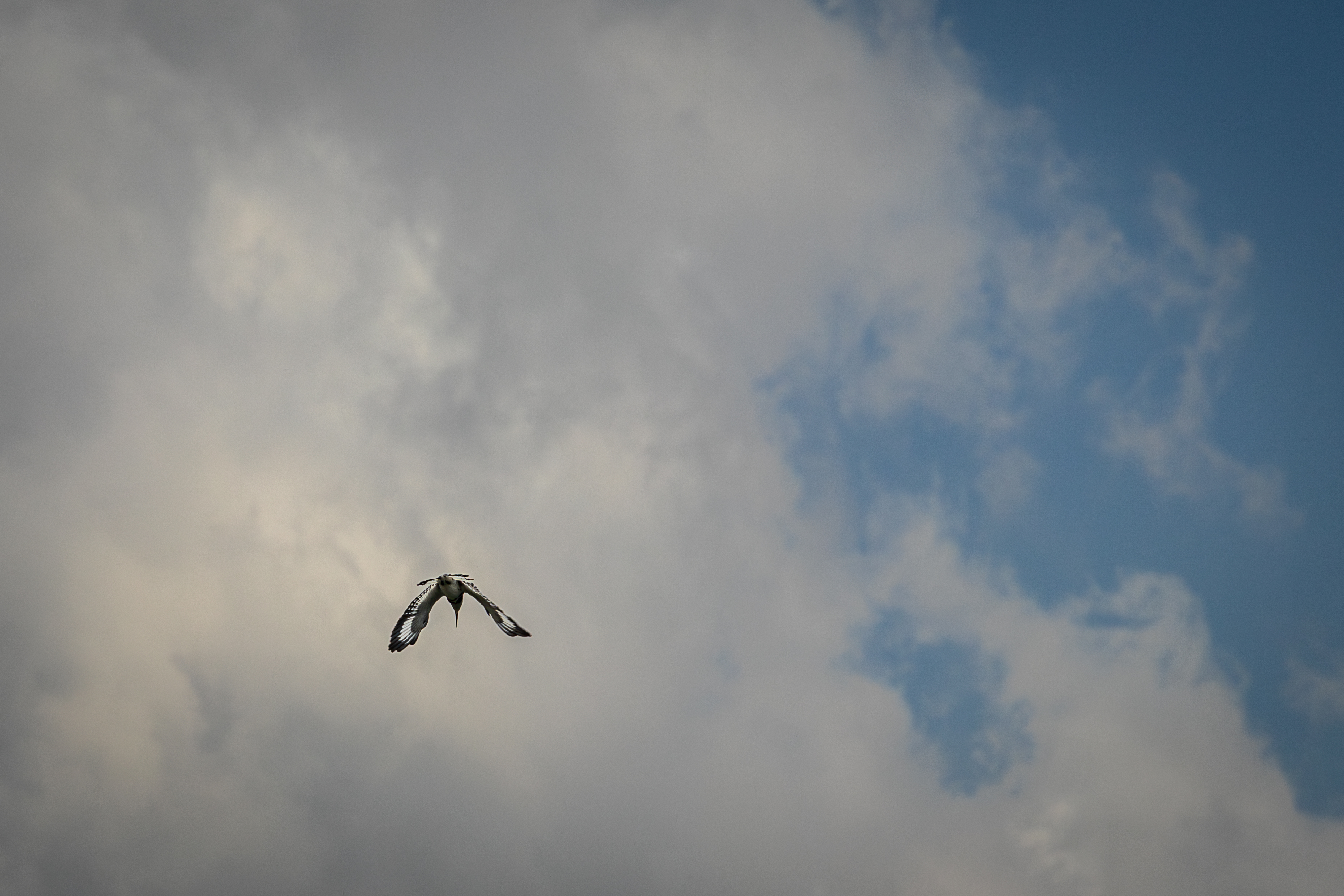
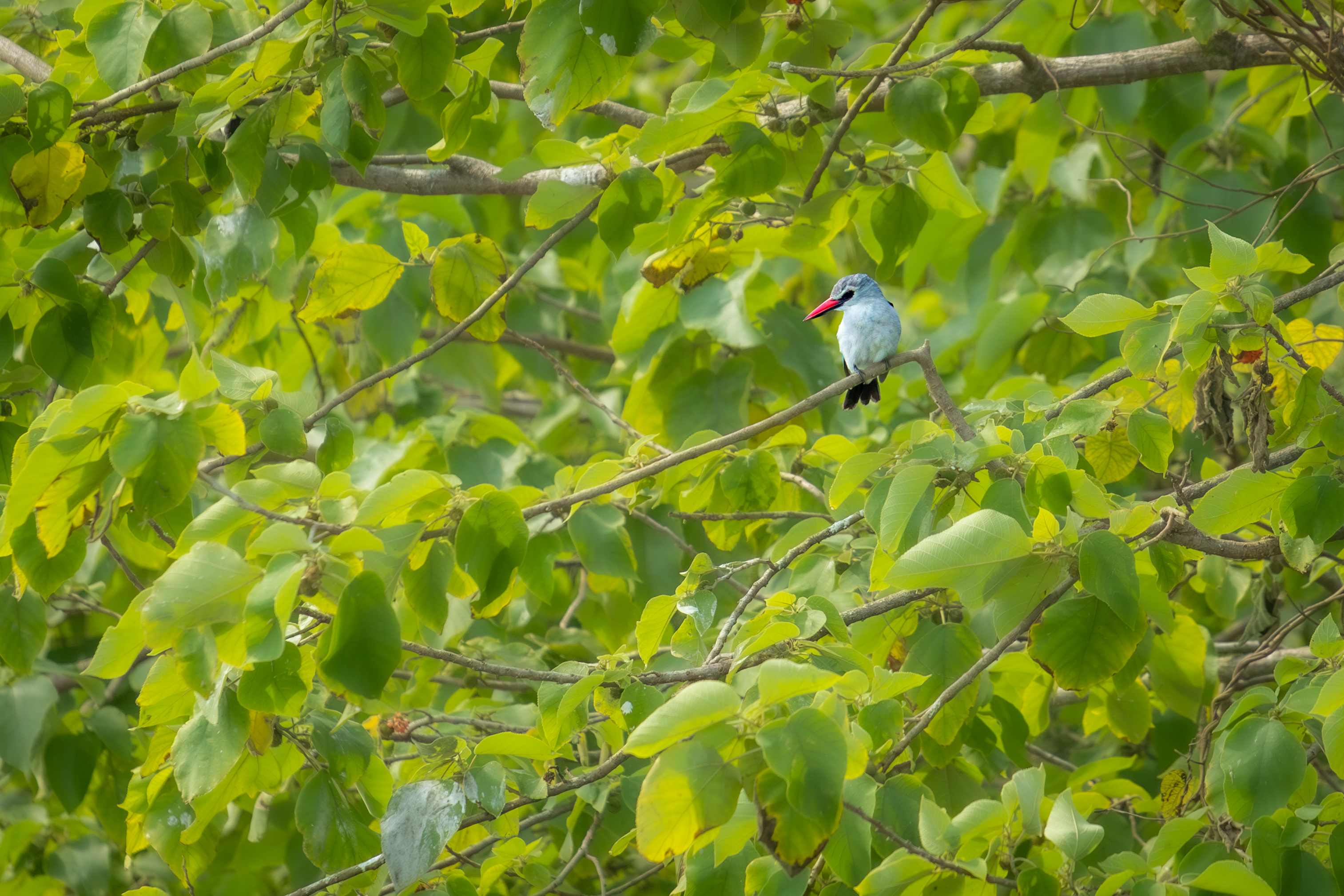
Our first stop was the Jinja Sailing Club, where we embarked on our first boat tour of the trip. As the only one with a camera, I got the best seat. It was a high chair at the front of the boat—perfect for taking photos.


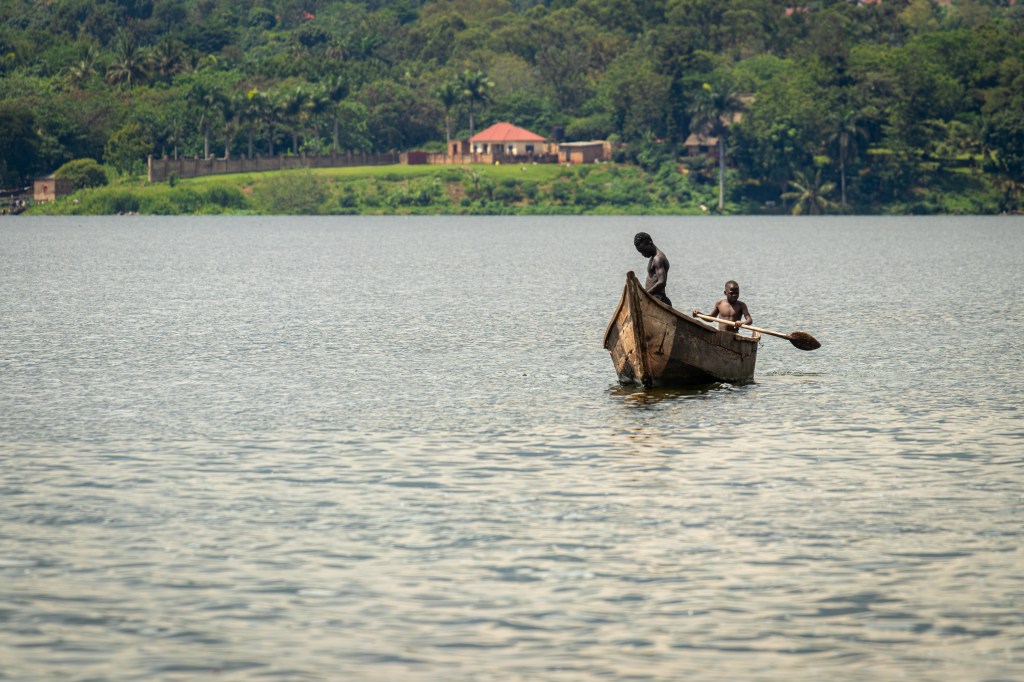
While I can’t say for sure that my photos captured the views perfectly, I fully enjoyed the experience!




Dec 27: Day 3 – Ziwa Rhino Sanctuary and Murchison Falls
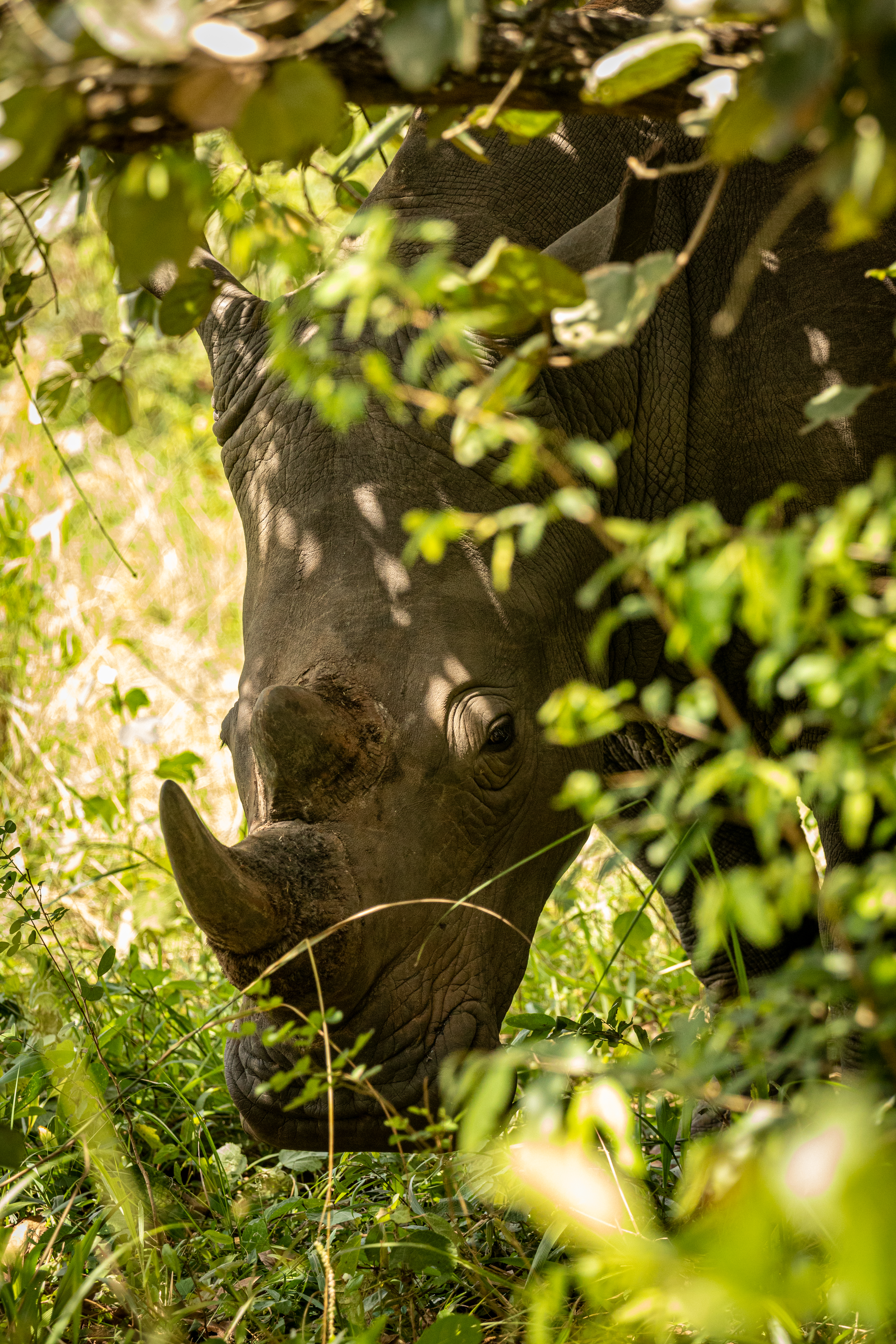
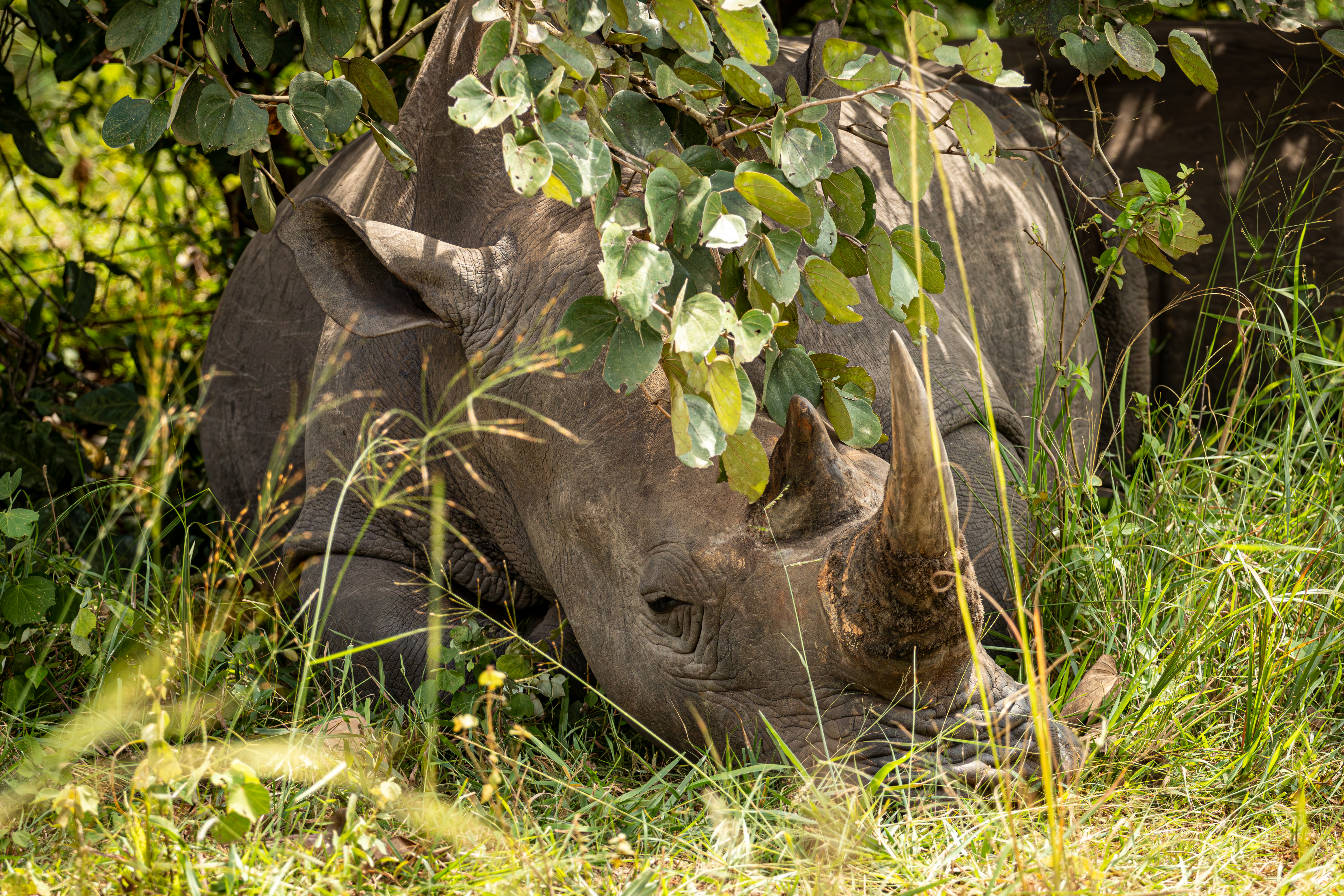
First, we went to the Ziwa Rhino Sanctuary. We were instructed on how to behave in the sanctuary. The ranger explained what to do if a rhino starts running toward you. Don’t try to run away—it’s faster than you! Instead, find a bush and hide. Rhinos have poor frontal vision and rely on smell and hearing to navigate. With these tips in mind, we headed into the sanctuary with our ranger.
We spotted a group of rhinos relaxing under a tree almost instantly. As I later described it to a friend:
Three rhinos lying down, one standing and trying to hold up a tree with its head. Then it broke a branch off the tree, got a bit annoyed. It went back to holding the tree with its head. Eventually, it gave up, lay down, farted, and barely moved after that. So in the end, four rhinos were lying down.
Meanwhile, about 15 of us walked around trying to take photos of them.
It was lovely!
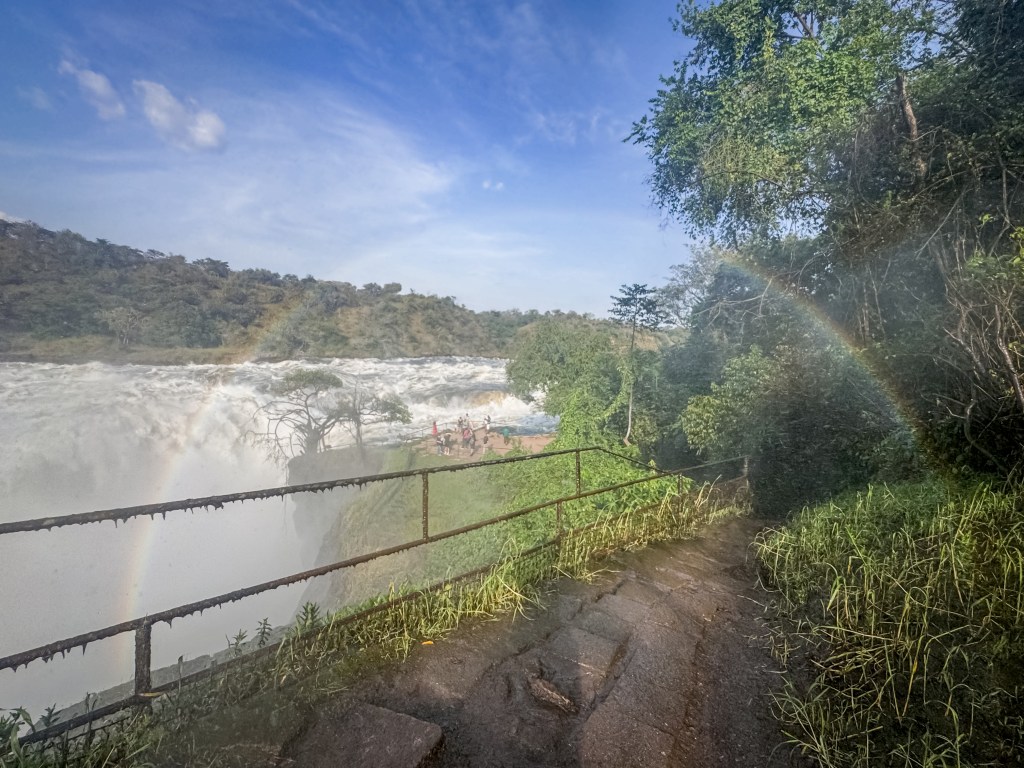
After visiting the rhinos, we continued to Murchison Falls National Park. Upon arrival, we completed the necessary registration. Don’t worry—your guide handles the paperwork for you. Then we headed to the falls themselves.
Murchison Falls, as we discovered, is the most powerful waterfall in the world! John sent us up close to the falls, and we quickly understood what that meant. Although we’ve seen taller and wider waterfalls before, this one was an entirely different experience. The powerful water soaked us within moments. It was impossible to take photos with my camera! Every time I dried it off, it was instantly covered in droplets again.
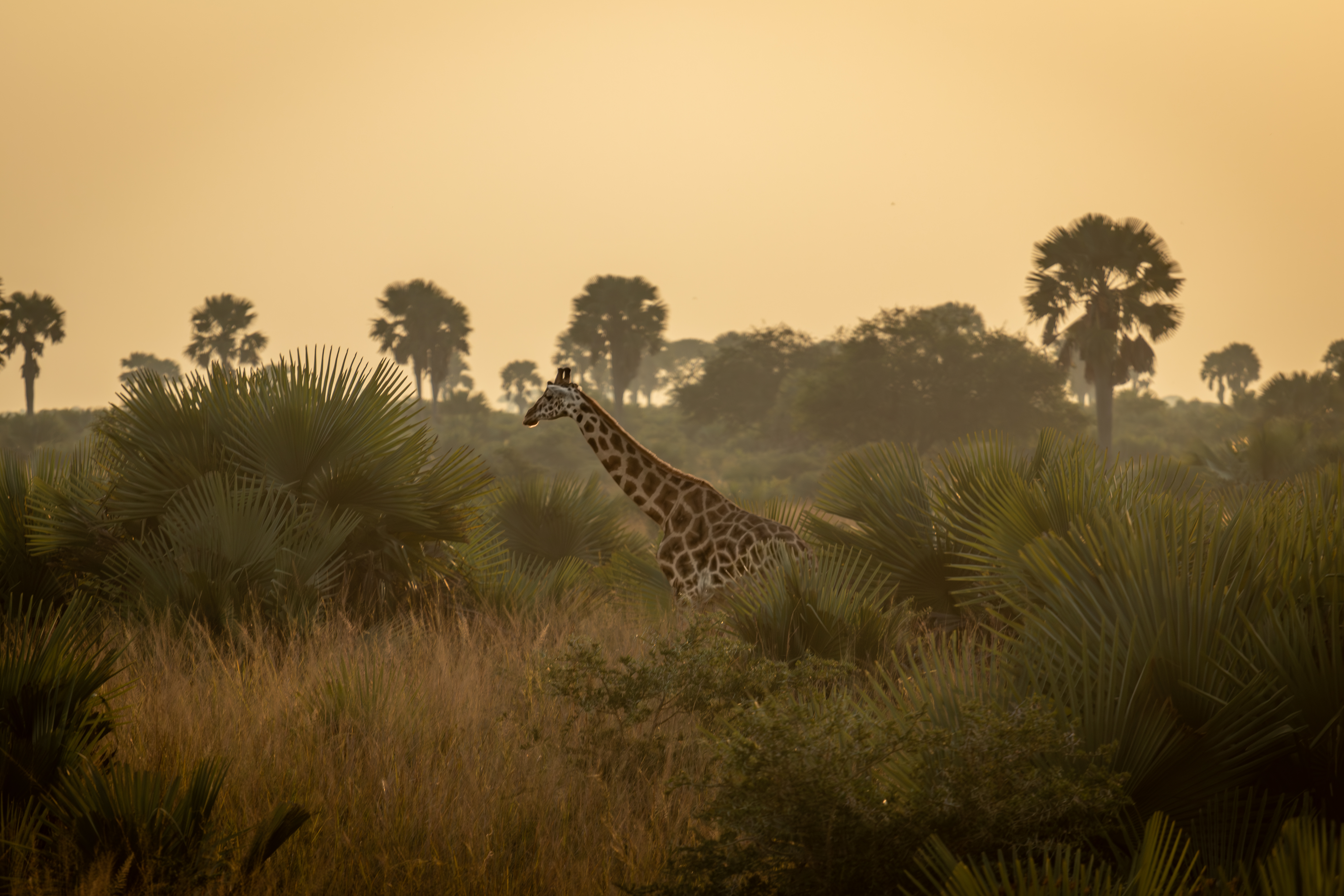
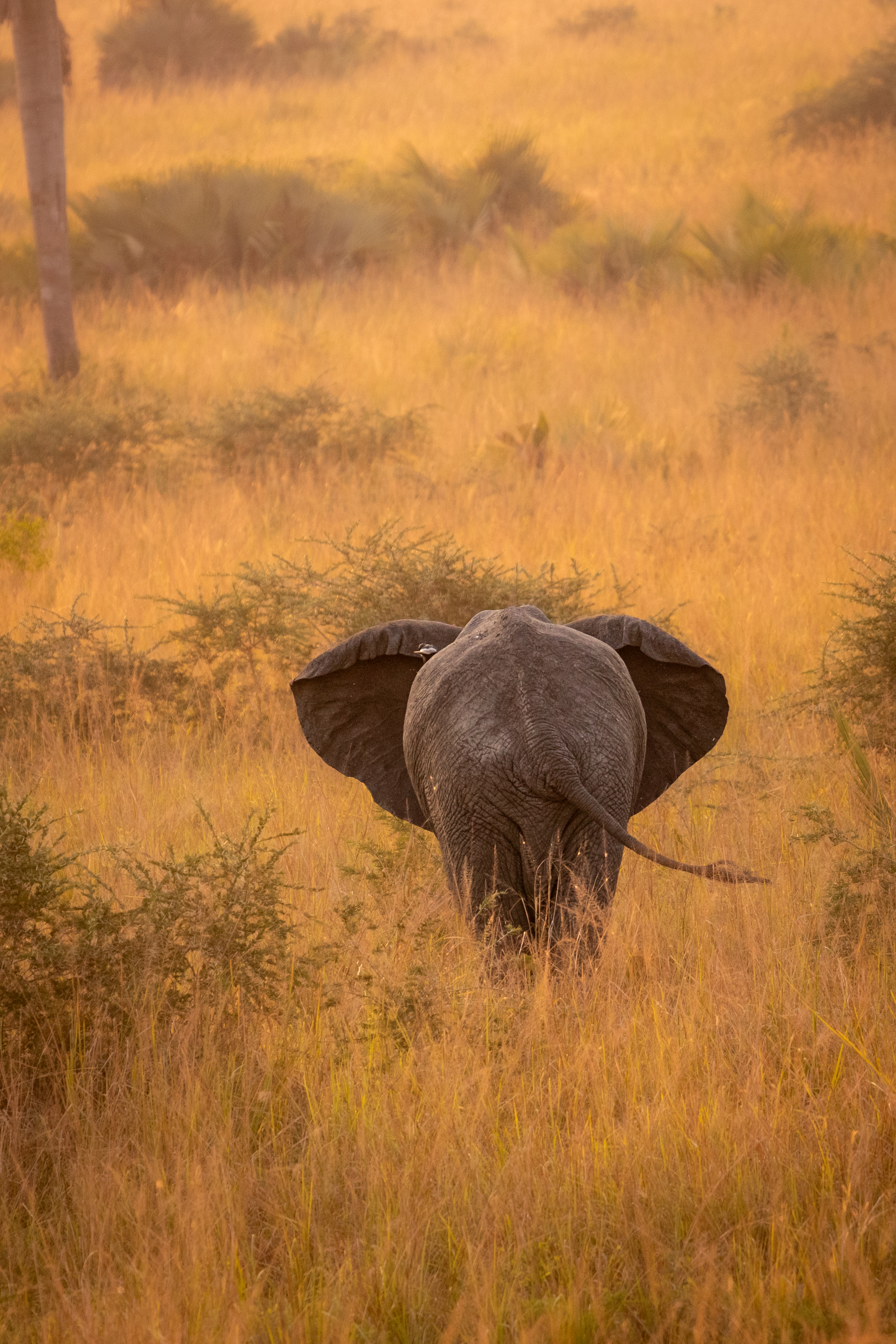
After leaving the falls, we headed toward our lodge, driving through the entirety of Murchison Falls National Park. Even along the main road, we were treated to sightings of various animals and breathtaking sunset landscapes. It was an incredible introduction to the park’s vibrant wildlife and stunning landscapes.


Dec 28: Day 4 – Game Drive and Boat Trip in Murchison Falls NP
This was my favorite day! We woke up early to go on the most impressive experience of the entire trip—a game drive. John raised the roof of our jeep so we could have a better view of everything happening around us. And we headed into the park. This time, we weren’t limited to the main road but explored more hidden paths.
During the game drive, you move through the savanna and try to spot animals. Once you see something, you call it out to the others. Your guide explains what animal it is, and sometimes you stop to watch and take pictures. The trekking experiences we did later were also fantastic, but there’s something thrilling about the element of play. Game drives are unpredictable. It’s absolutely hilarious and exciting to scan the savanna and discover wildlife as you go.
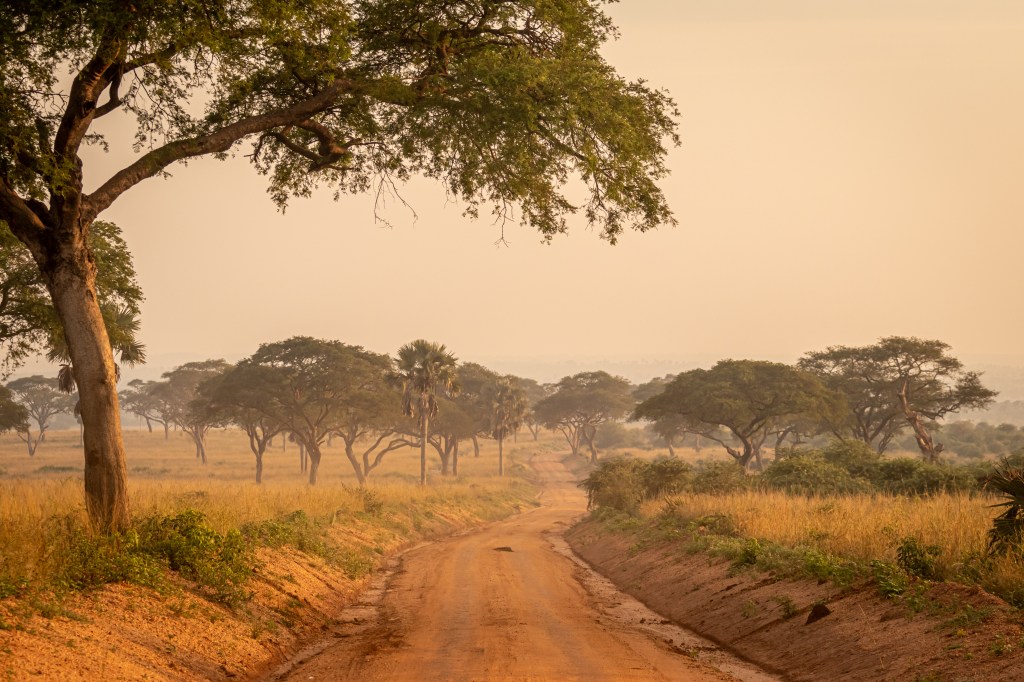
As I said before, we started early in the morning and managed witness amazing golden landscapes.


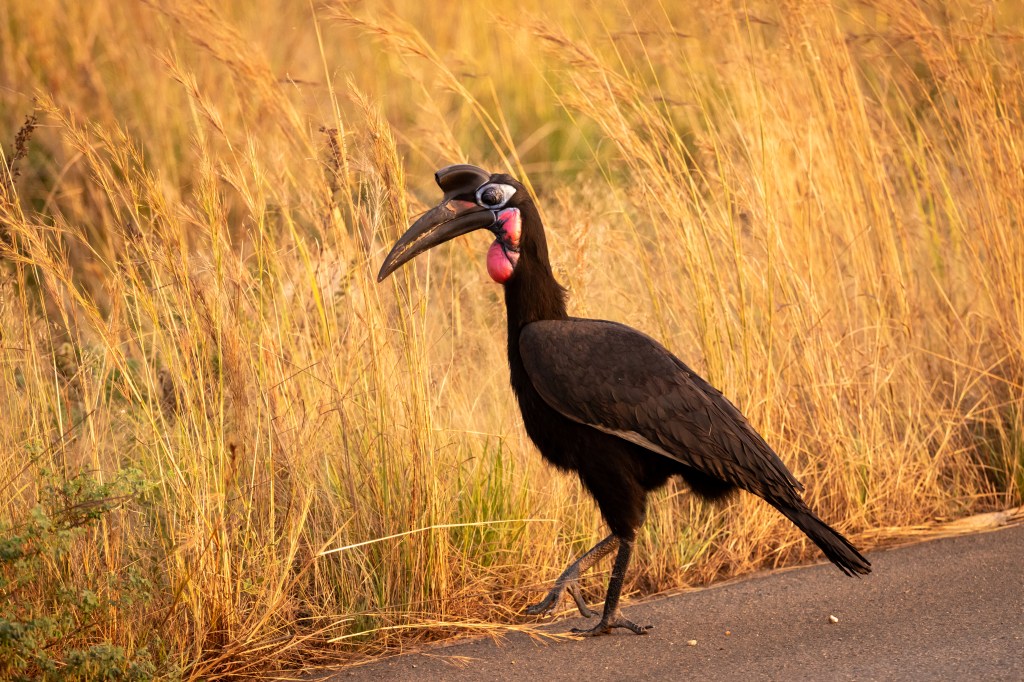
First, we met a group of ground hornbills, or as I like to call it, “Robobird” — just look! It definitely looks artificial!
Then, we came across an elephant family plastered with birds. Bugs on big animals are a good source of food for them.


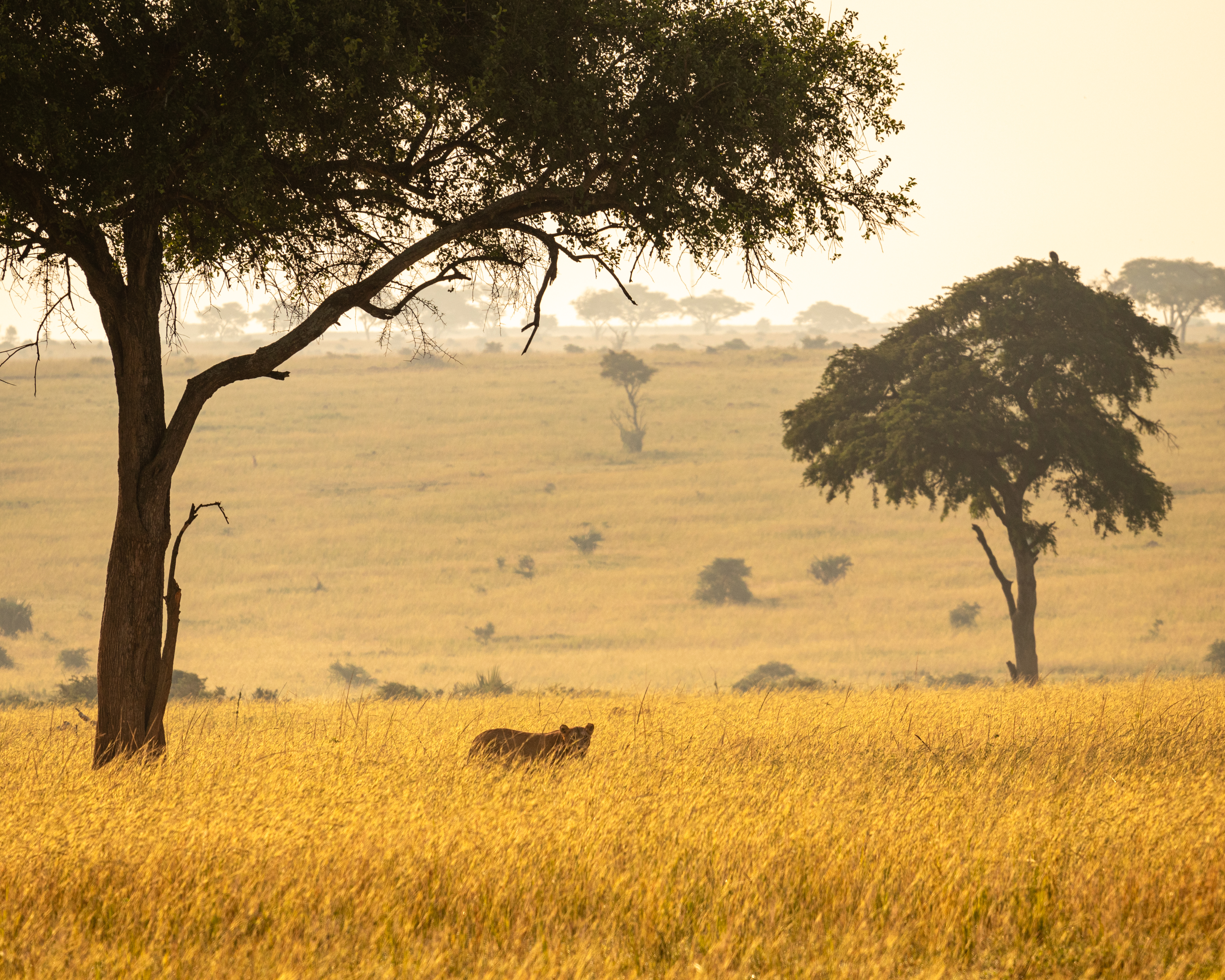
In another part of the park, we found a lot of tourist cars grouped near a large field. Apparently, they were all watching a lion walking far away in the grass.

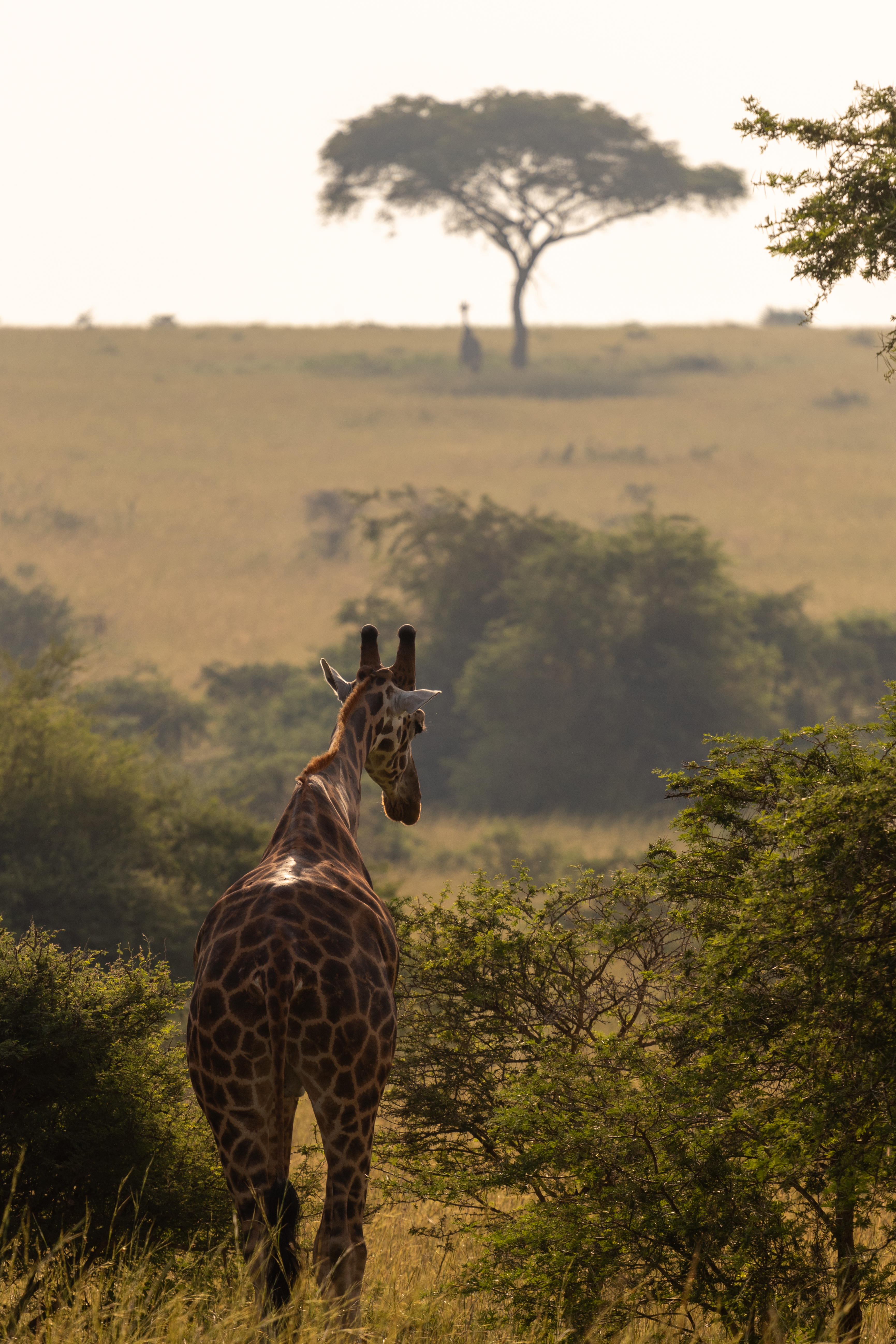
A day before, John asked us what animal we’d like to see the most. We had no answer at the time. By the end of our trip, we both agreed that giraffes were probably the most fascinating animals to watch.


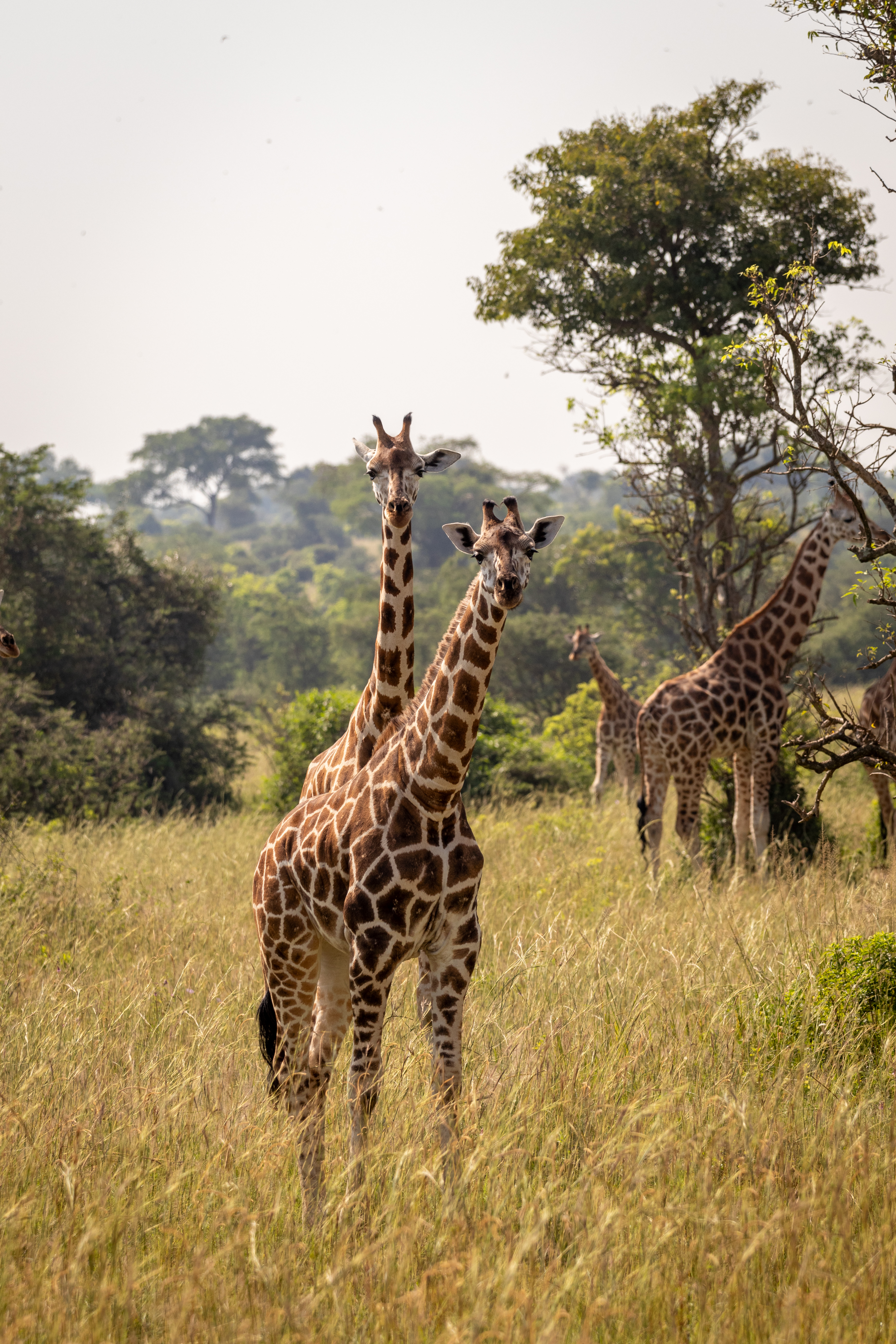
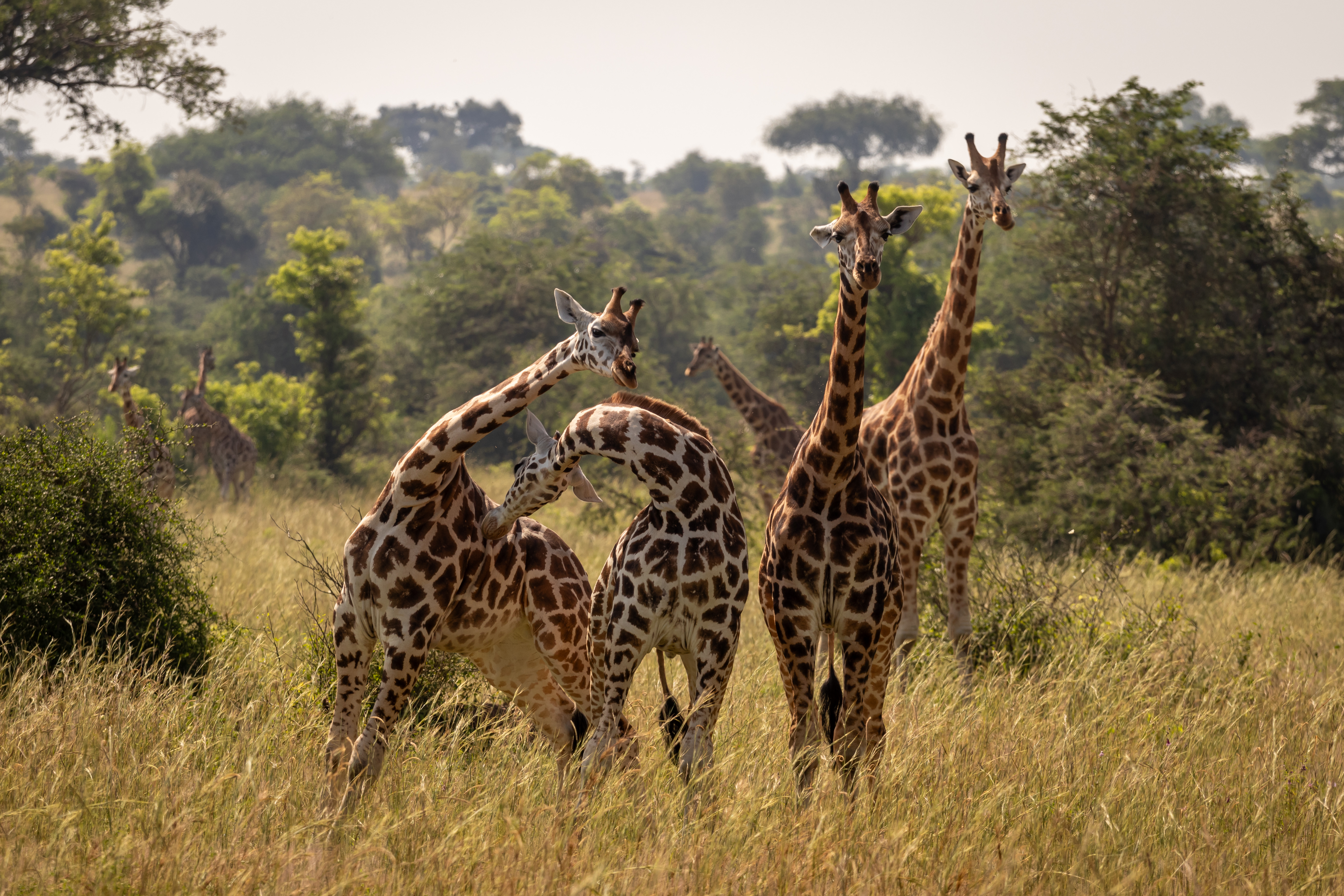
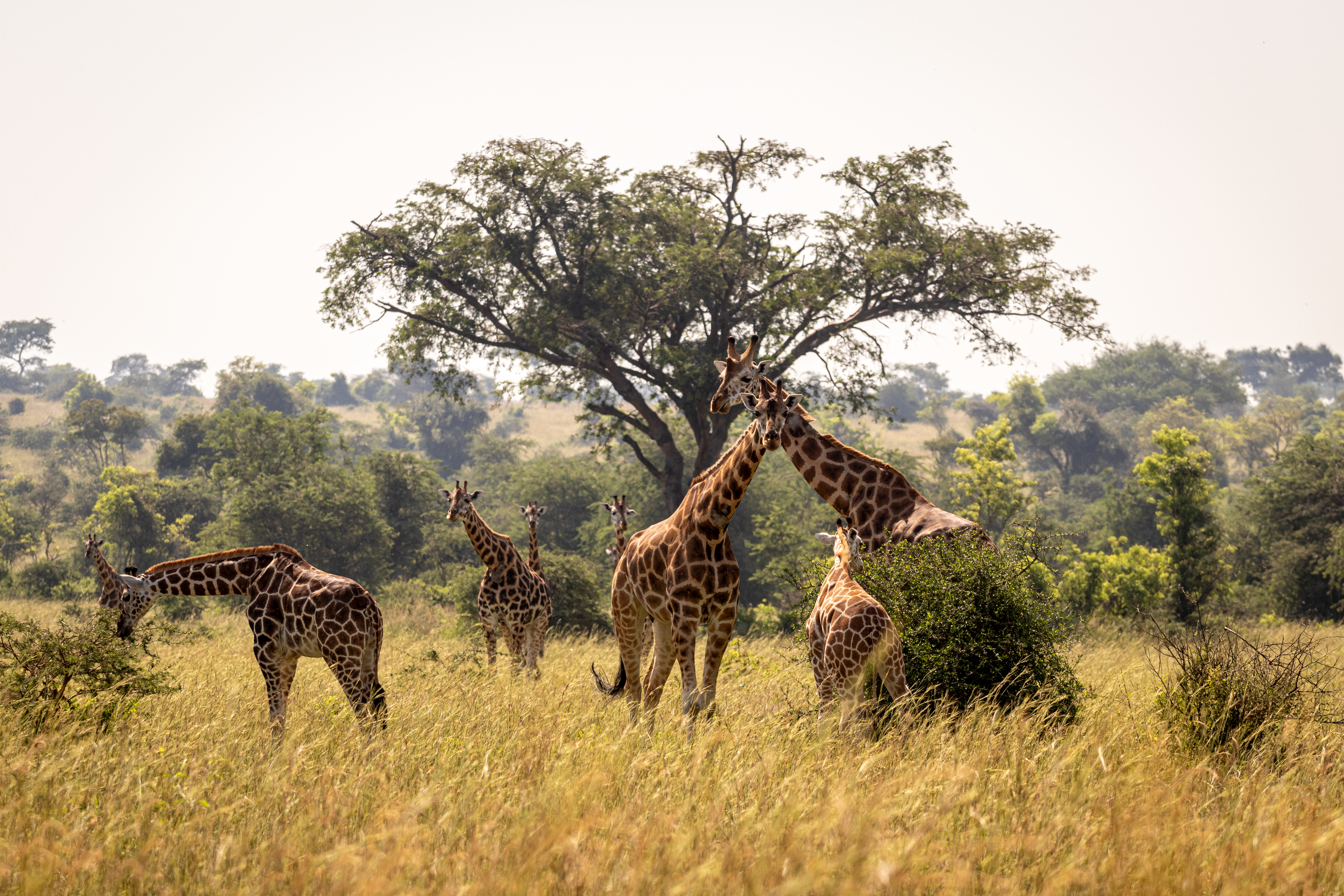
As we continued moving, John suddenly stopped under a tree and said, “Watch the tree!” And there it was—a leopard! It was so close, and I still have no idea how John managed to spot it on the branches. Even he seemed surprised by his own sharp eyes!

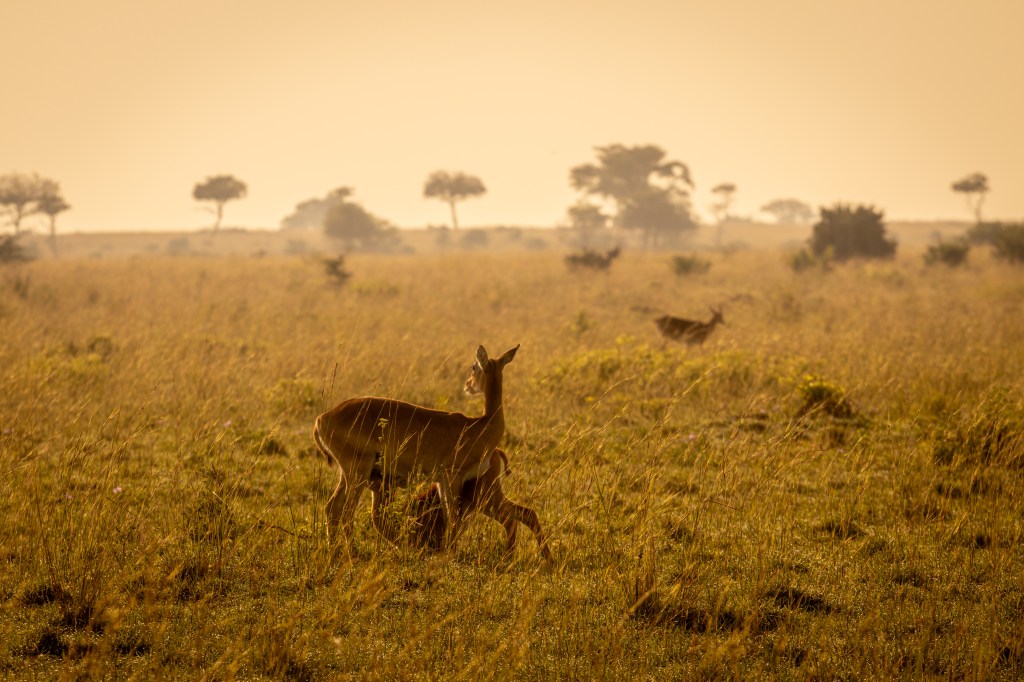
Of course, we also saw a lot of antelopes. John named them all, though I only remember waterbucks and bushbucks and can’t quite recall which is which.



And we even found a puddle with a buffalo and a hippo taking a bath!


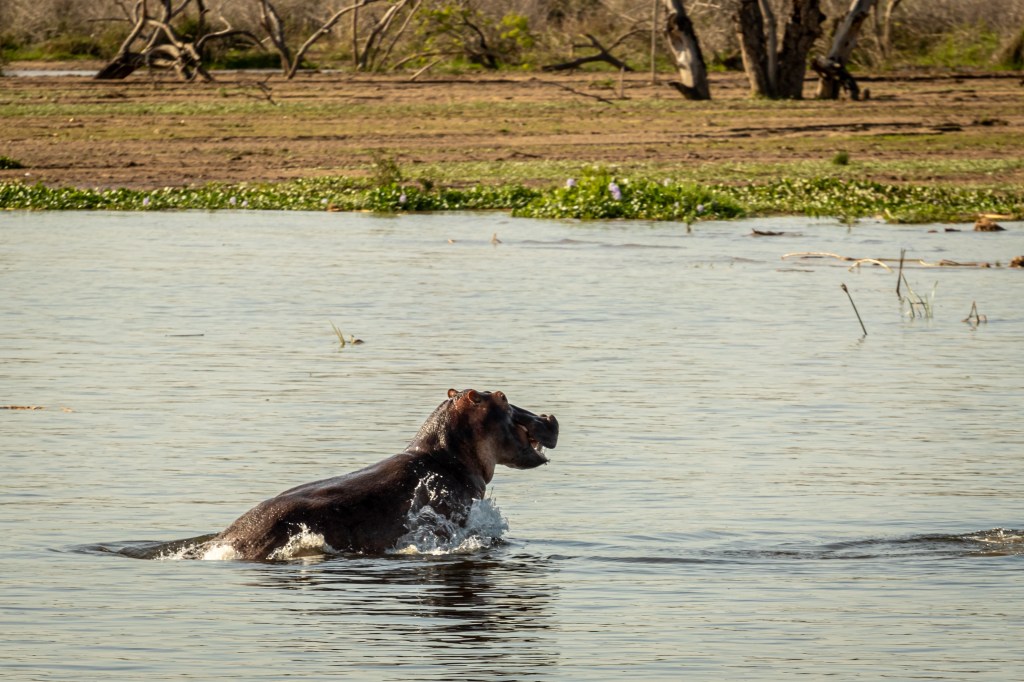
After lunch, we went on another boat trip, this time to Murchison Falls. On the way there, we stayed close to the shore and enjoyed watching birds, hippos, and crocodiles.
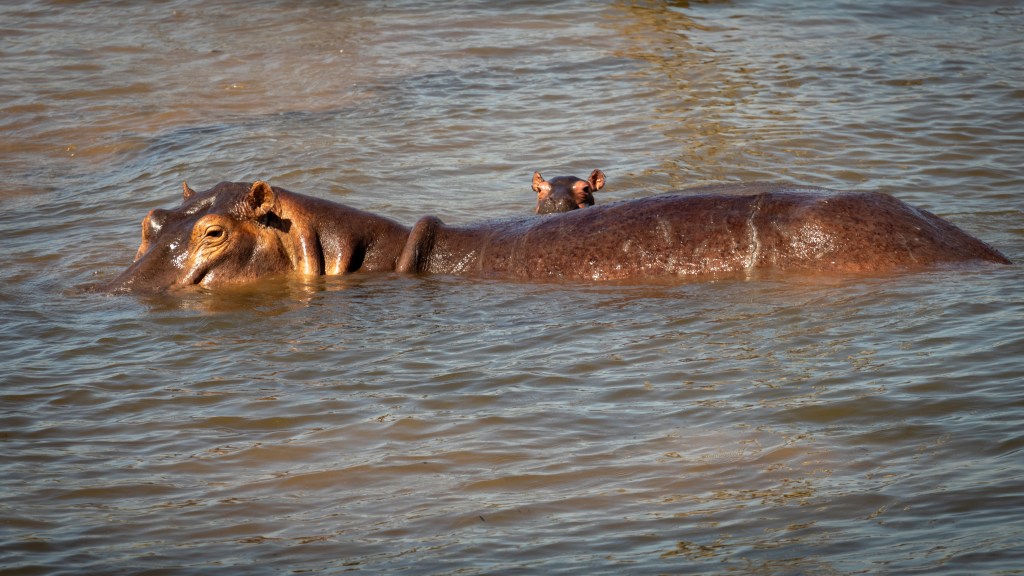
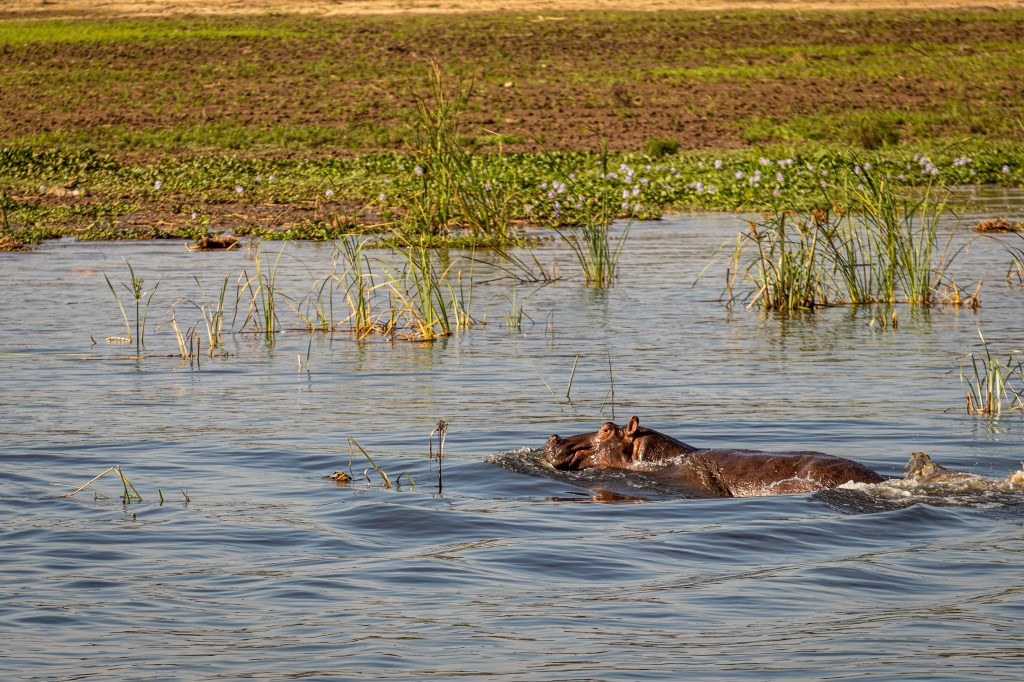
Hippos are one of the creatures in the savanna that amazed me the most. They seemed totally different compared to those in zoos. And did you know they don’t swim but walk or run along the bottom of the river? Fascinating!
The waterfall didn’t impress me as much from this point of view, maybe because we stayed quite far from it. Though the tree covered with birds in the foreground added a unique twist.

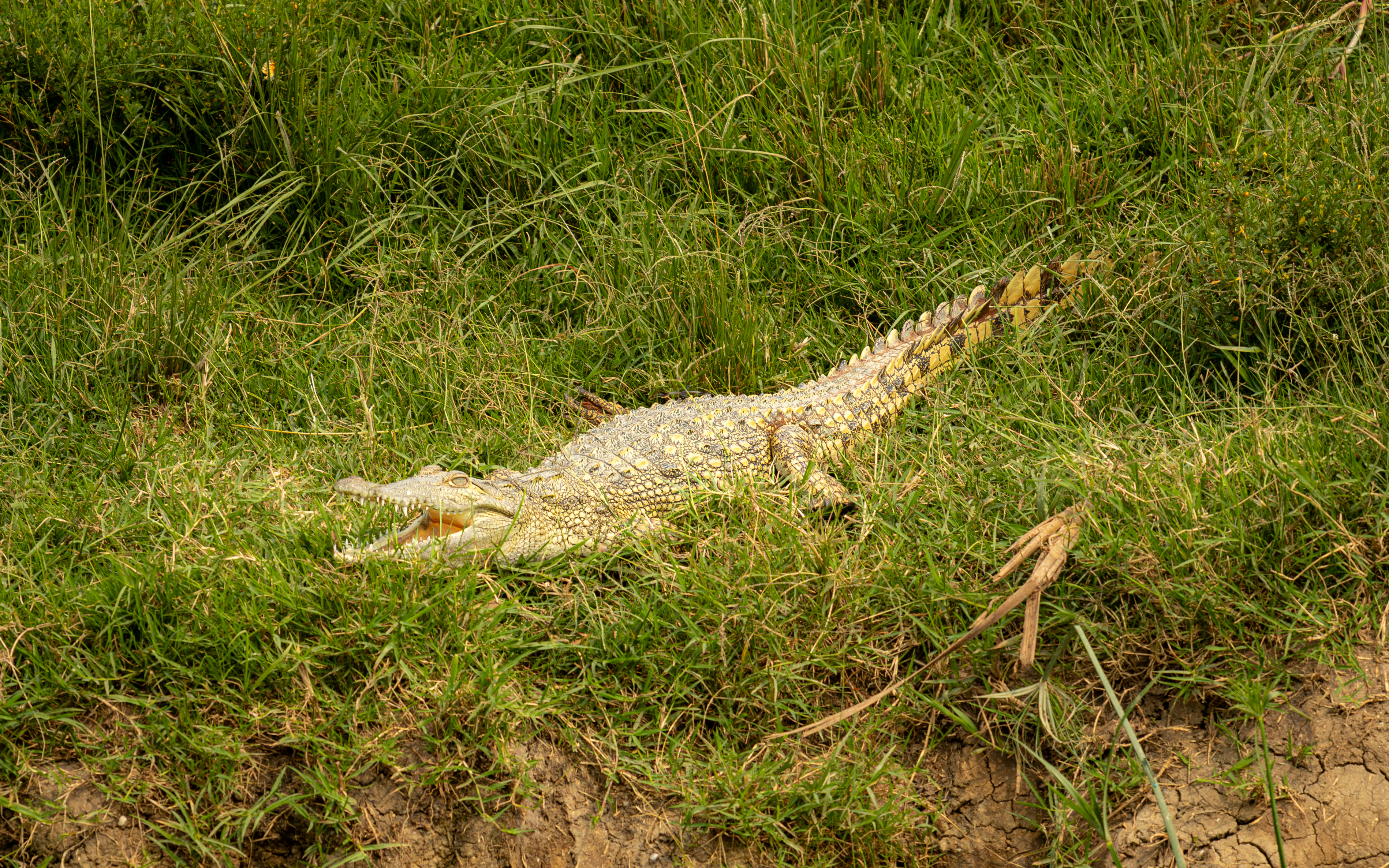
Crocodiles lying on the ground with open mouths looked like stuffed ones. I have to admit they were pretty fast. Once they started moving, they were in the water before we knew it.


Dec 29: Day 5 – Travel and Coffee Experience
This day was dedicated to a long drive to Kibale National Park. We crossed Murchison Falls National Park for the last time on our trip. We occasionally stopped to take final pictures of the animals we encountered.


In the evening, we went on a community walk in Bigodi with a local tour guide, Rose. She shared stories about the community’s way of life and the challenges they face, especially with children’s education. Education is incredibly expensive for many families here. Children often have to work or act to earn money for school fees.
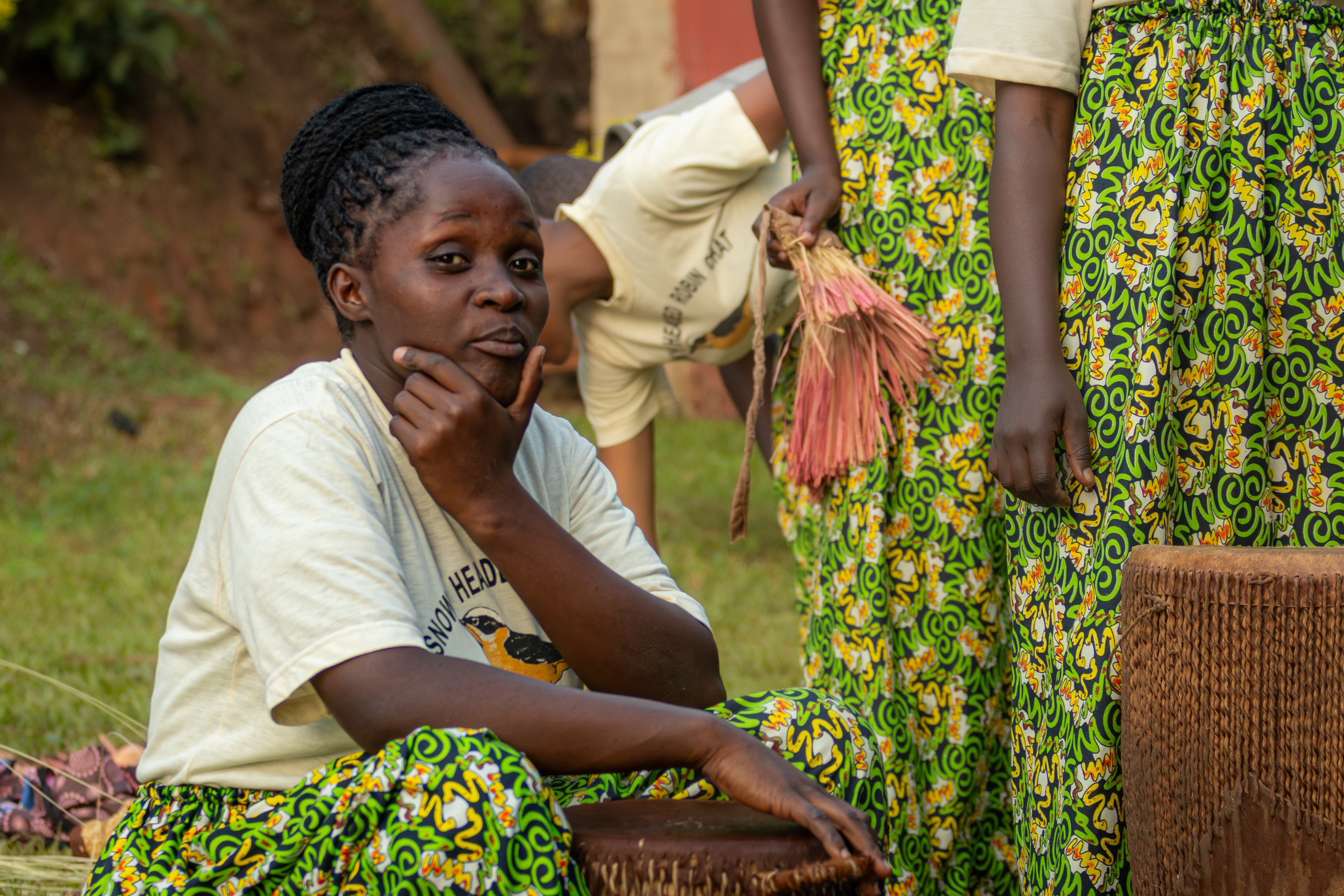


During the walk, Rose showed us how coffee beans grow. And a local girl demonstrated the entire coffee-making process. She took us from green beans to a cup of freshly brewed coffee. I even had my third cup of coffee in 2024! Check out my reel showing the process ☕️
We finished the walk at the Banana Man’s garden. There Banana Man himself prepared fresh banana juice for us (not a smoothie, but juice!) and even let us taste banana beer.
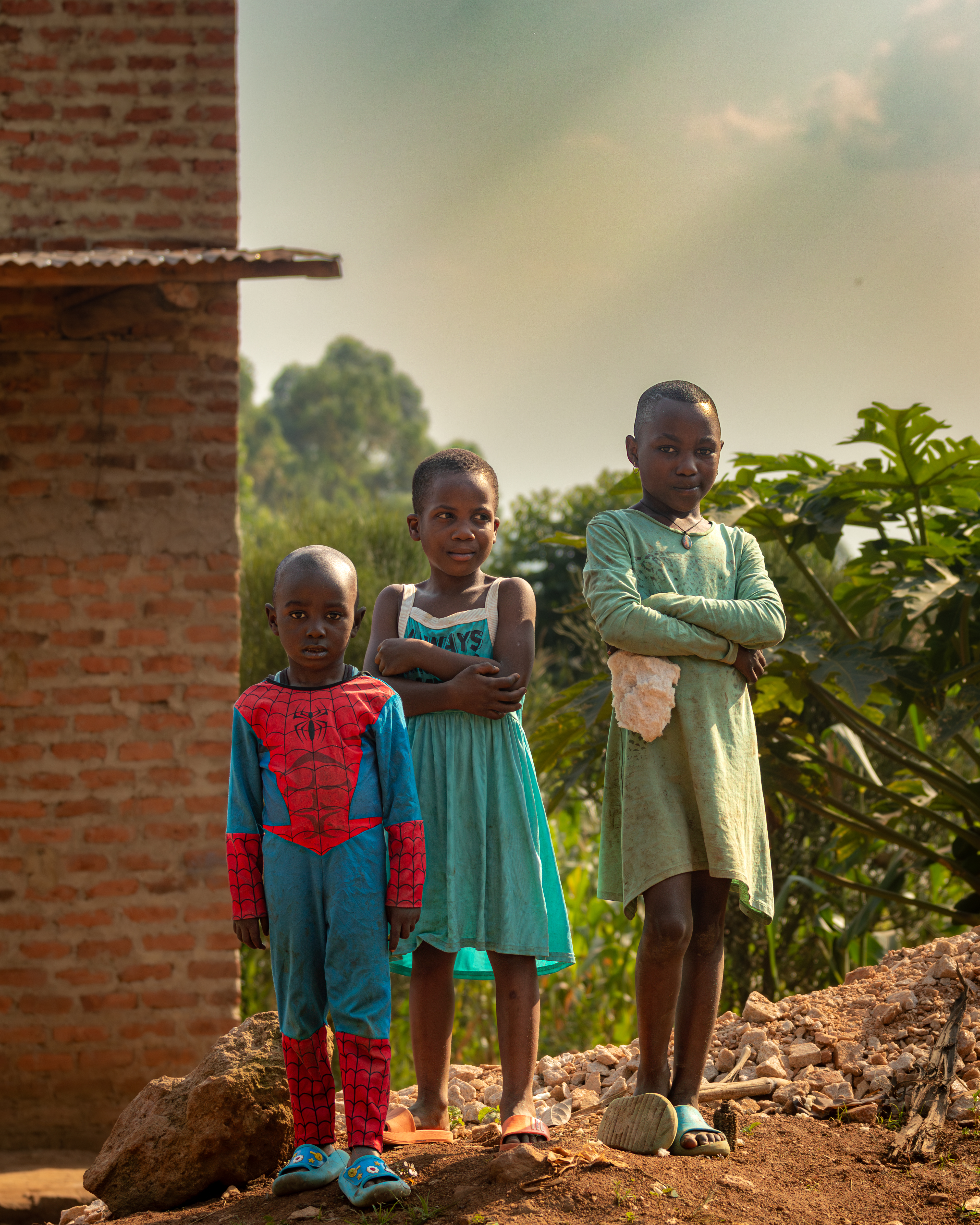
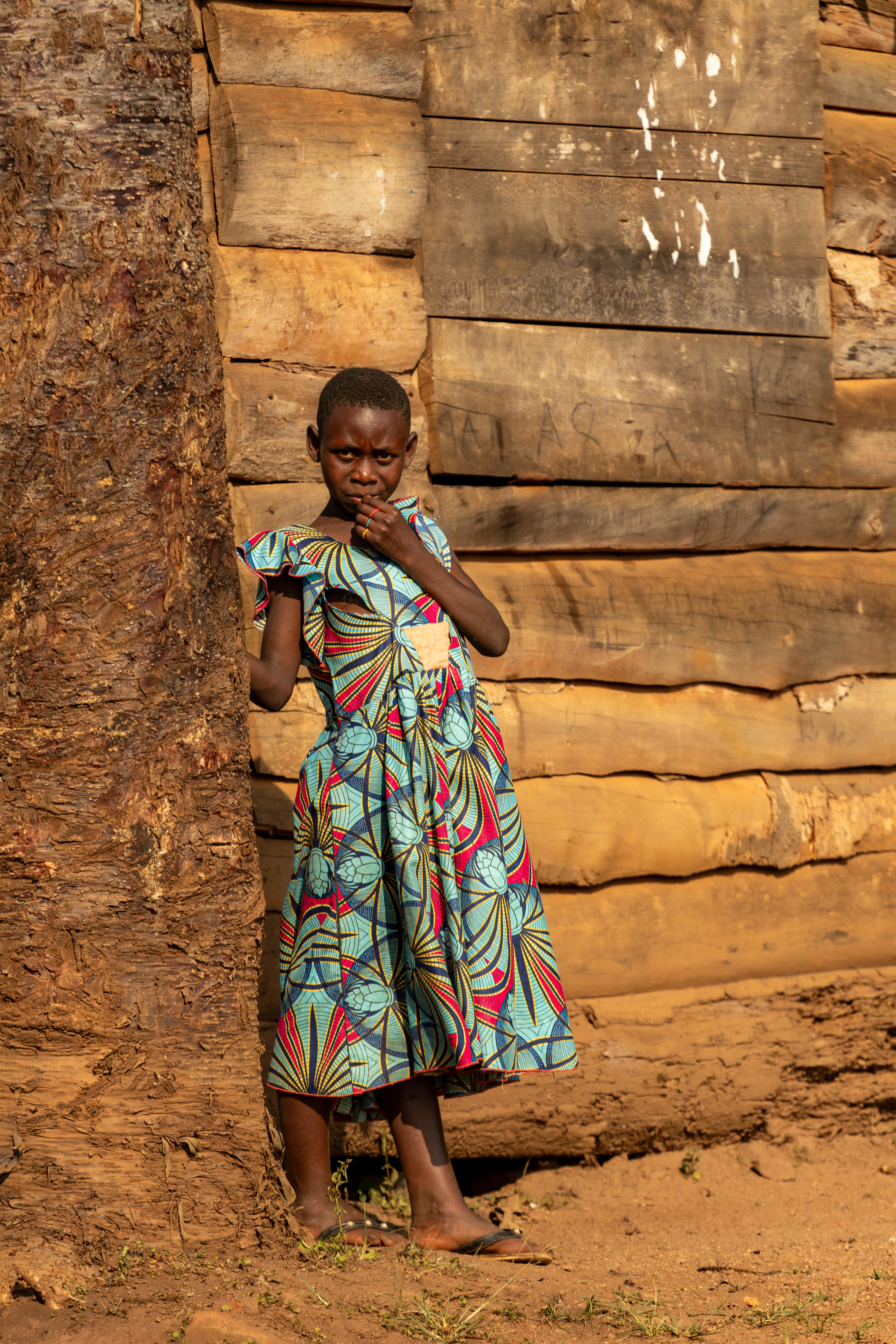
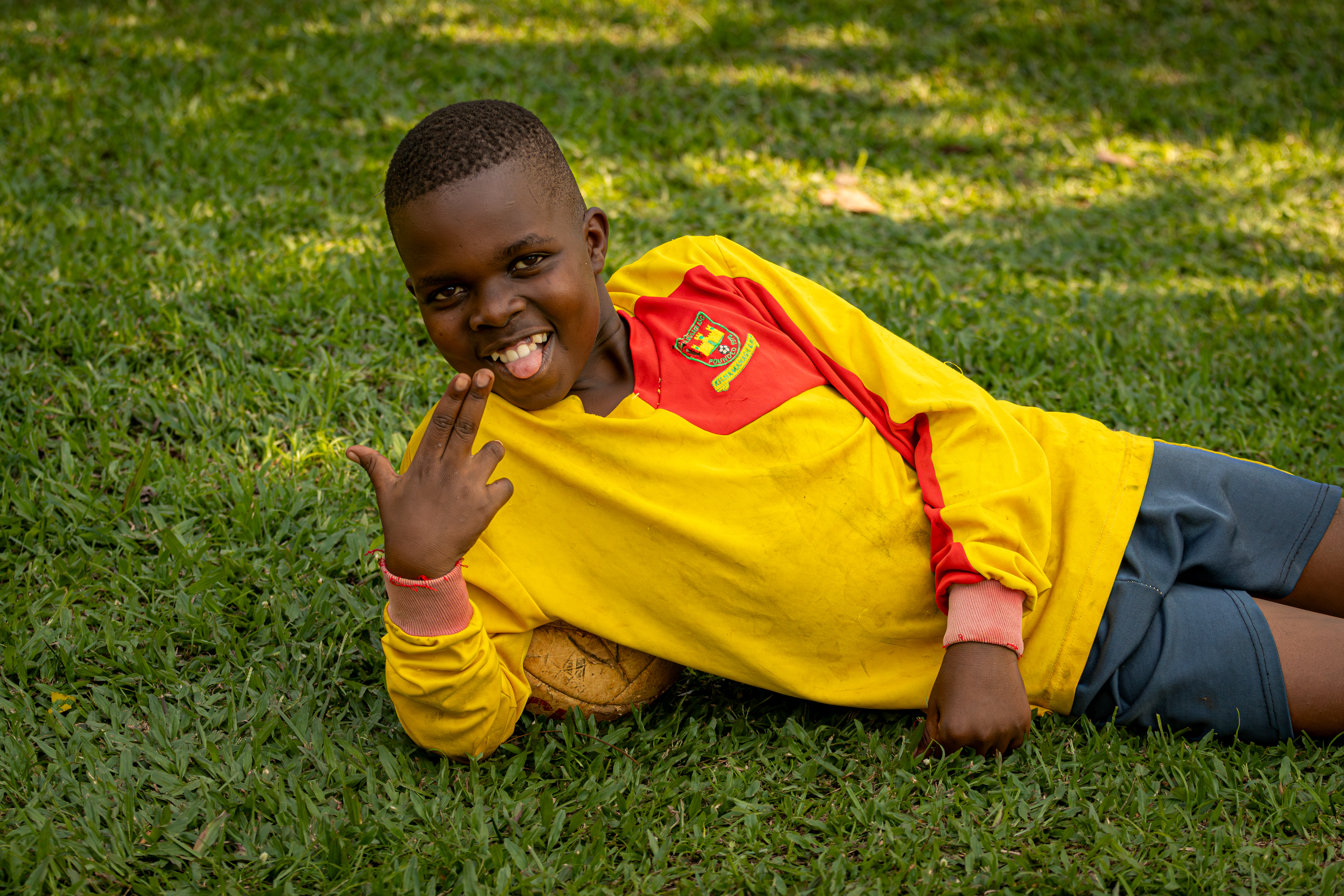
It also appeared children were waiting for me to take photos of them. After that, they looked at the result and left contented.



Dec 30: Day 6 – Swamp Walk and Chimpanzee Trekking
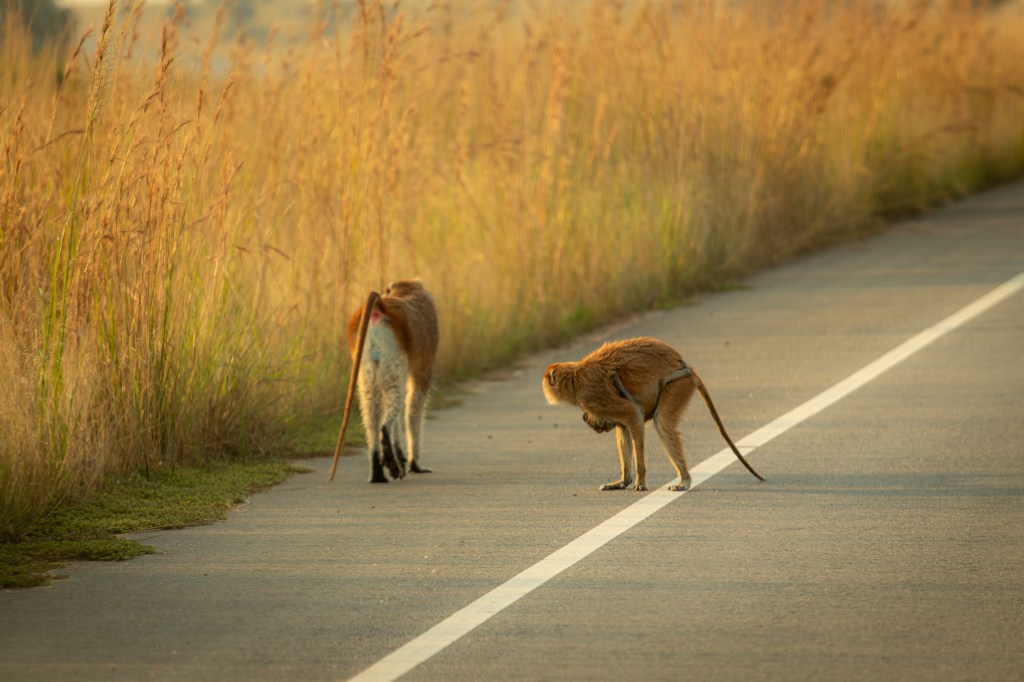
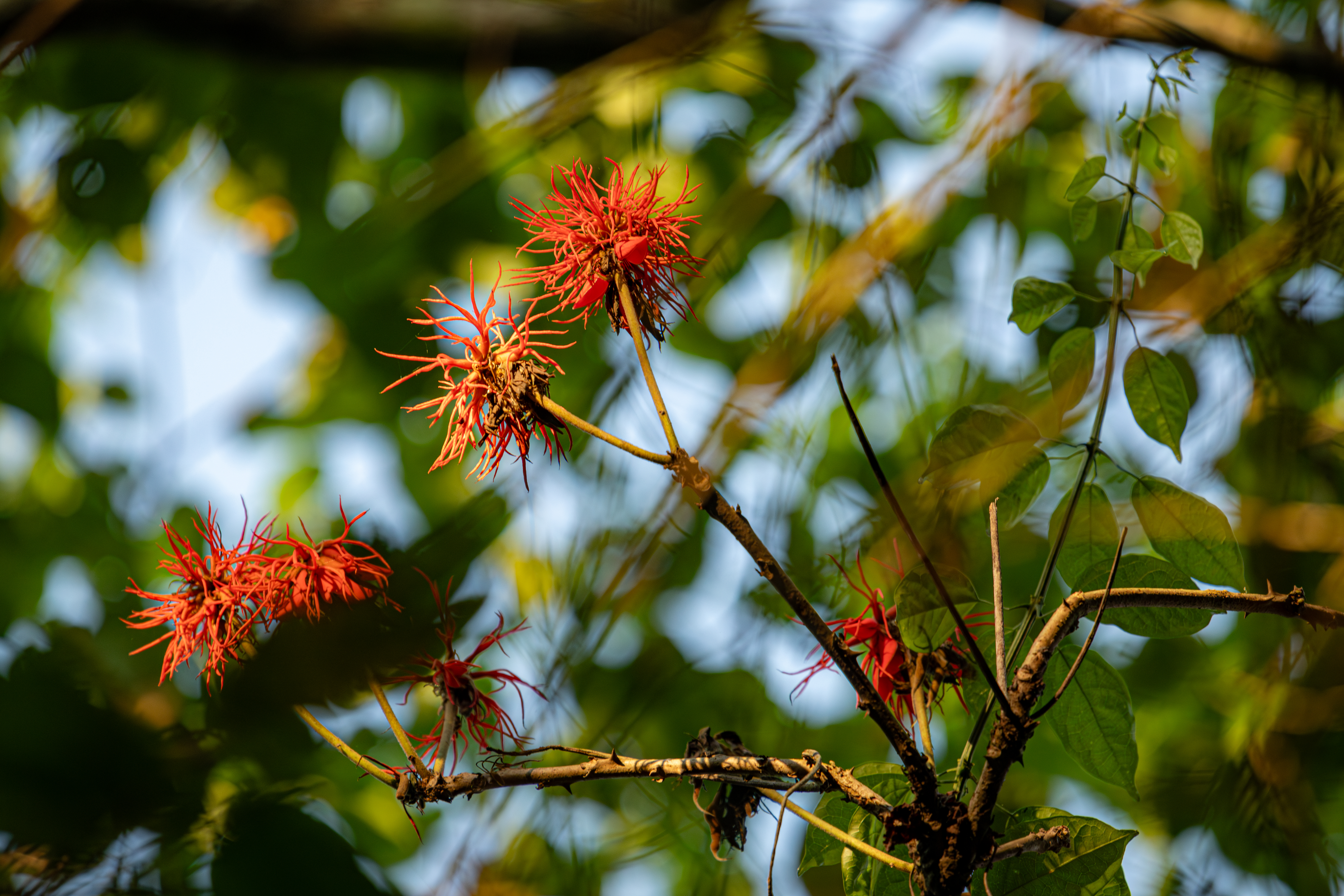
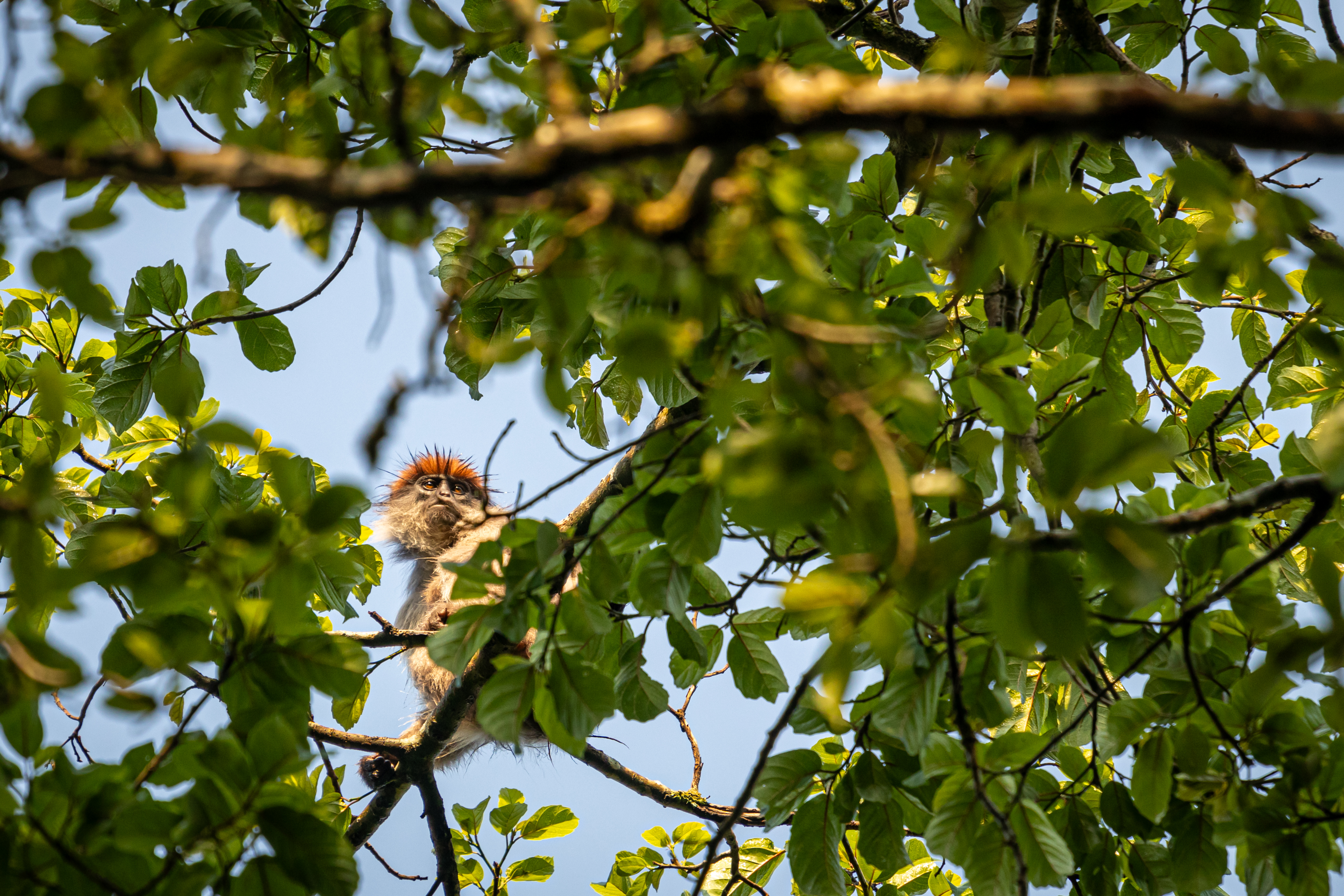
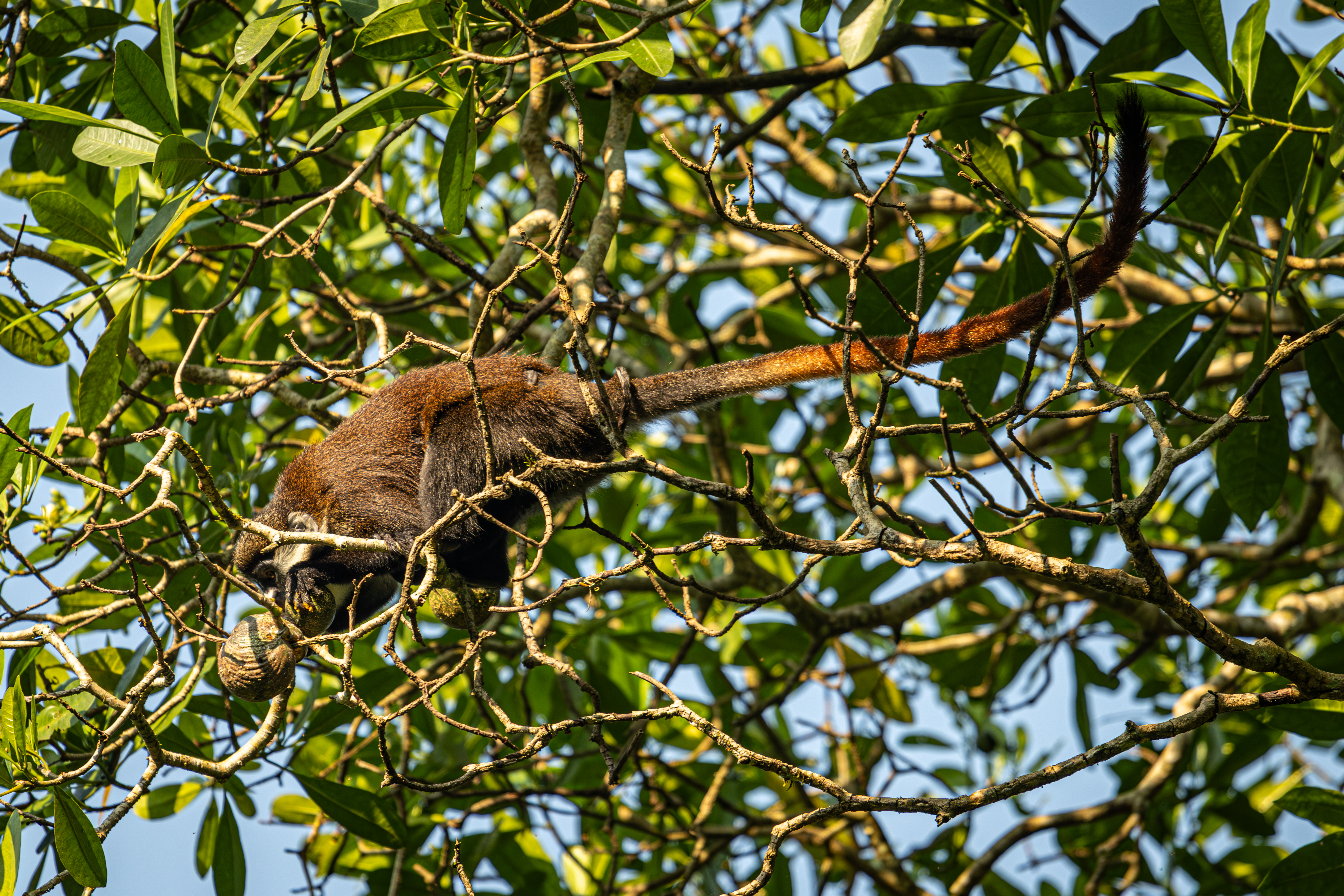
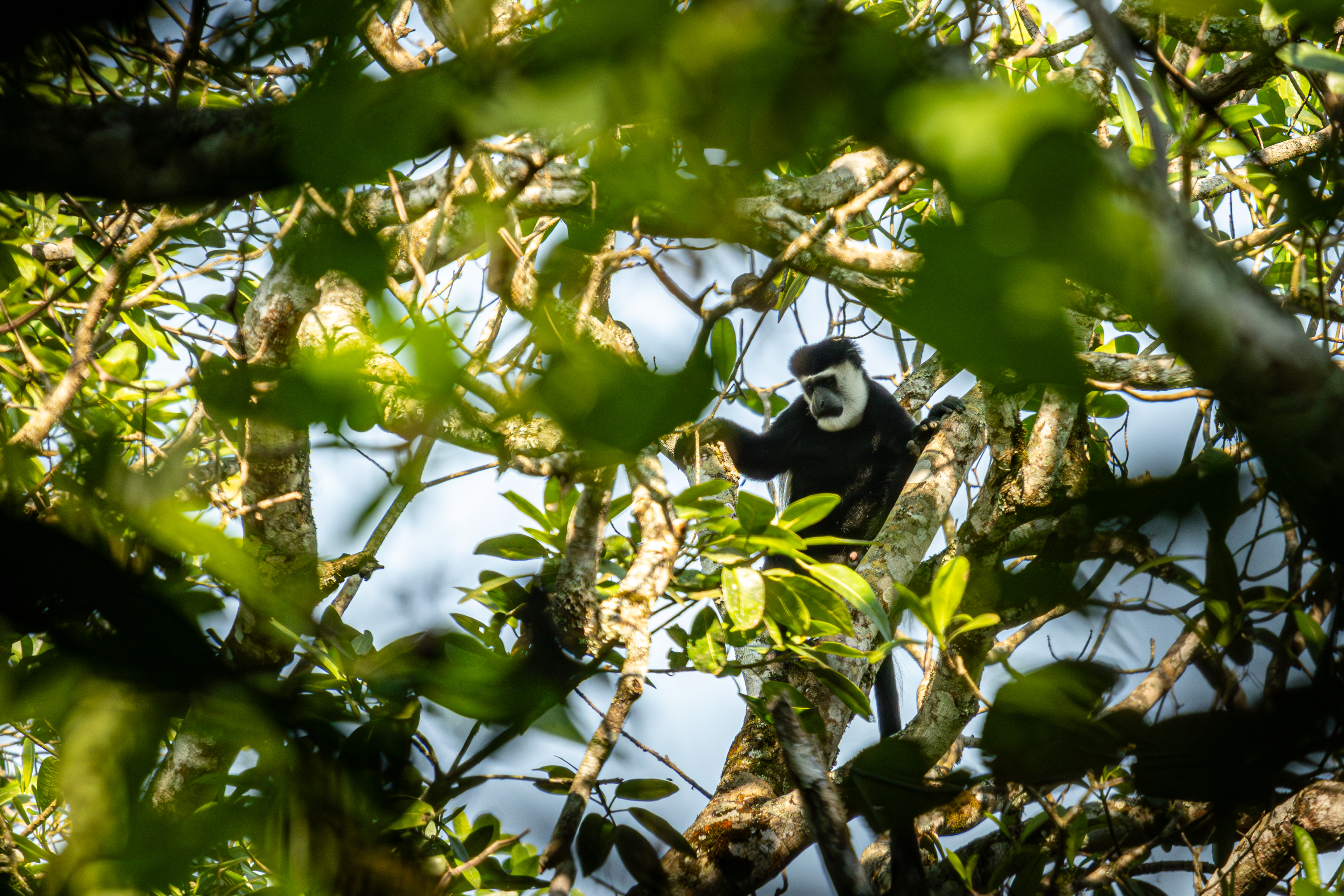
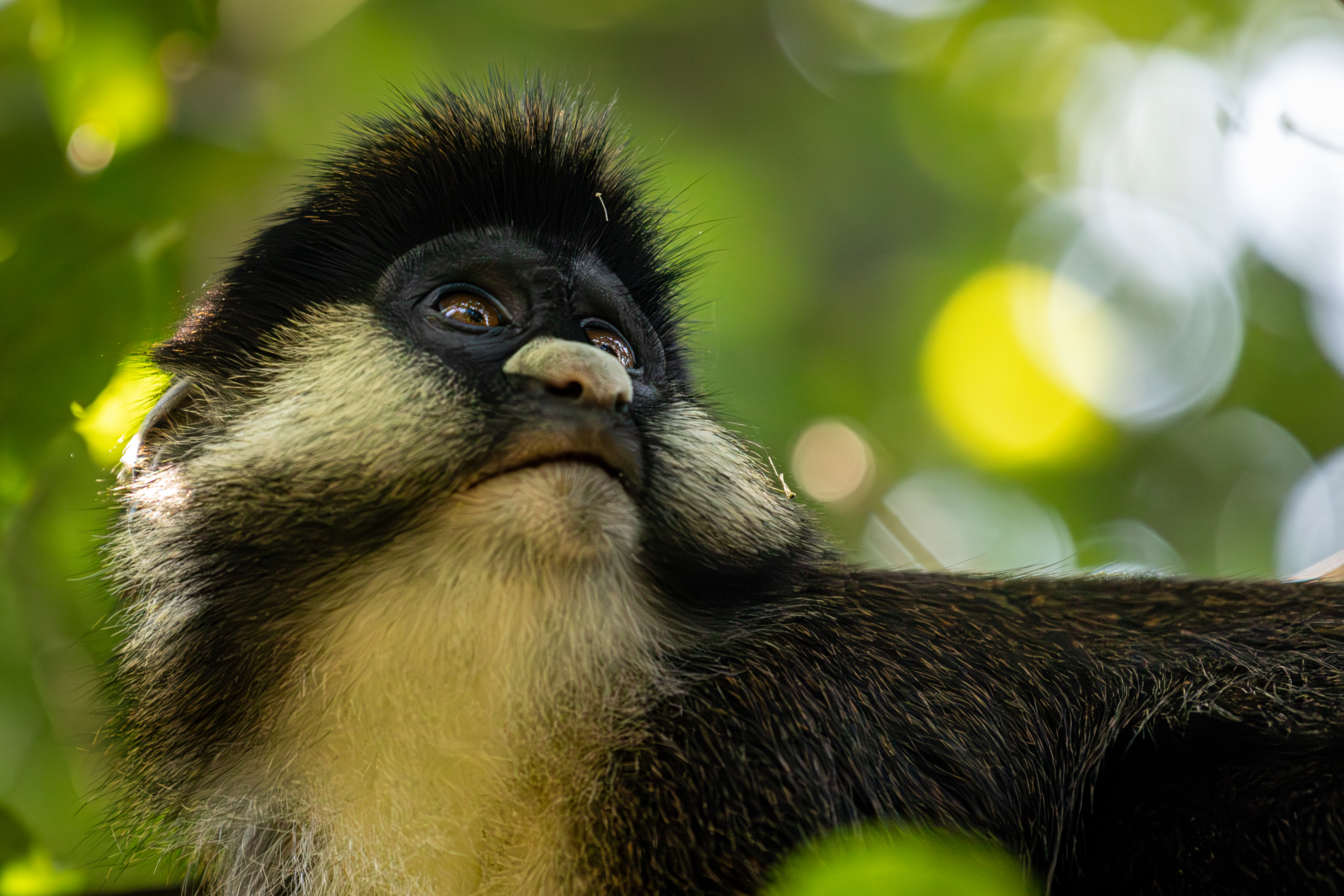
The plan for this day was to go to a chimpanzee trekking and then move to Queen Elizabeth National Park. We were told to wear proper attire: long sleeves, pant legs, sturdy shoes, gloves, a hat, and even face masks. When we arrived at the park, we learned that our trekking had been moved to the afternoon. This change was due to the number of groups signed up that day. So, we went back to Bigodi for one more walk with Rose—a swamp walk. It was also a kind of trekking. We searched for monkeys and listened to Rose’s stories about the flora and fauna of the area. 🙂




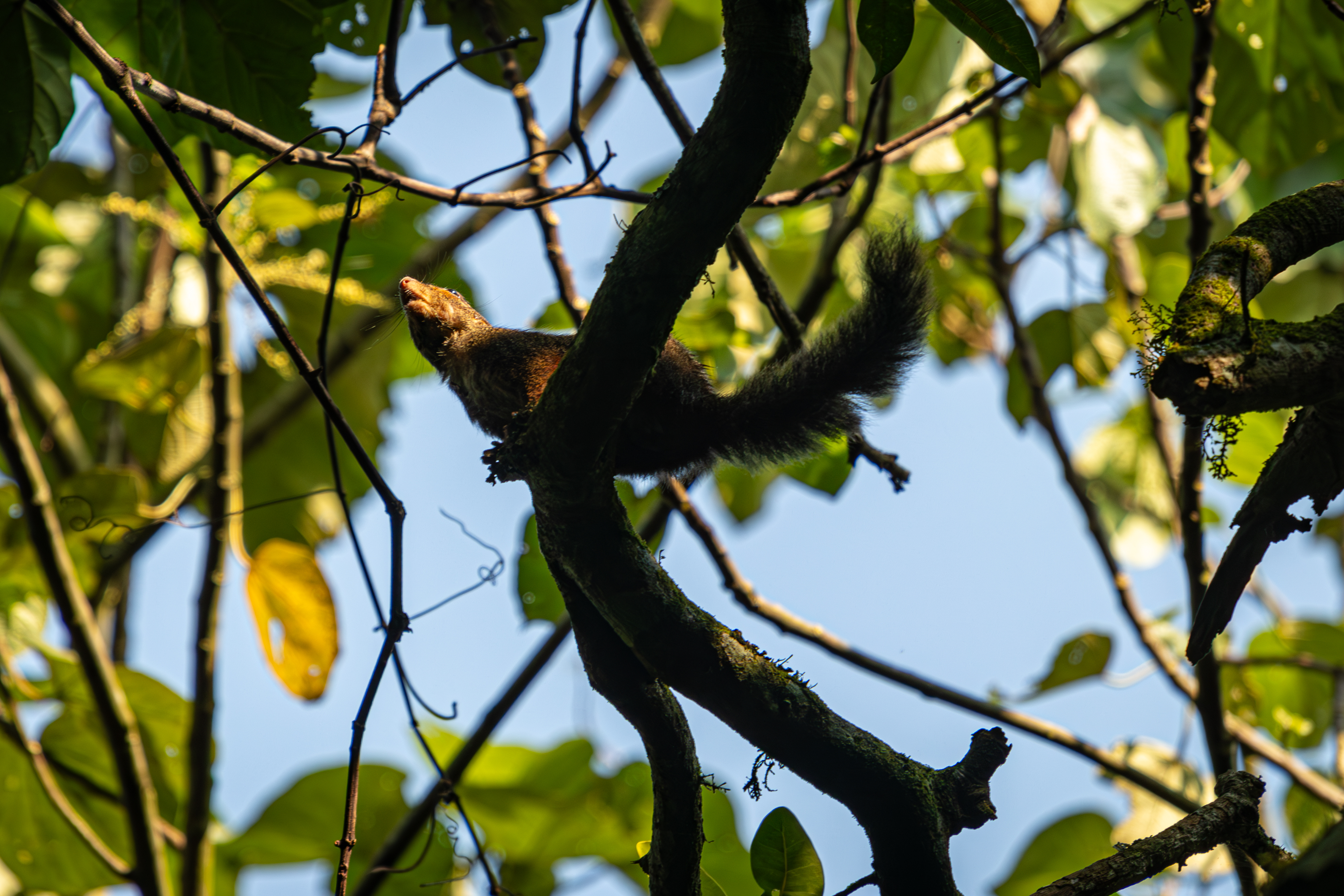

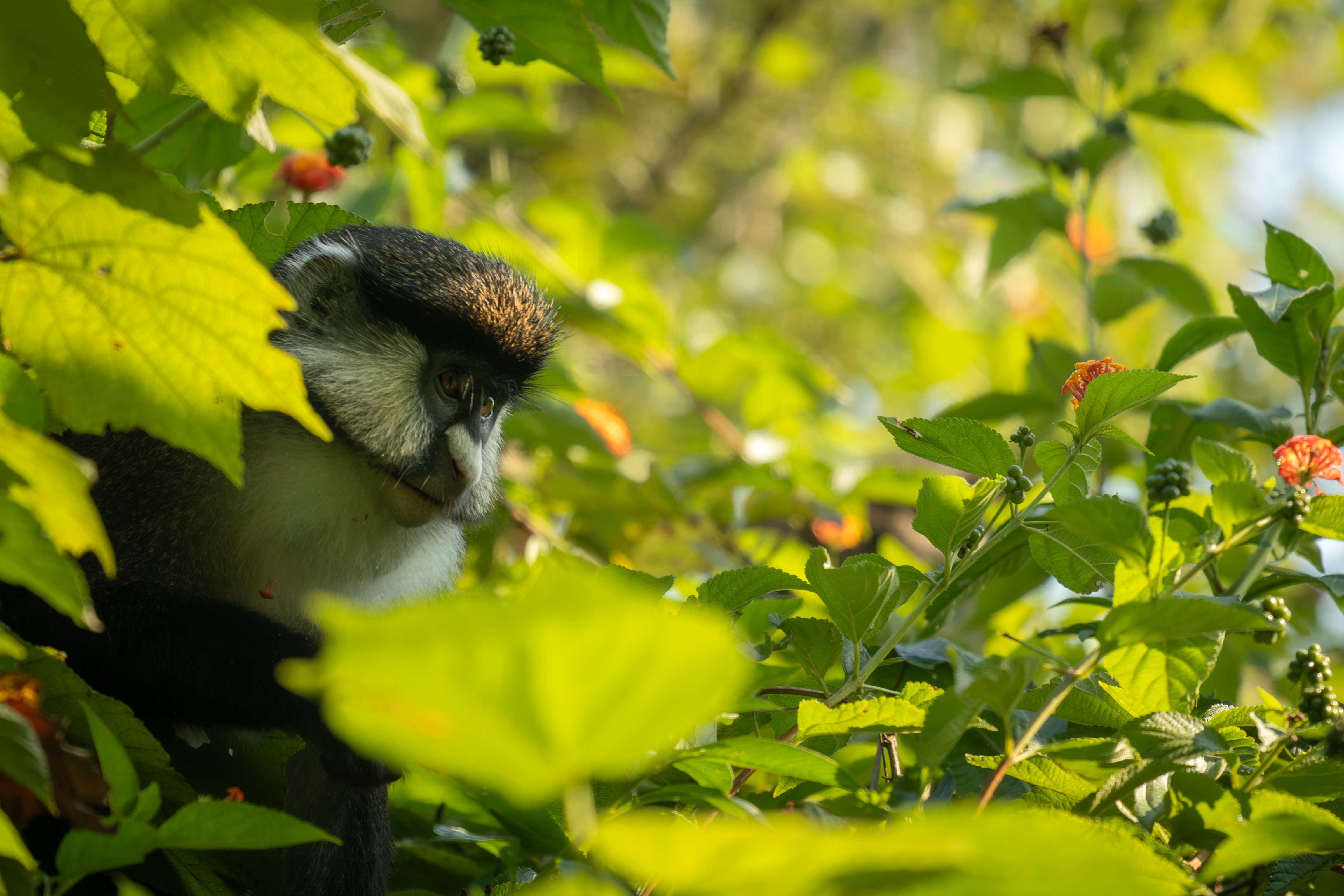

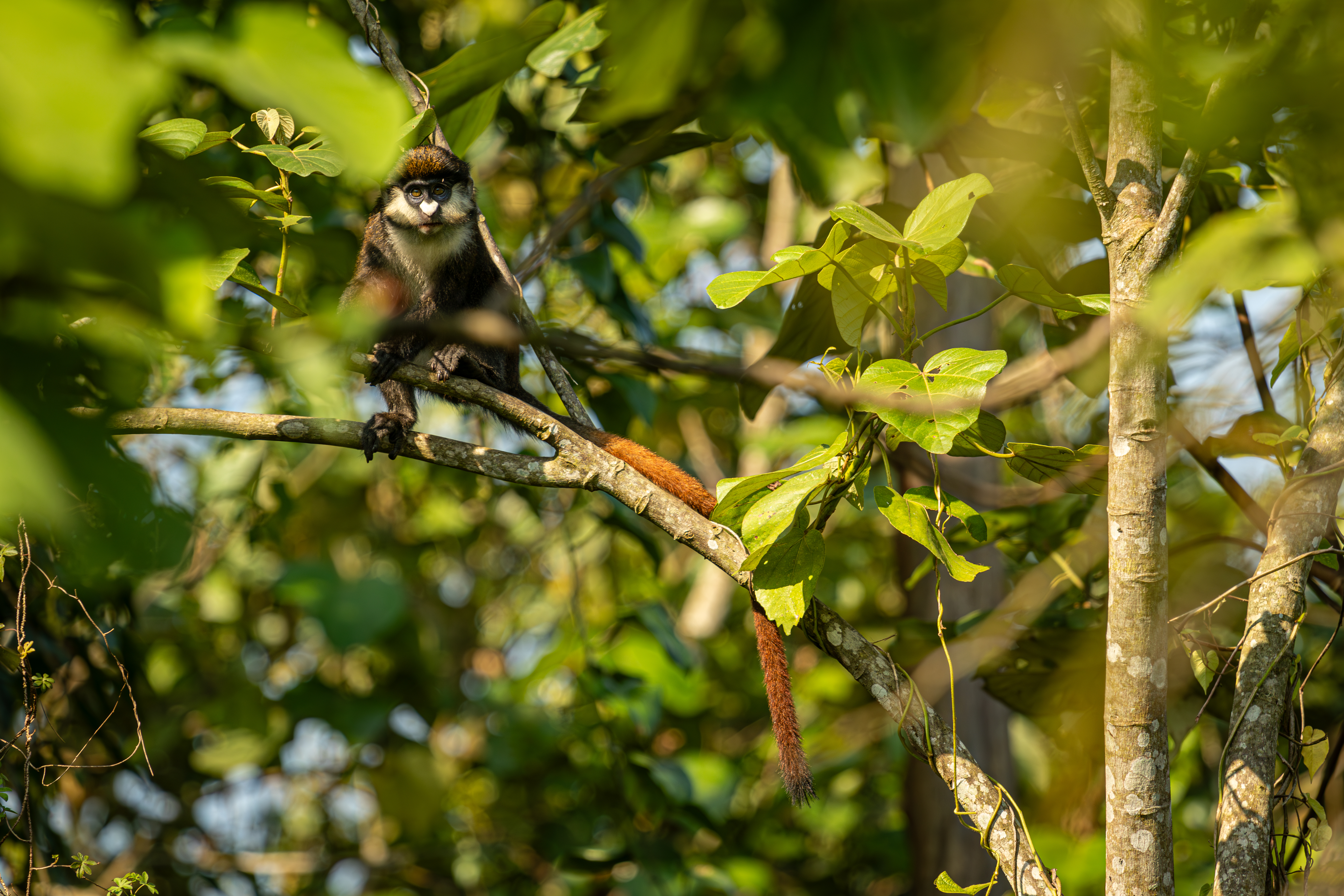
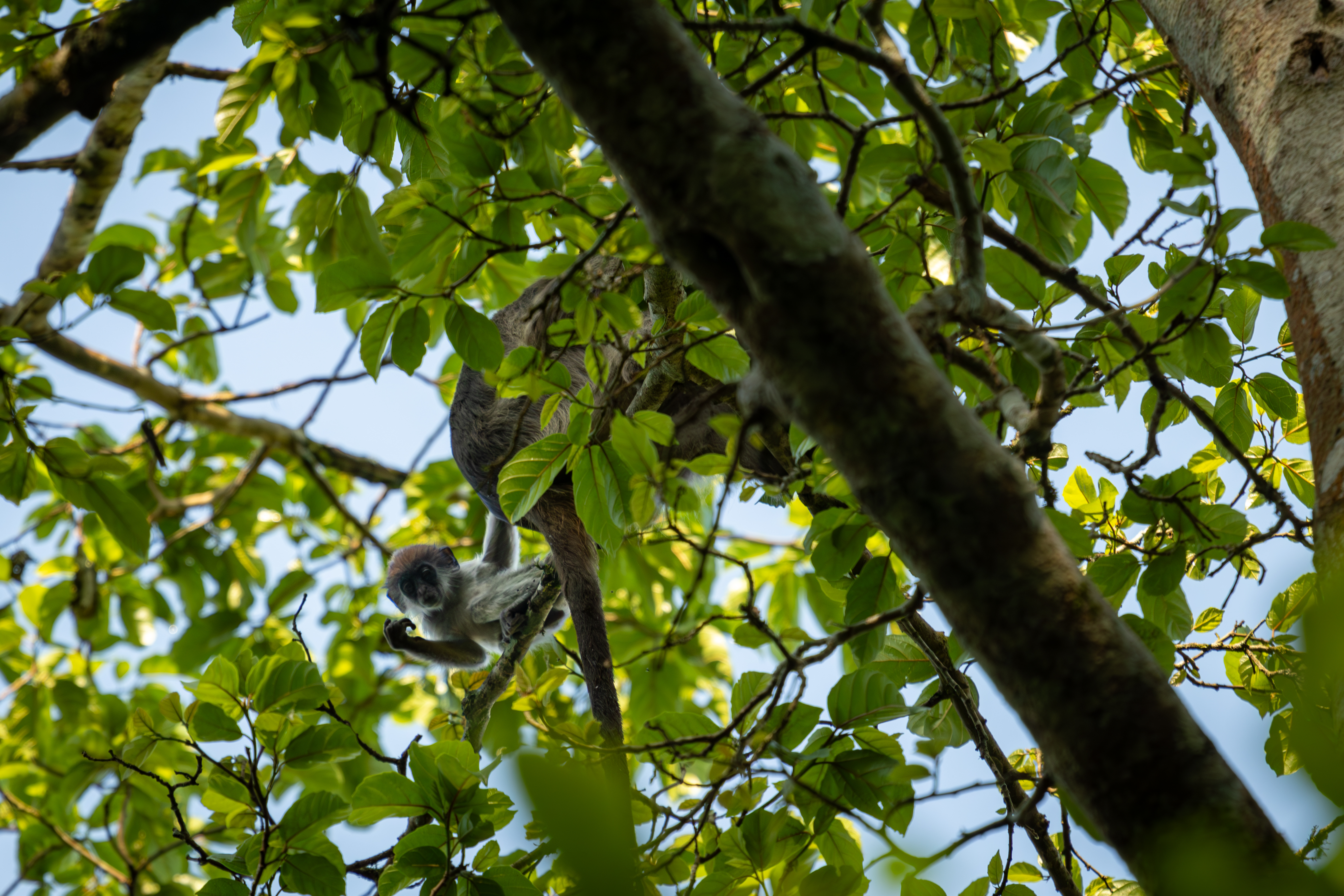



After lunch, we returned to Kibale National Park for the chimpanzee trekking. First, we received instructions on how to behave in the forest, split into smaller groups, and were assigned a guide. Each guide had two assistants, and all three carried Kalashnikovs. They explained that completing military training is required for this job. And that guns are used to scare away elephants that accidentally wander into this part of the park.
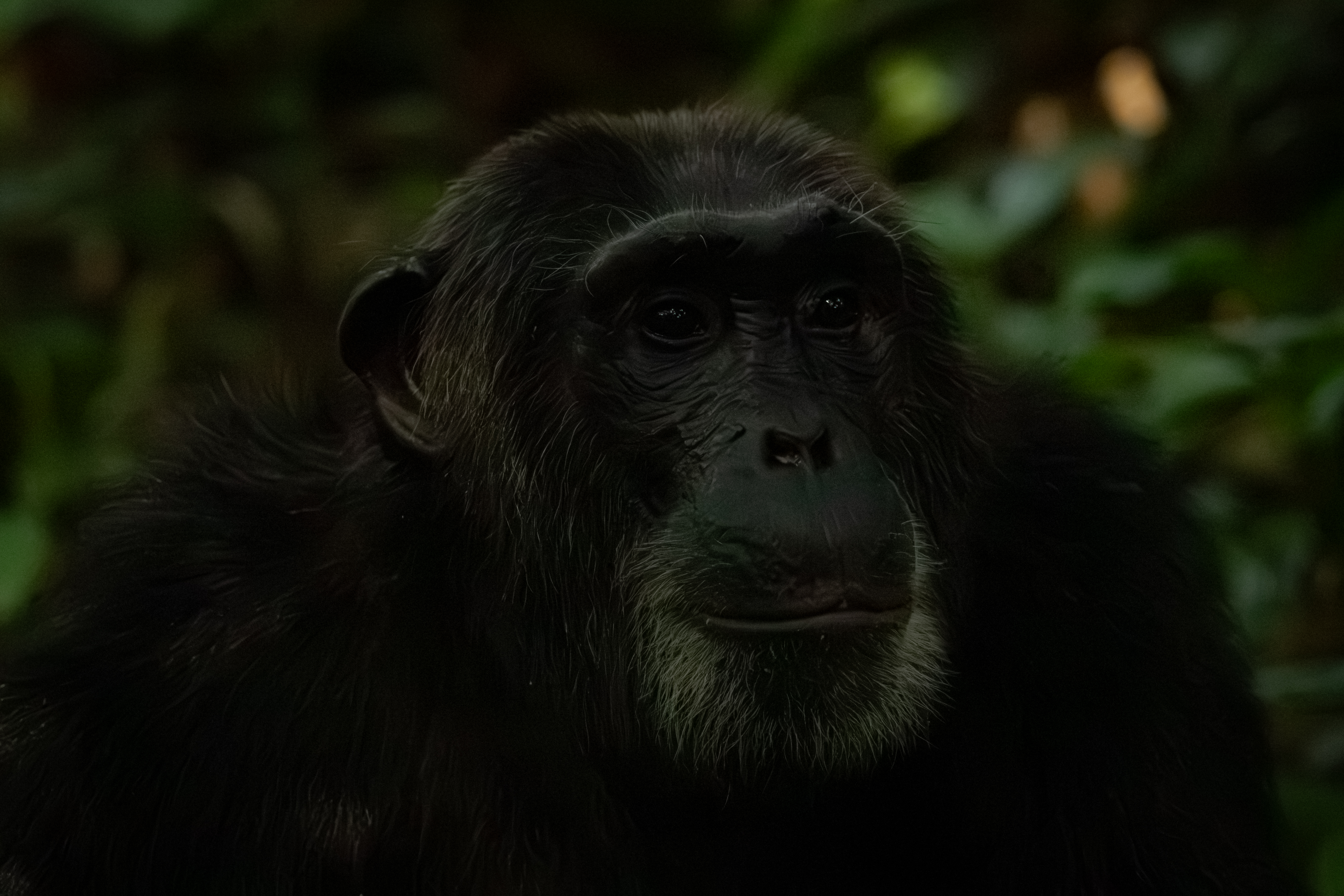
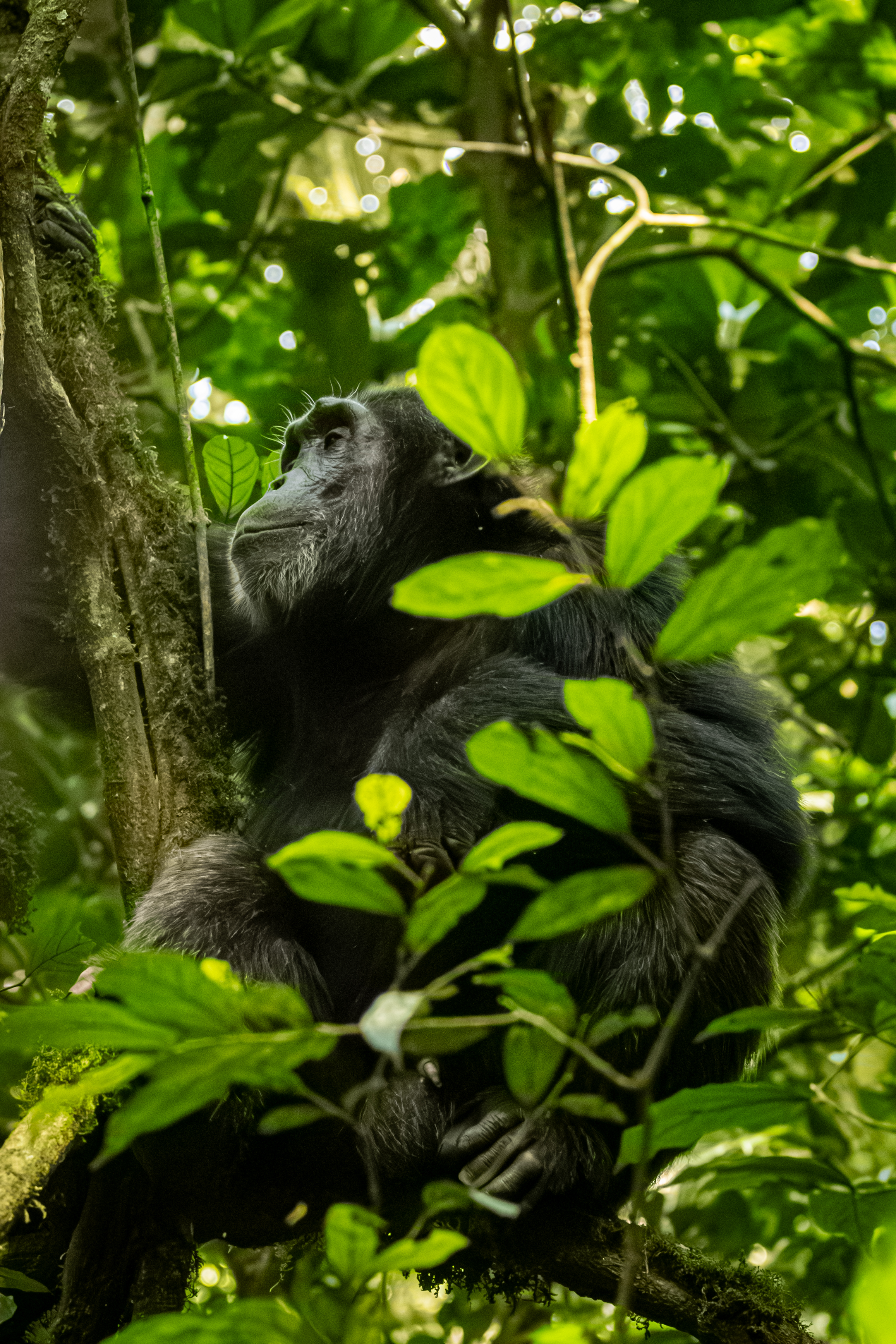
In the forest, we spent most of our time trailing one chimpanzee, named Mr. Black, as he searched for his friend. When he finally found him, Mr. Black began breaking branches and making a lot of noise. According to our guide, this behavior is called “displaying.” It is a way for him to assert dominance. Or, as in this case, it can express frustration at being left alone.


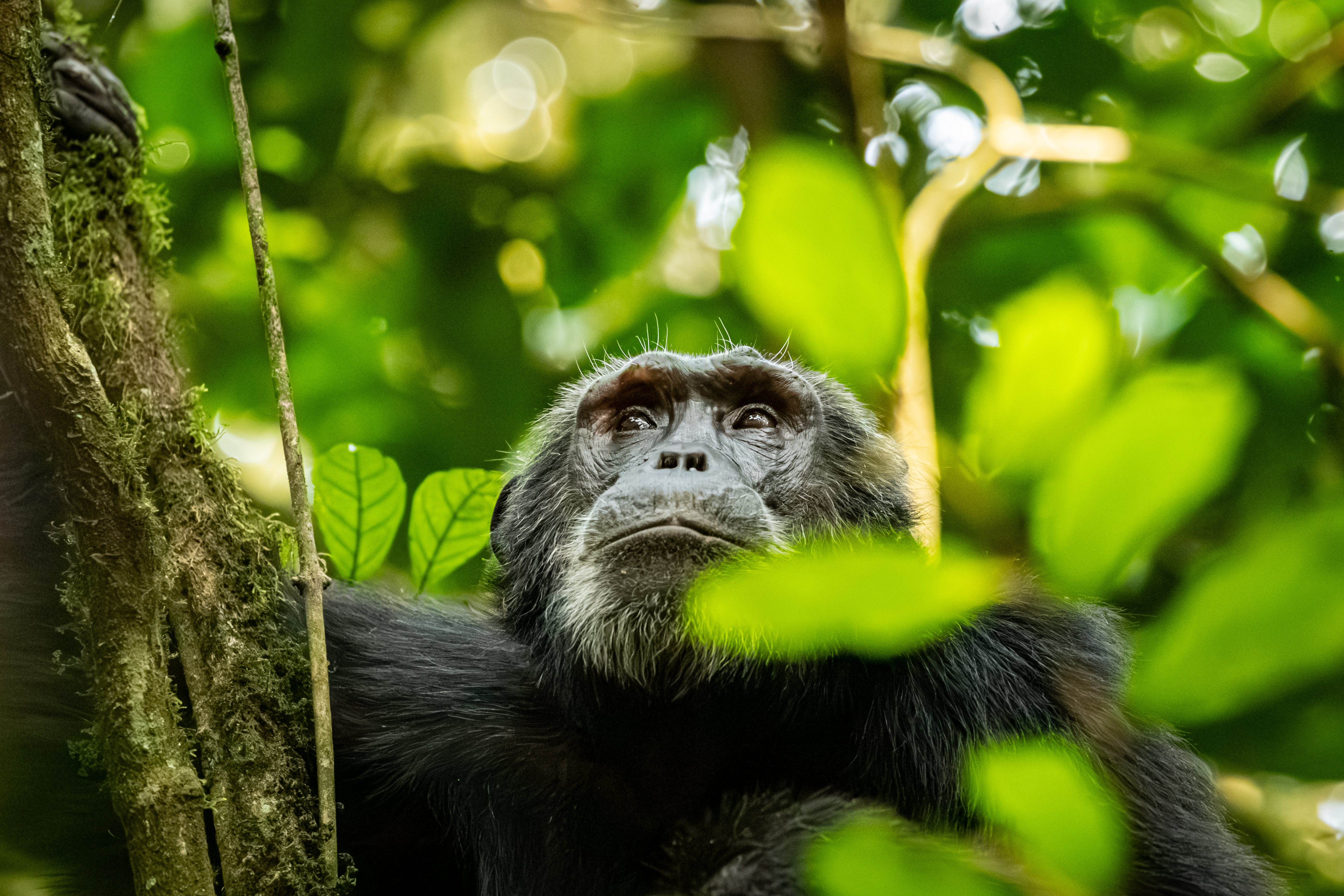

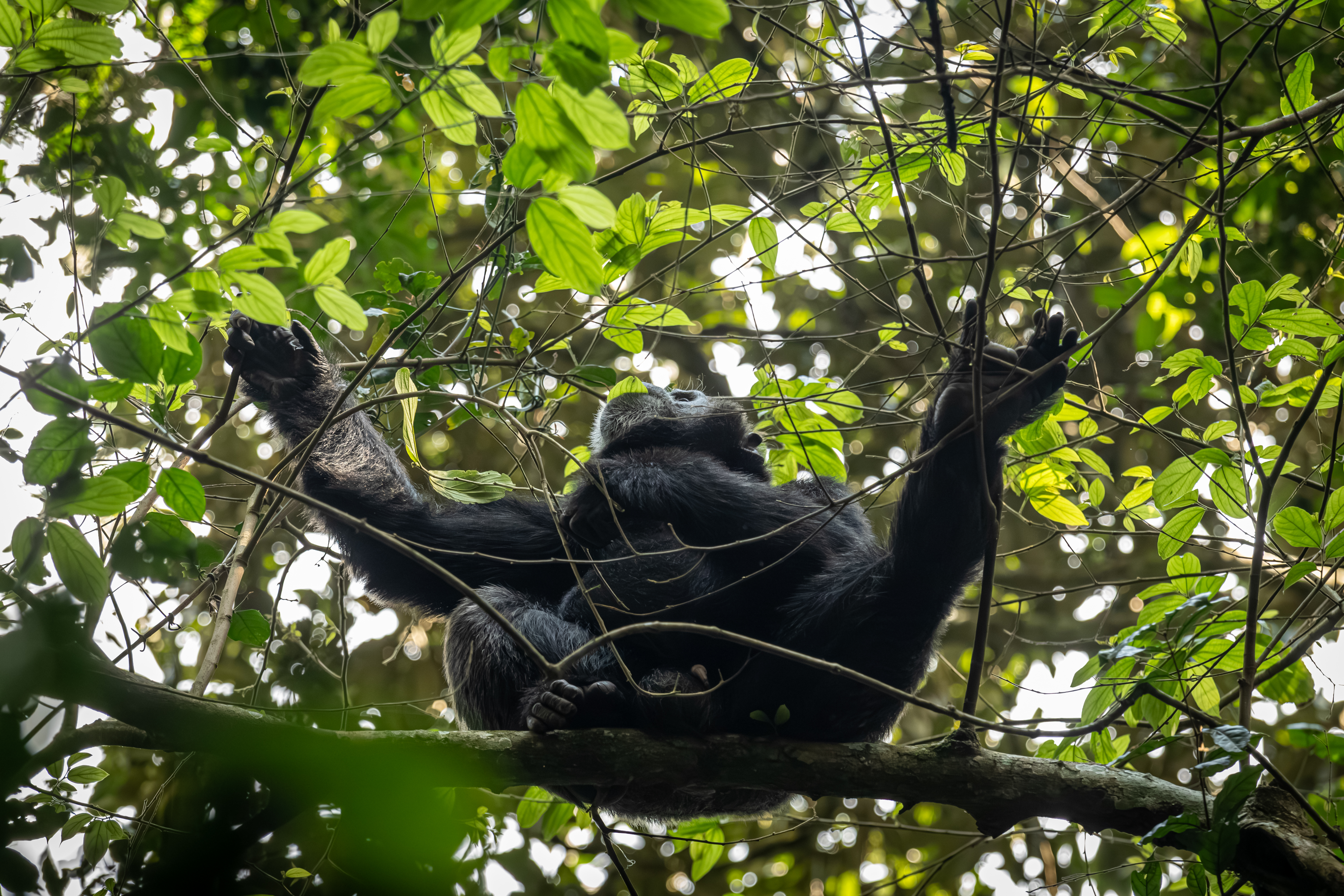

After the trekking, we had a long drive to Queen Elizabeth National Park with a short stop at the Equator. It was pretty crowded, so I didn’t take proper photos of the monument. Still you can enjoy at least an equator sunset from this point.

Dec 31: Day 7 – Lion Trekking and Boat Tour in Queen Elizabeth NP
Originally, we planned another game drive in this new park. But when offered the chance to go lion trekking for an extra fee, we couldn’t resist. Unlike a regular game drive, lion trekking means moving in a group of cars. The lead car carries a ranger with a special locator, that helps find big cats fitted with collars. During lion trekking, you don’t stop for other animals— only lions and leopards!
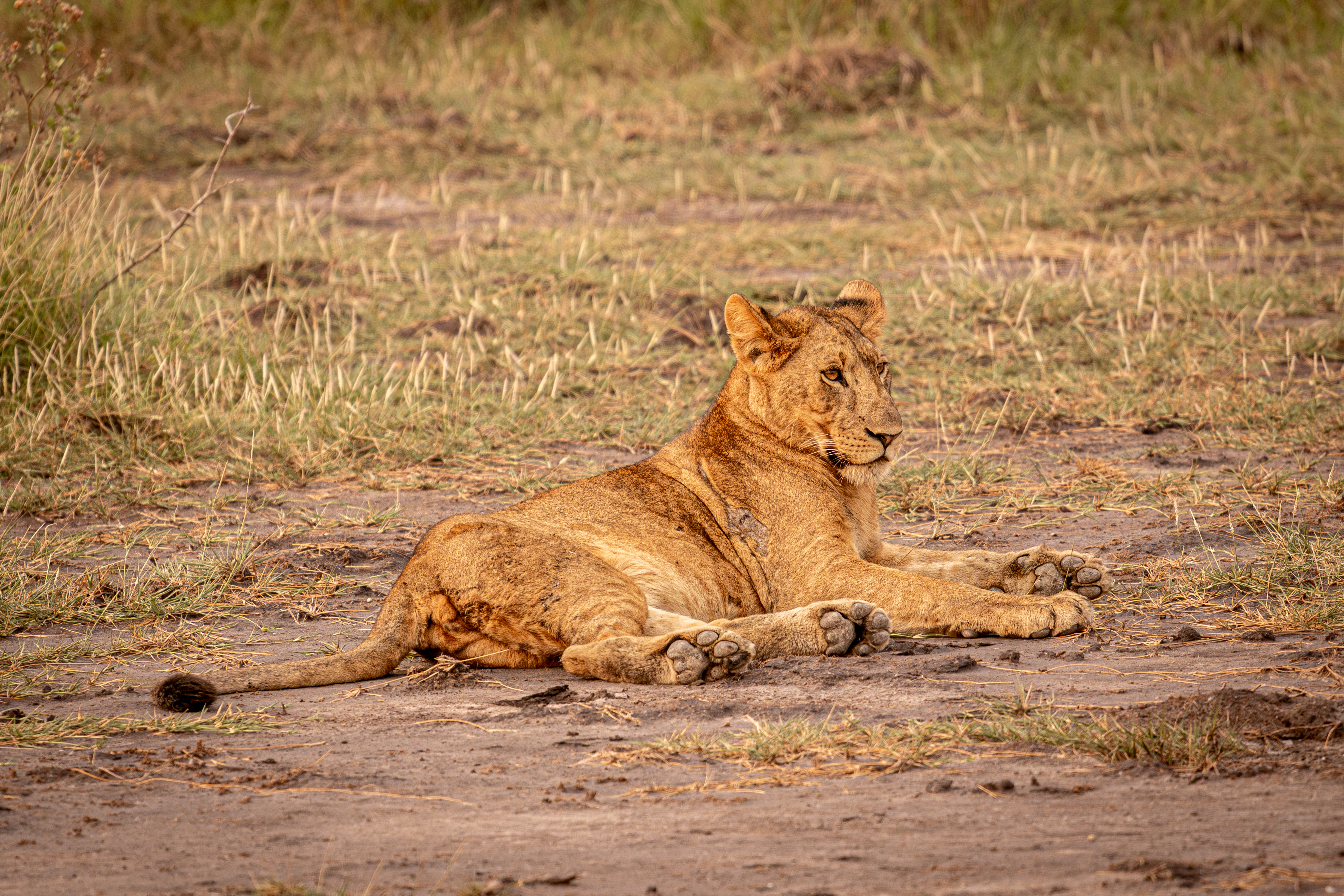
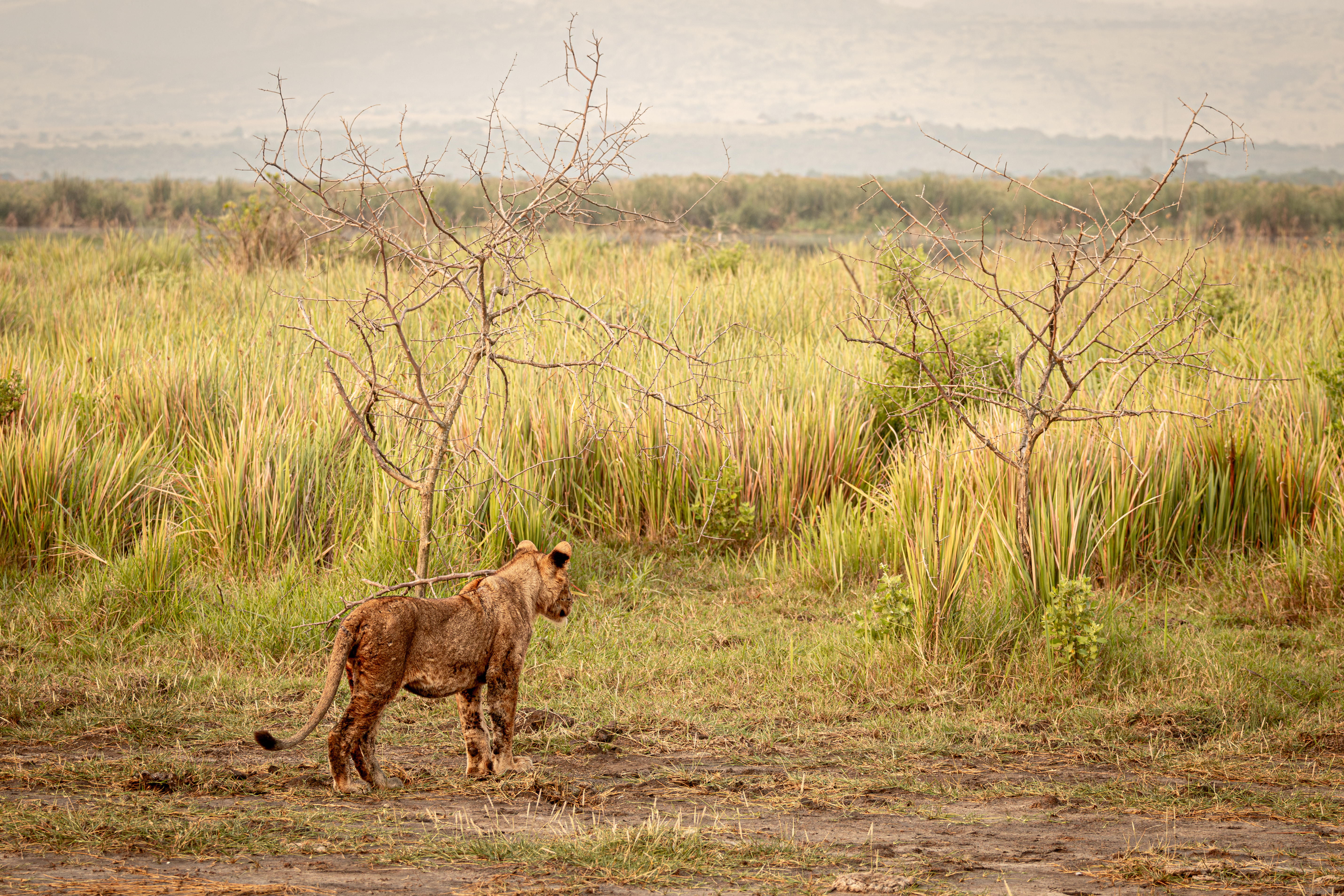
First, we found a large pride of female lions and cubs. I think there were 7 or 8 of them, and we were told the pride had 11 individuals in total. We spent some time watching the cubs play.

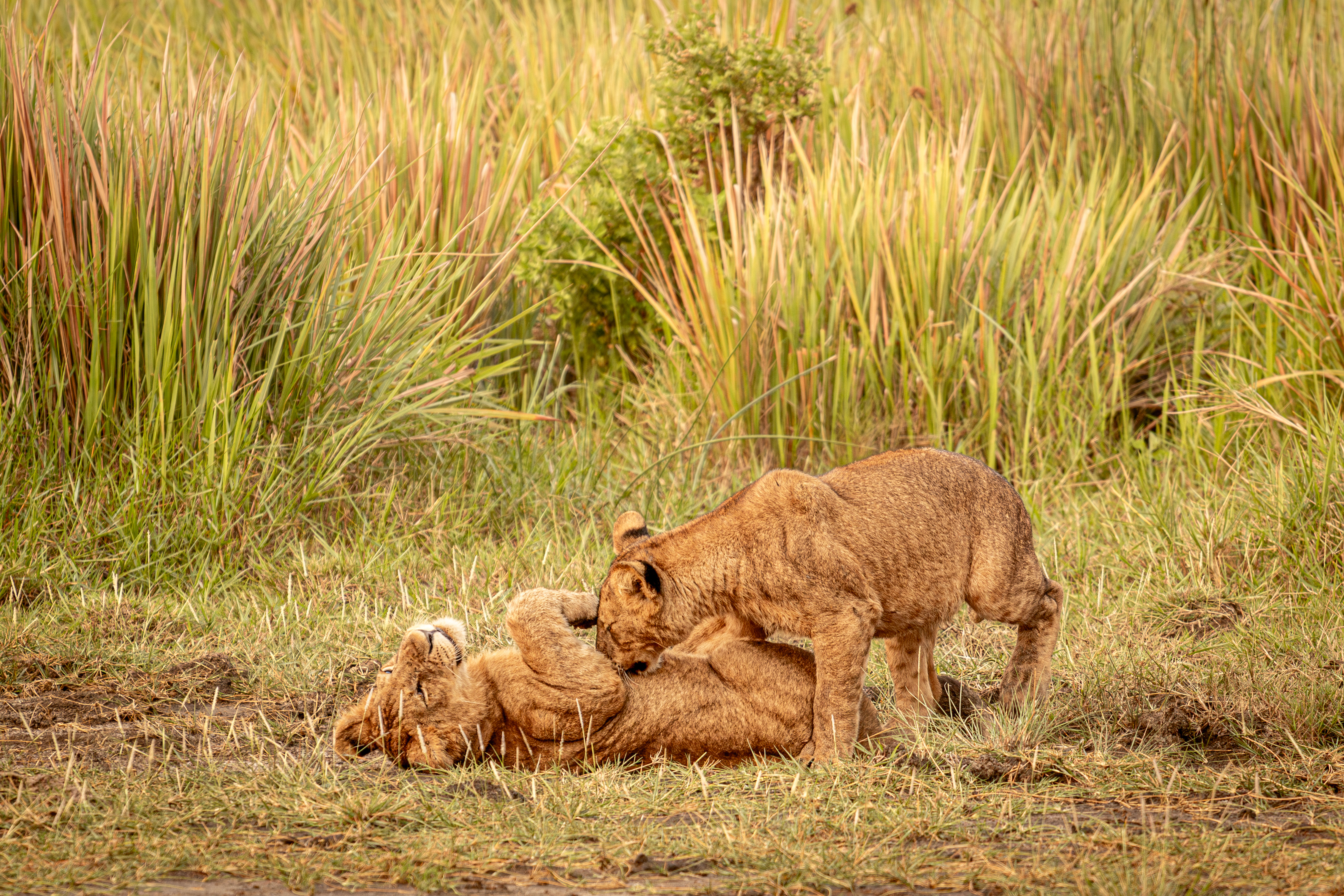
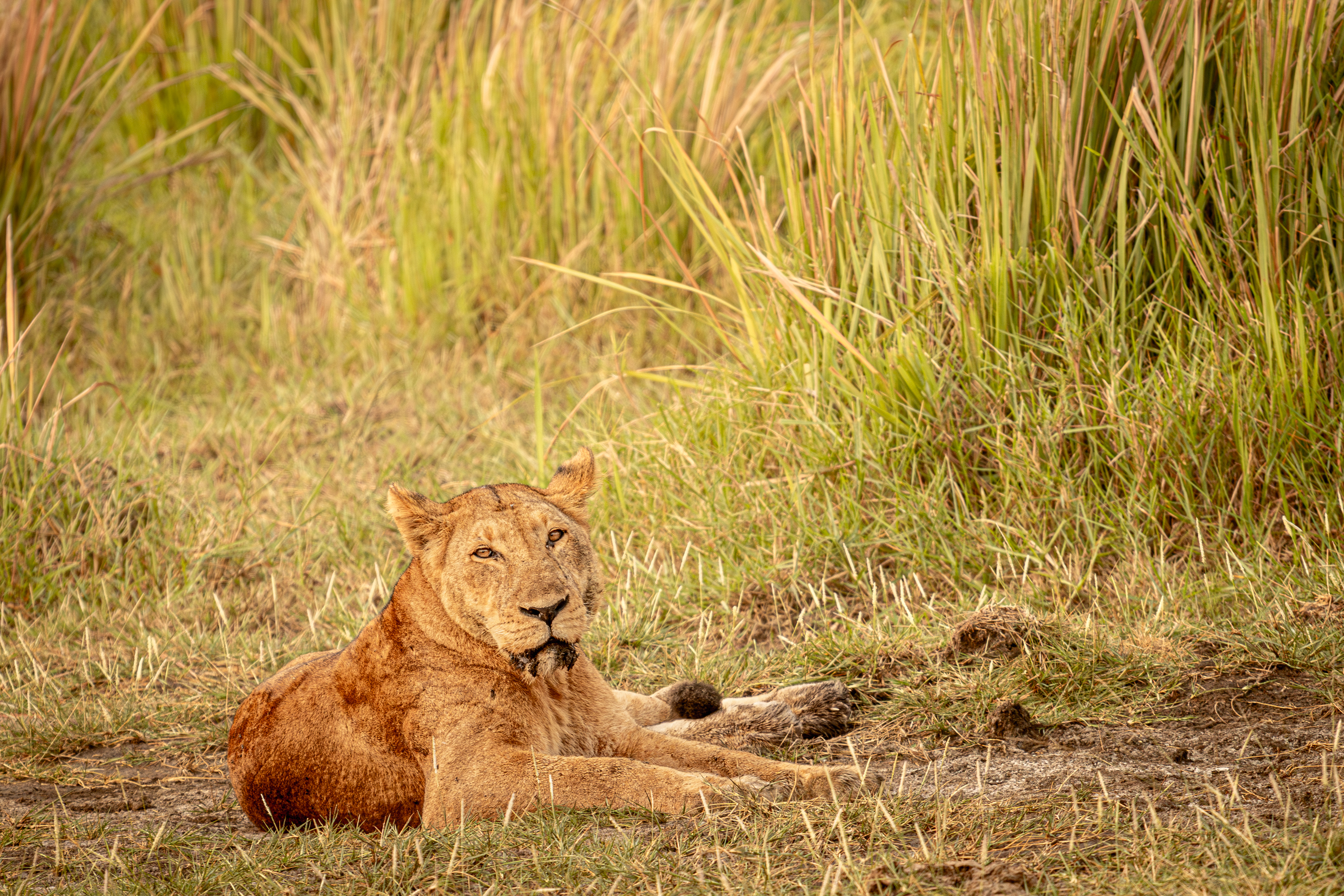

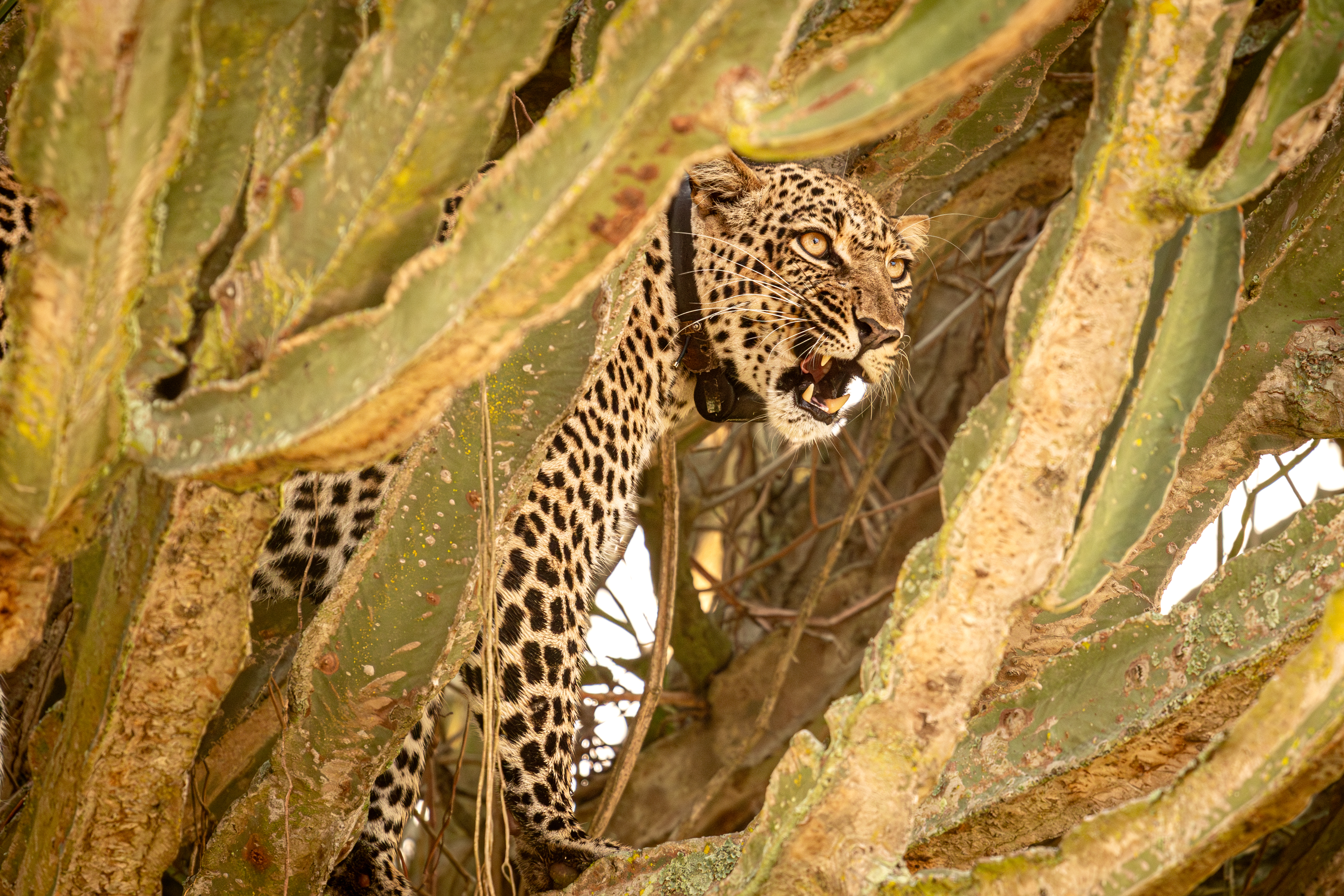
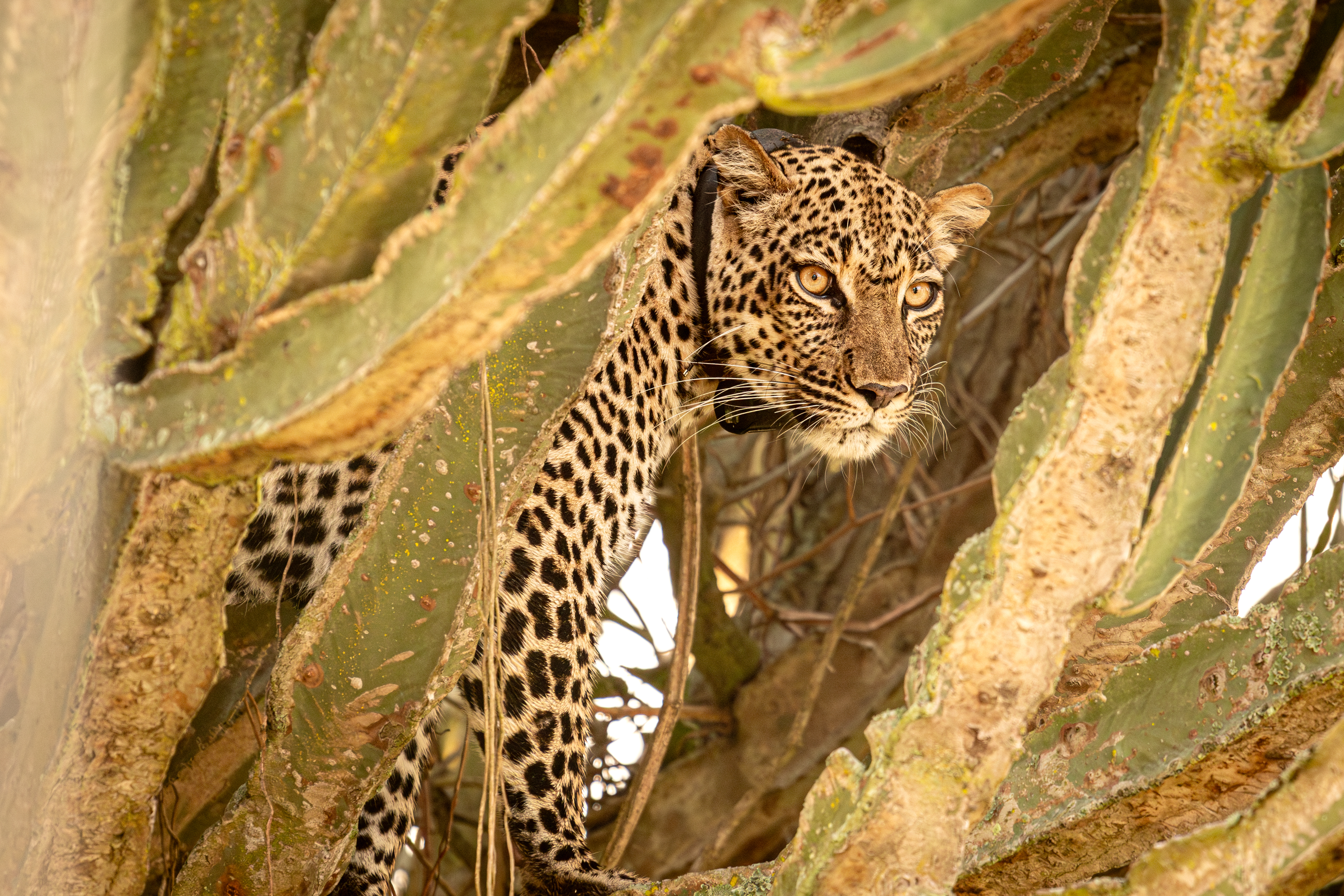
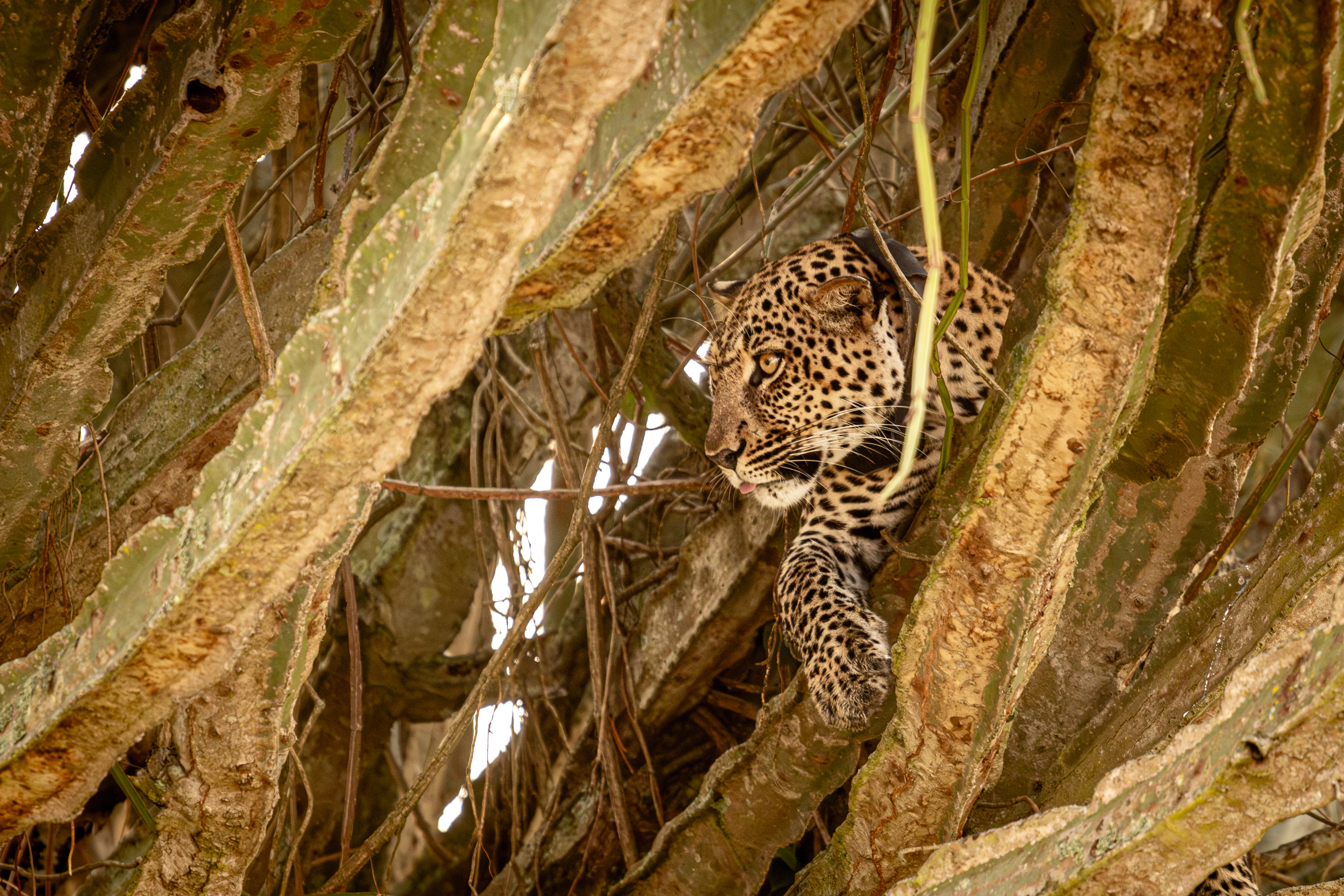
Next, we visited a leopard resting in a tree. The funny thing is, after John spotted a leopard in Murchison Falls NP with just his eyes, I couldn’t help but think about the ranger, “Oh, you’re cheating using this locator!” 😀
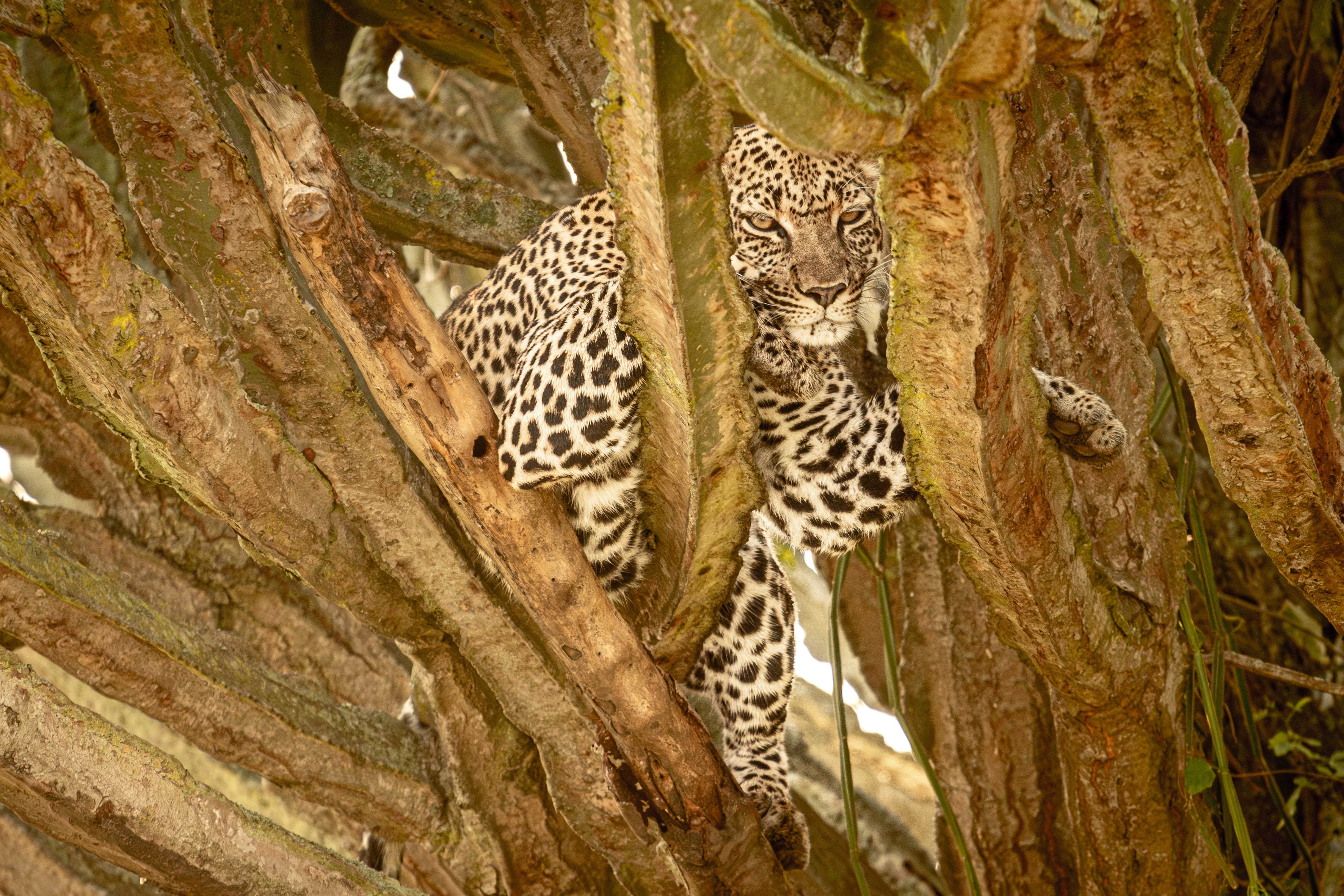
The next finding was a freshly killed buffalo and two lions nearby. At first, we only saw one lion lying on the ground.


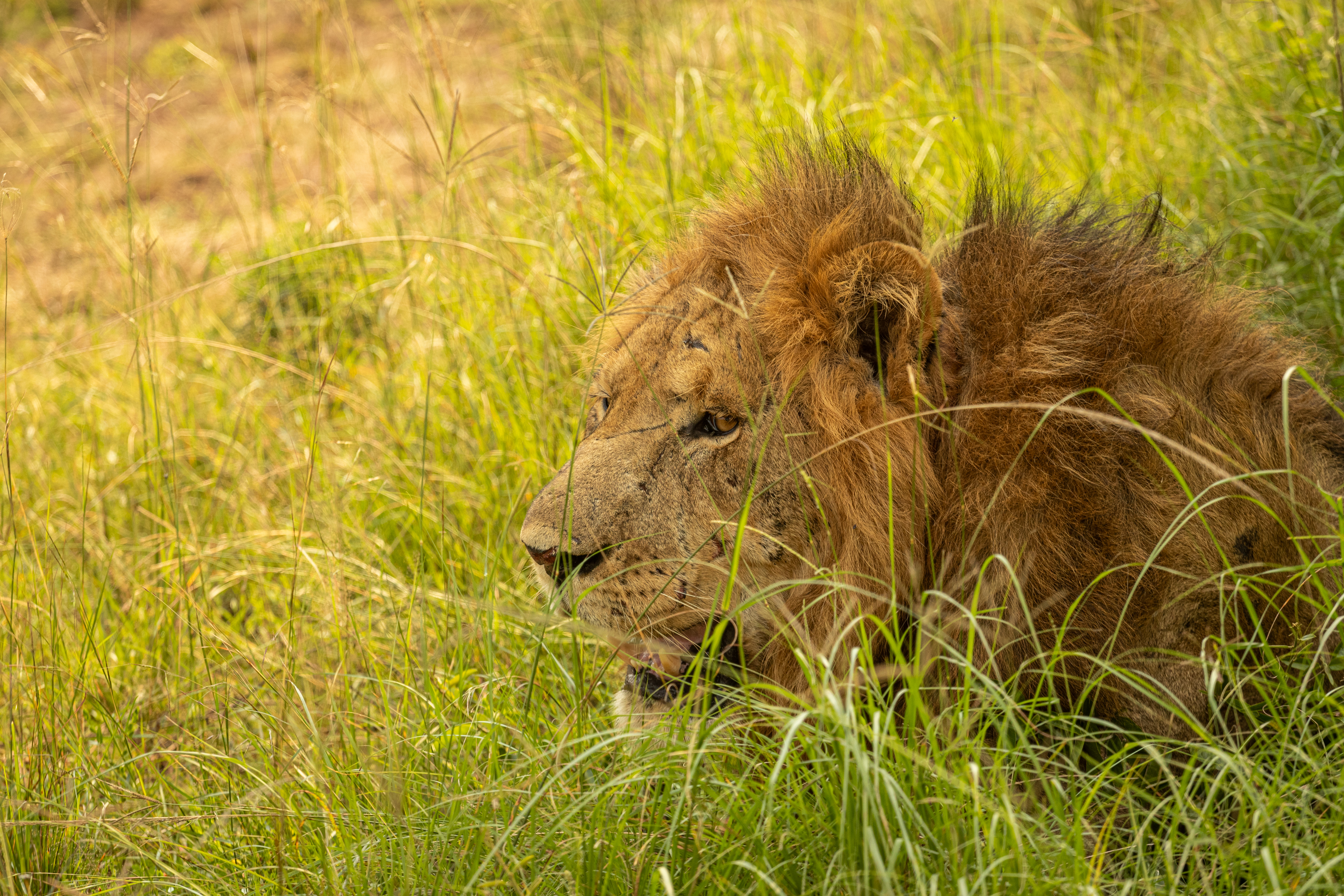

Then the ranger pointed out another lion lying in a tree.


Both lions looked tired and even sick—probably the buffalo gave them a hard time. When we moved closer to the buffalo, we noticed it was already missing a leg. It smelled so bad that we asked John not to stay there too long. Sorry, no photos of the poor dead animal.
Lastly, we spotted another leopard. This one was either the daughter or the mother of the first leopard (I forgot which). Though they had been separated for a couple of years. At one point, this leopard even jumped to the ground and lay in the grass between the cars.


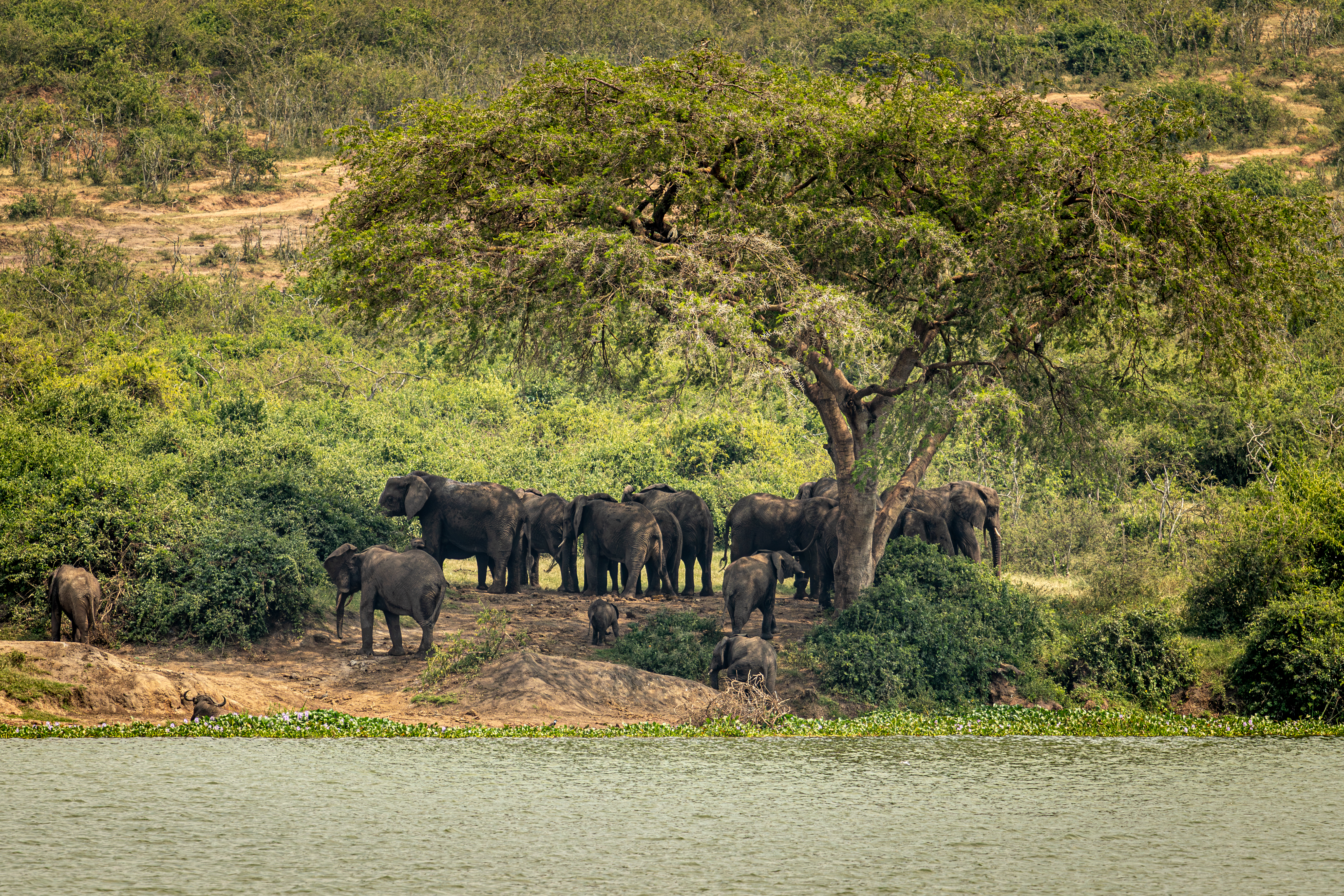
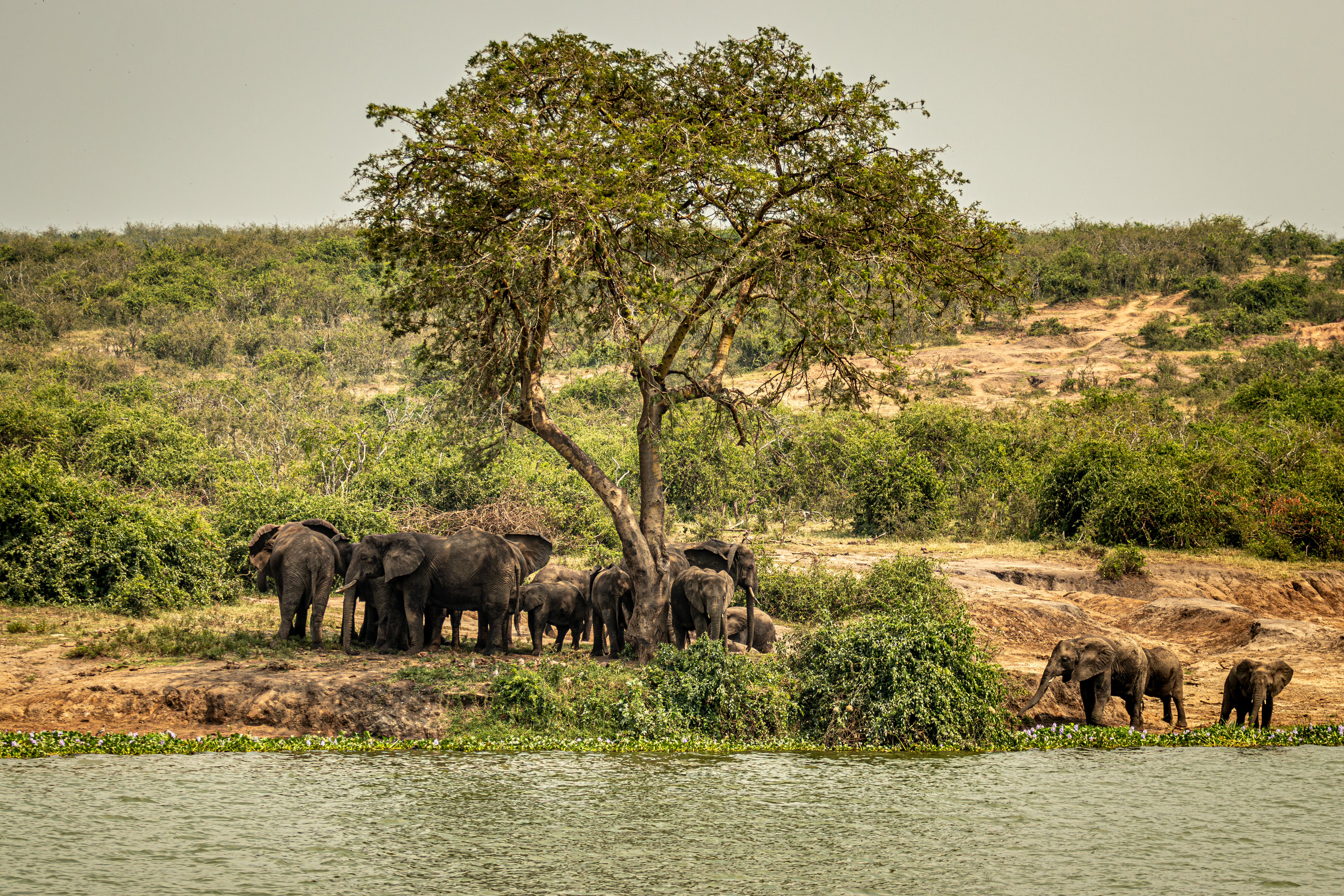
After lunch, we went for our last boat trip. This time, we started with watching a huge elephant family. The boat guide explained that elephants are divided into two main groups: family herds and bull herds. Family herds, led by a matriarch, consist of female elephants and their offspring, while bull herds are groups of males. Male elephants mostly live in these bull herds. Sometimes though they join family herds temporarily, especially when there’s abundant food or during the mating season.
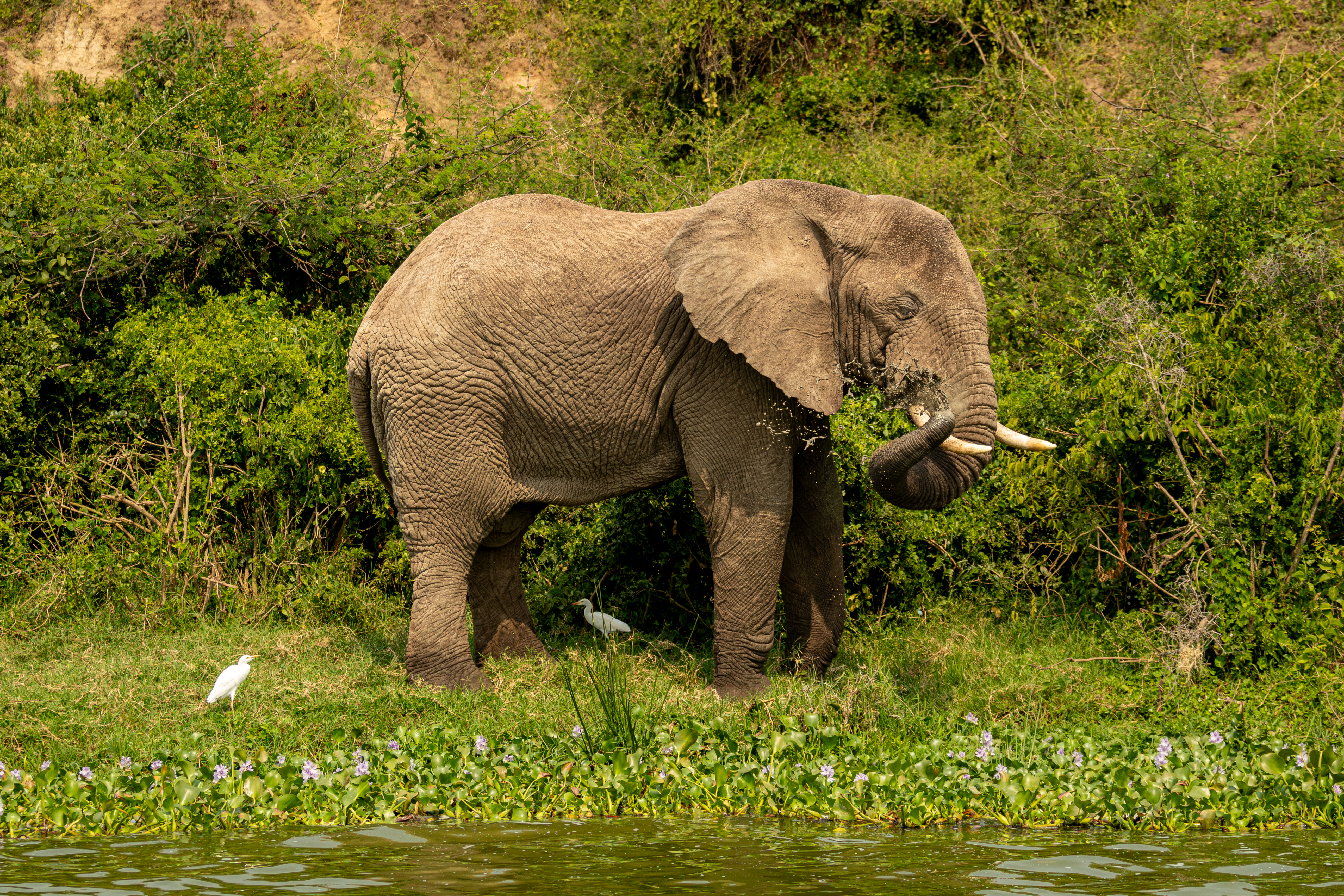


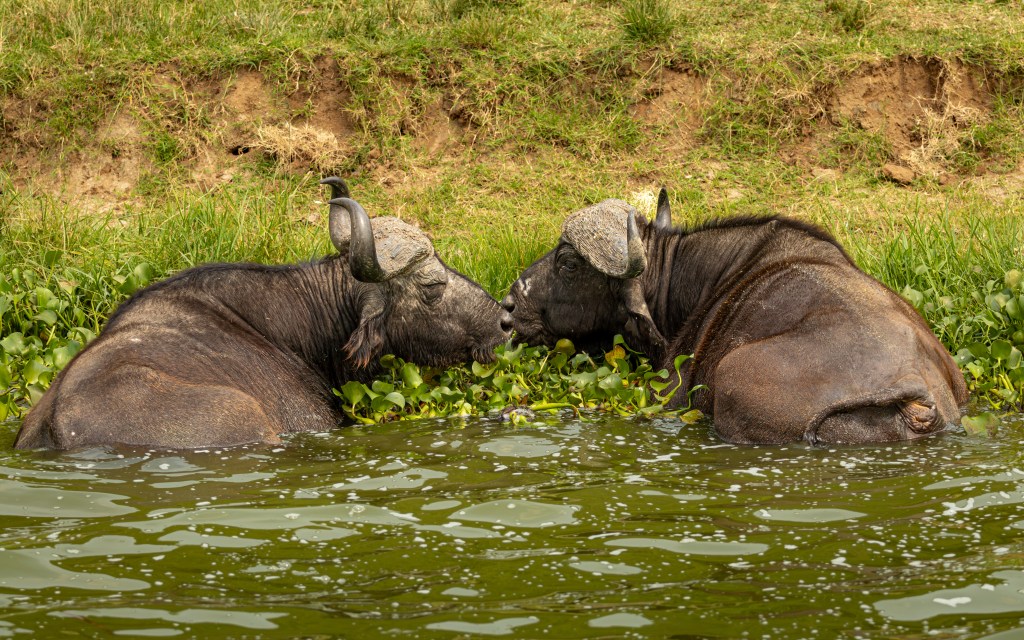
Next, we saw buffaloes lying in the flowers, which looked pretty cute. I hope the one from the first photo found a way to heal—or became lunch for another lion. The law of the jungle!


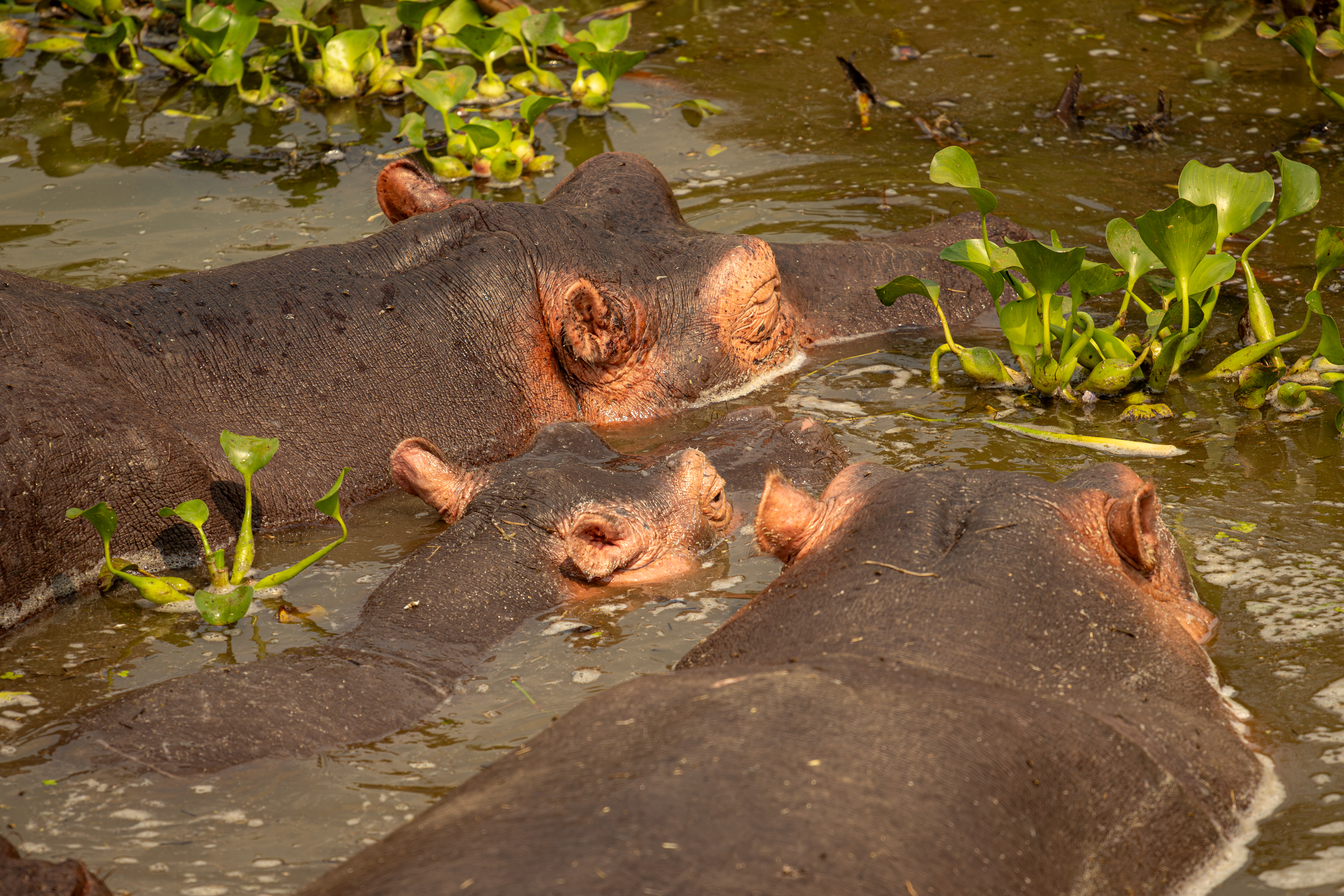
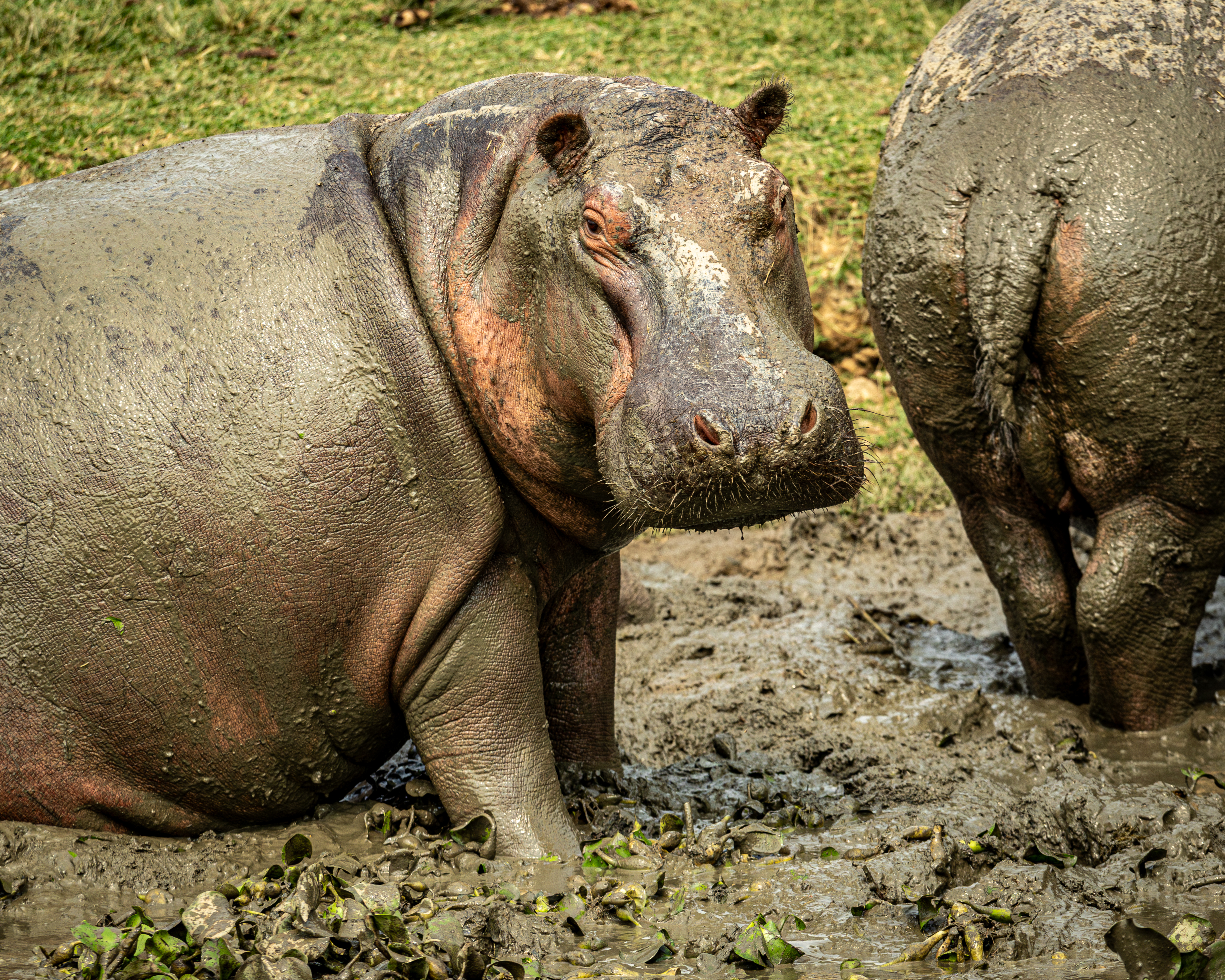
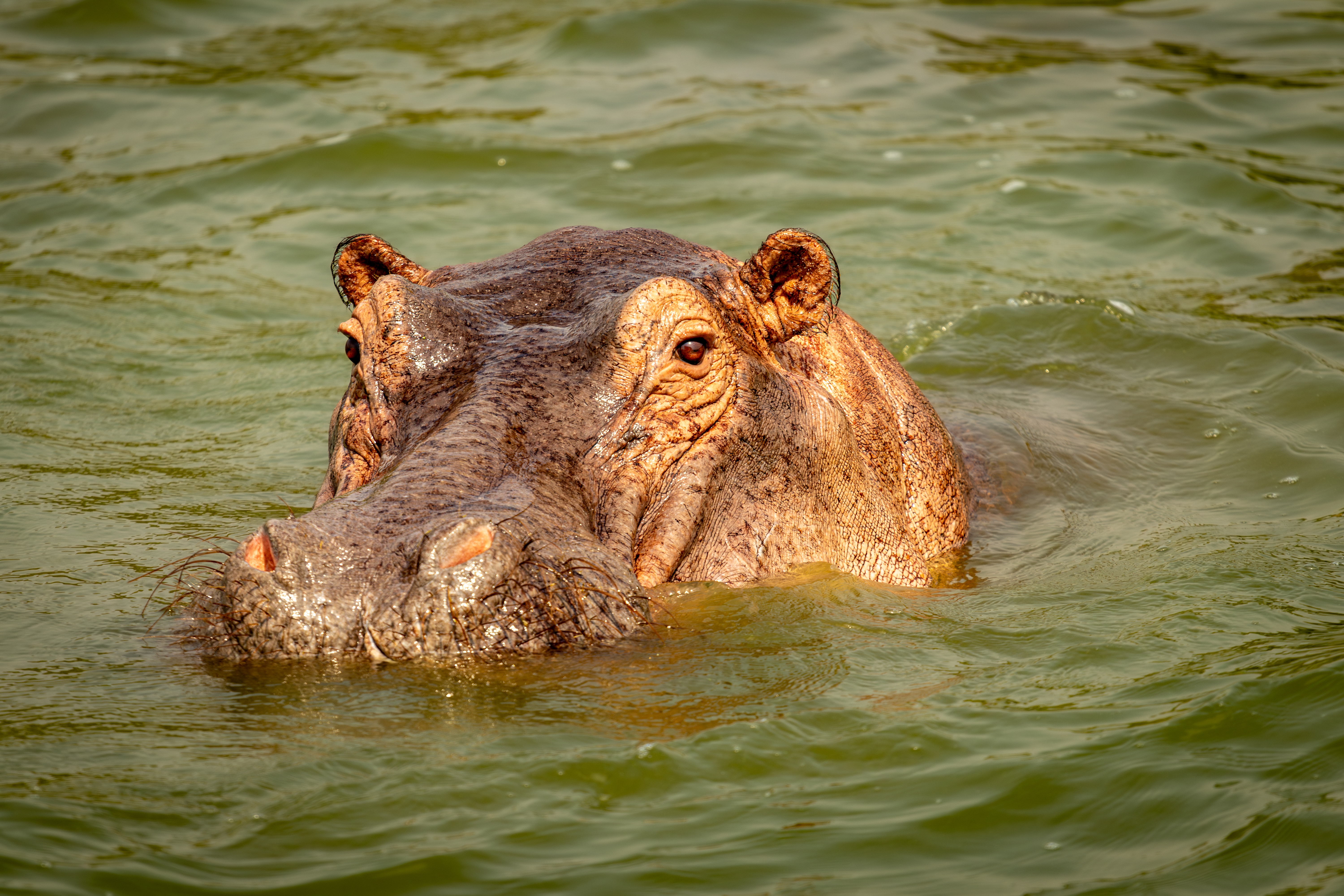
Of course, there were hippos. Another interesting fact about them: here, they mostly lay in groups in the water with their heads facing the ground. Surely they don’t really have enemies in the Nile.

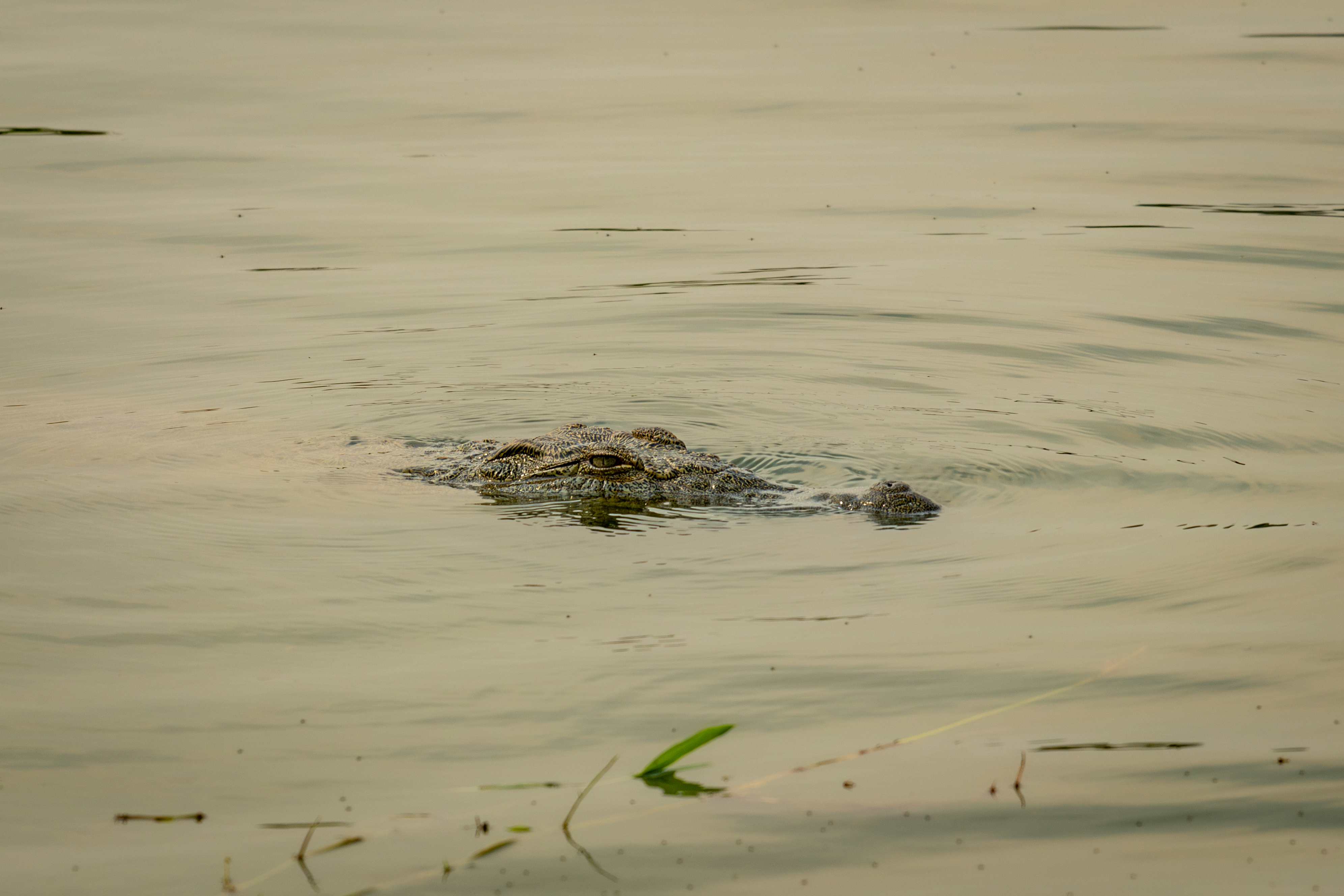
We also saw crocodiles. One started moving toward a white heron, and we expected some real-time drama. But both suddenly changed directions, and nothing happened.
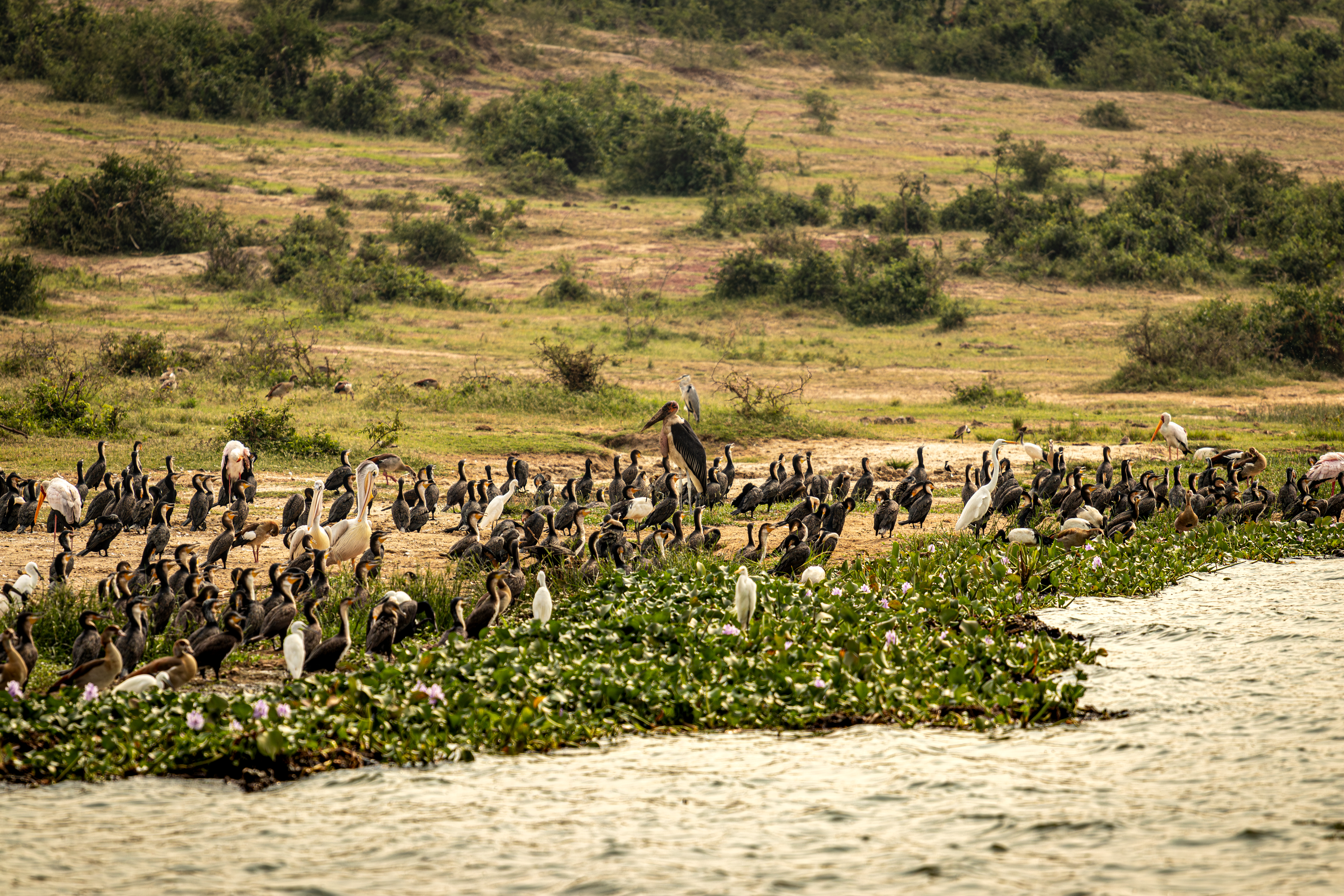
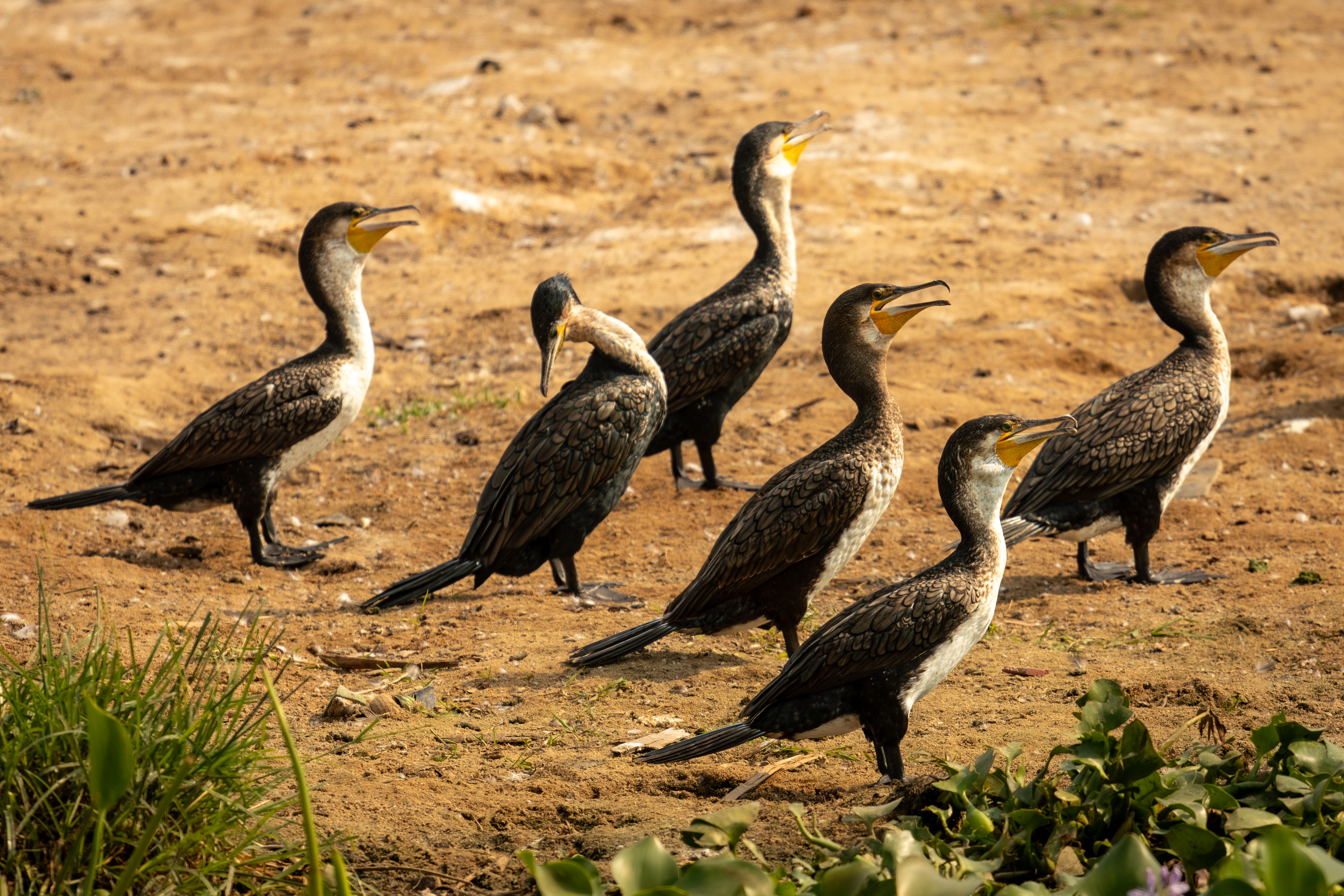
We eventually reached a fishing village and watched a huge field filled with various bird species.



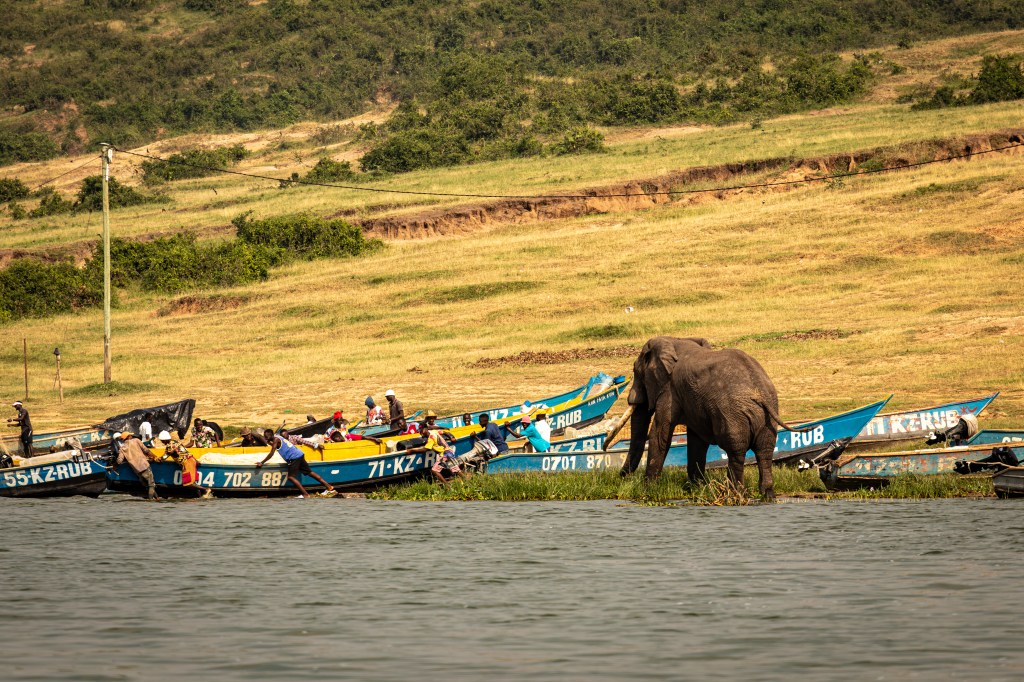
On our way back, we noticed an elephant that somehow got between the boats. The locals tried to guide it out. “An elephant in a china shop.” 🐘
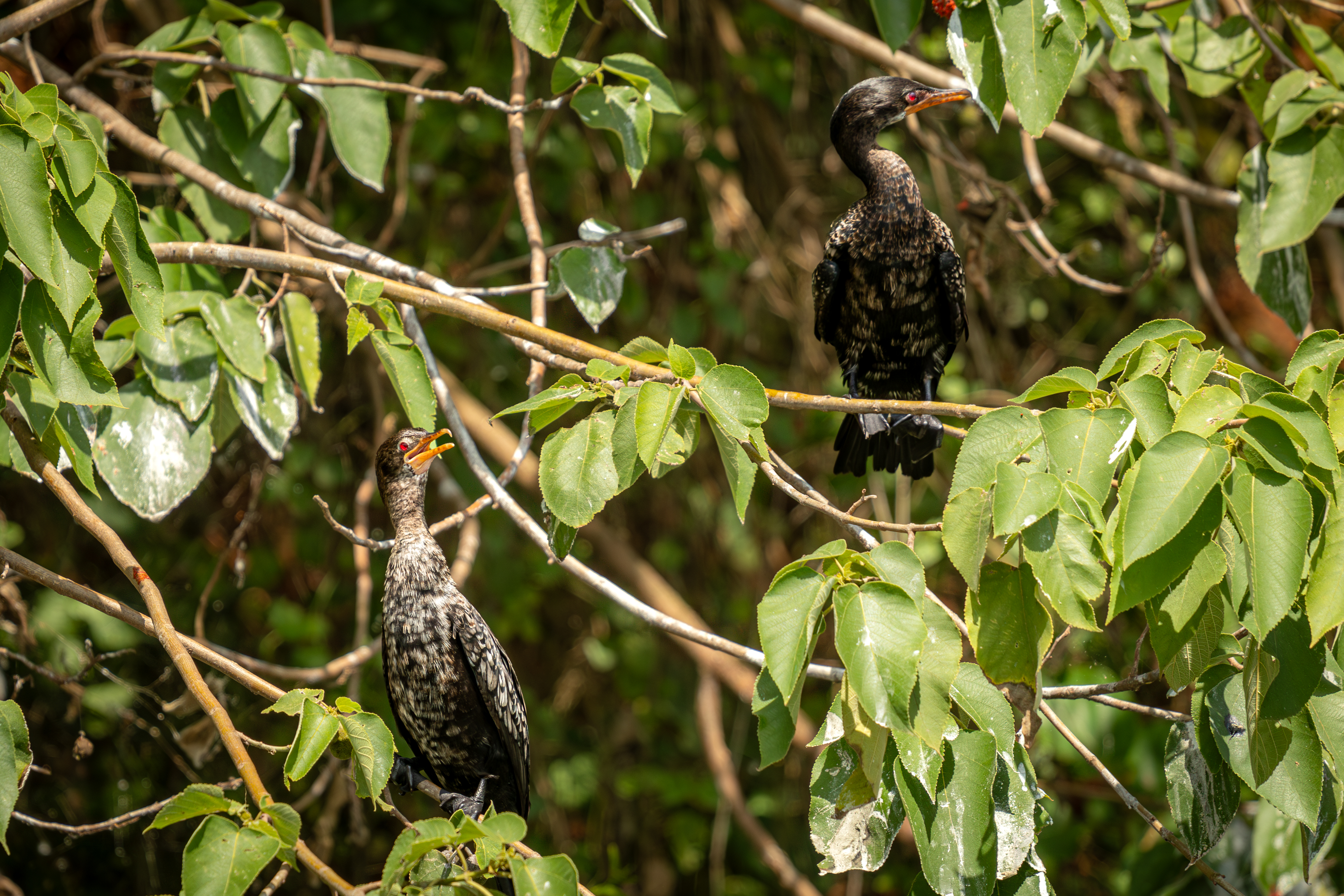
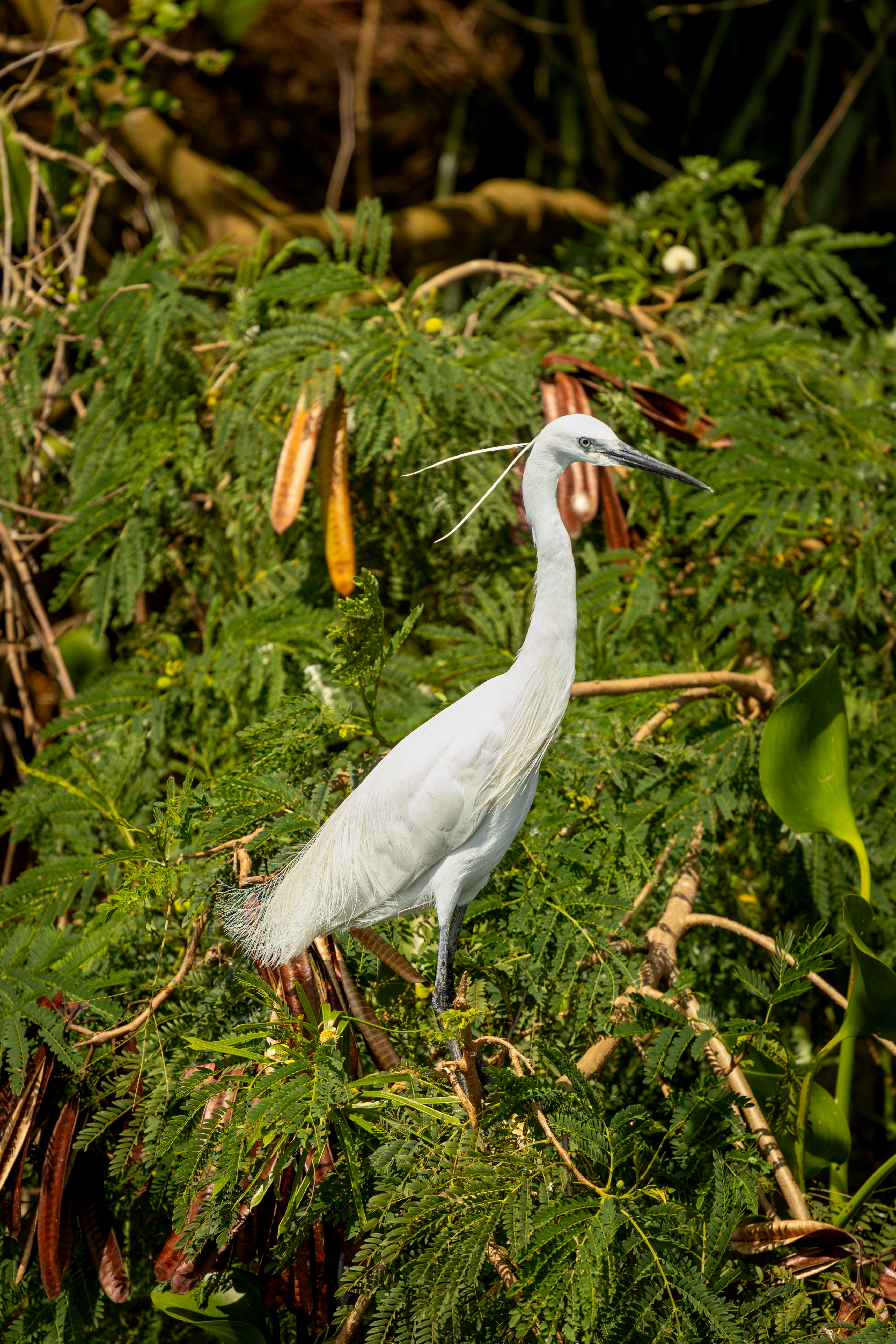
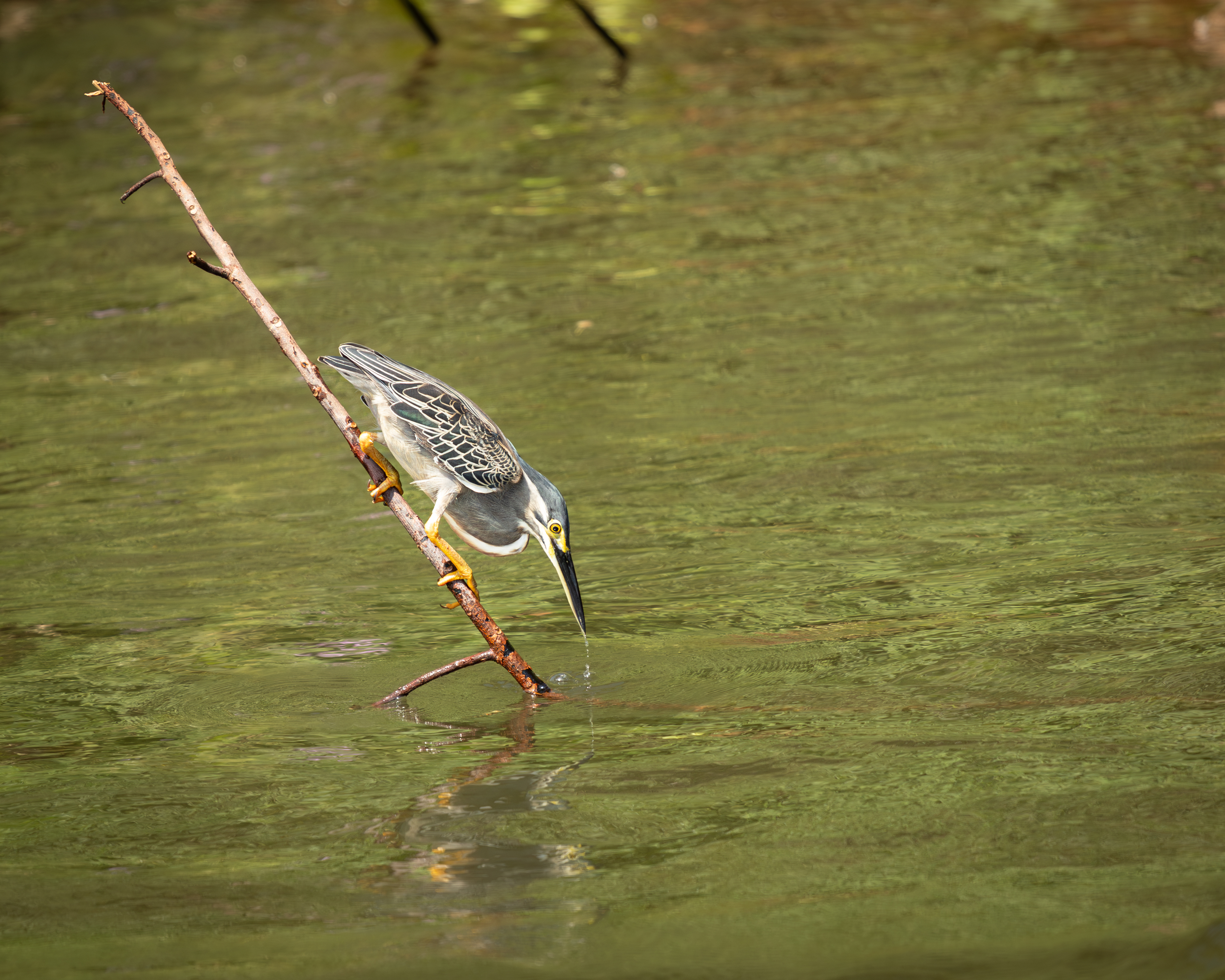
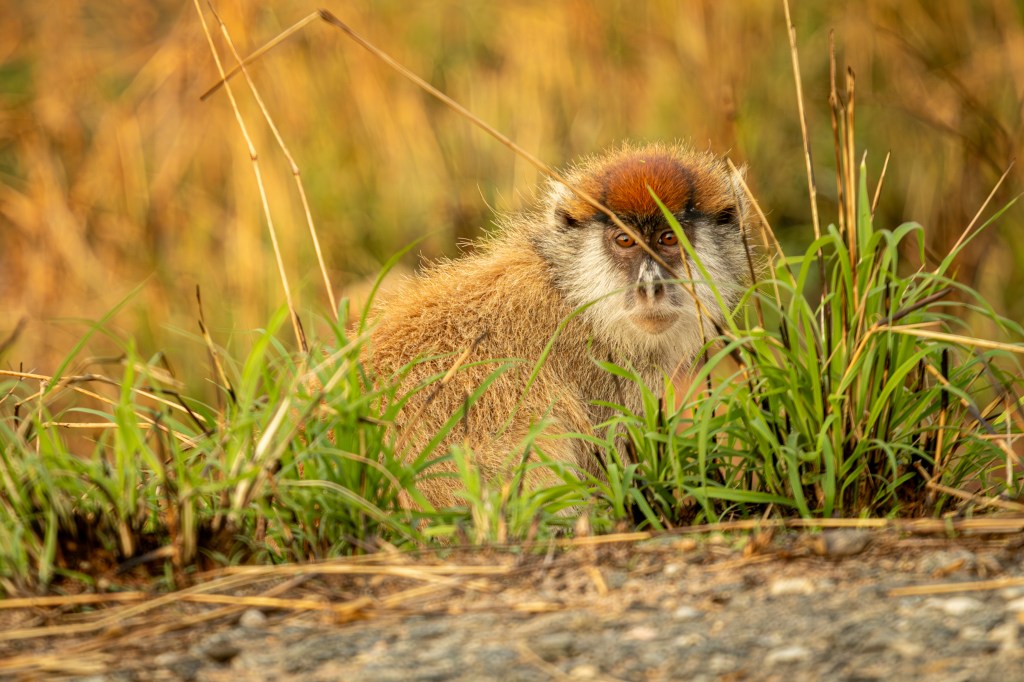
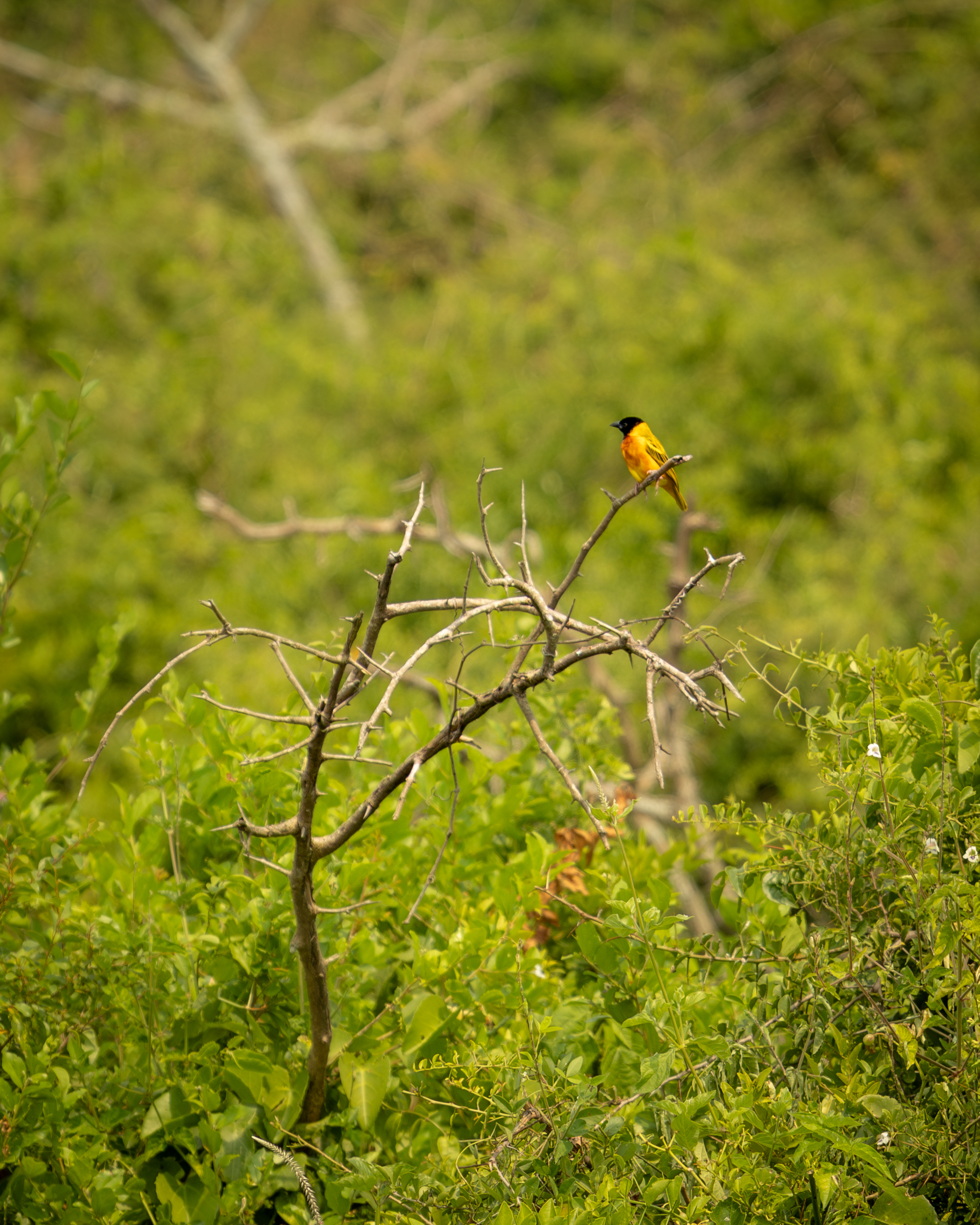
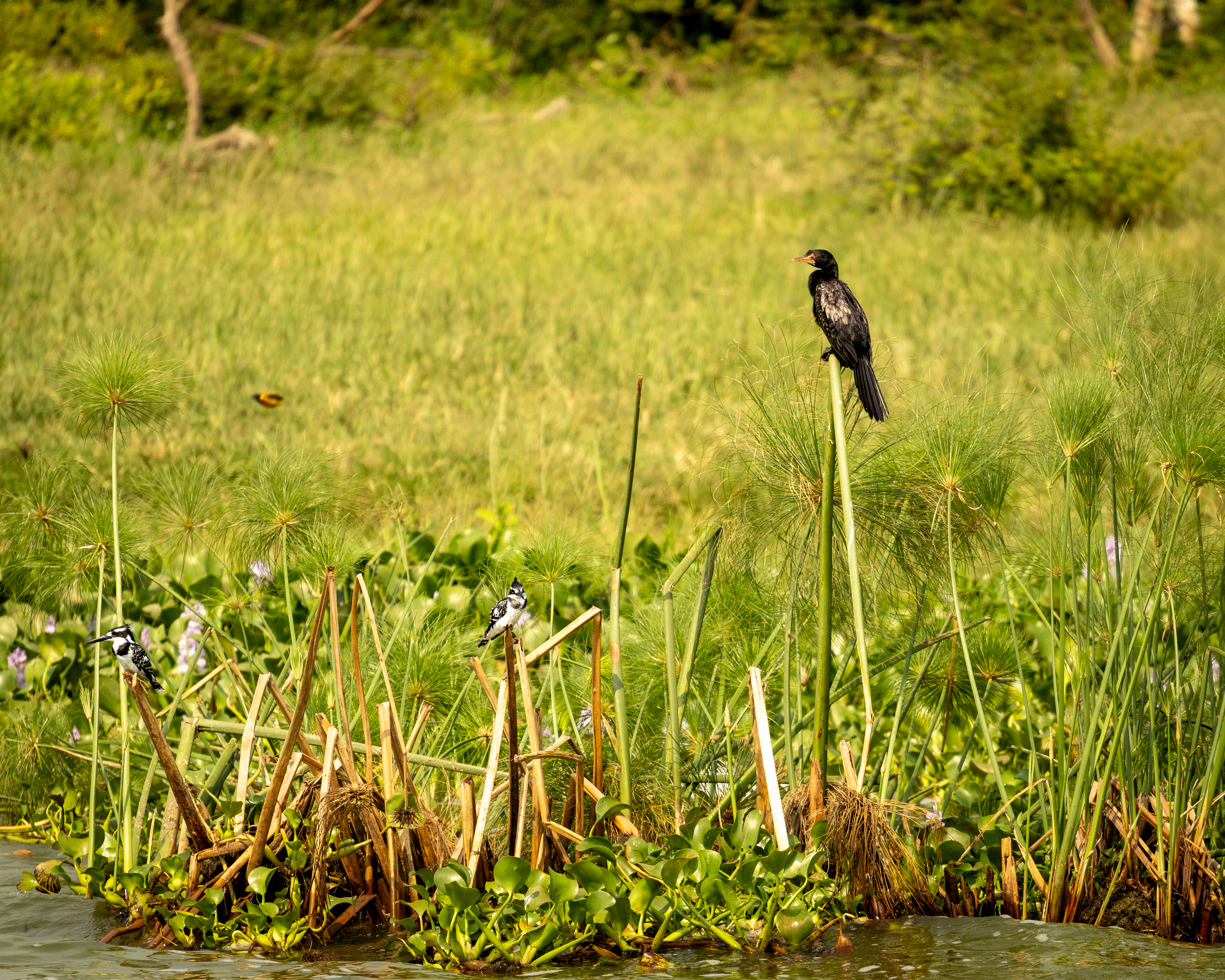
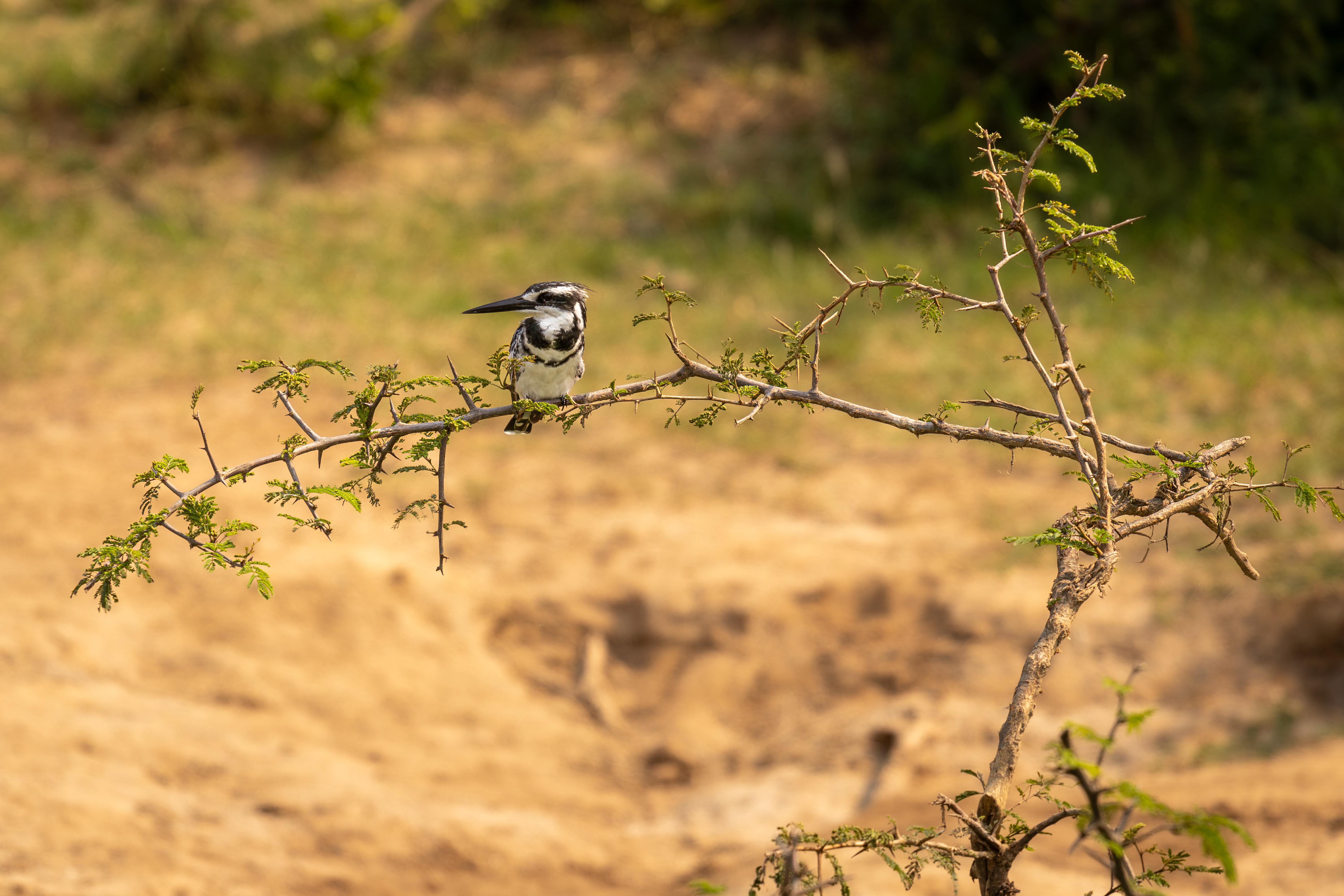
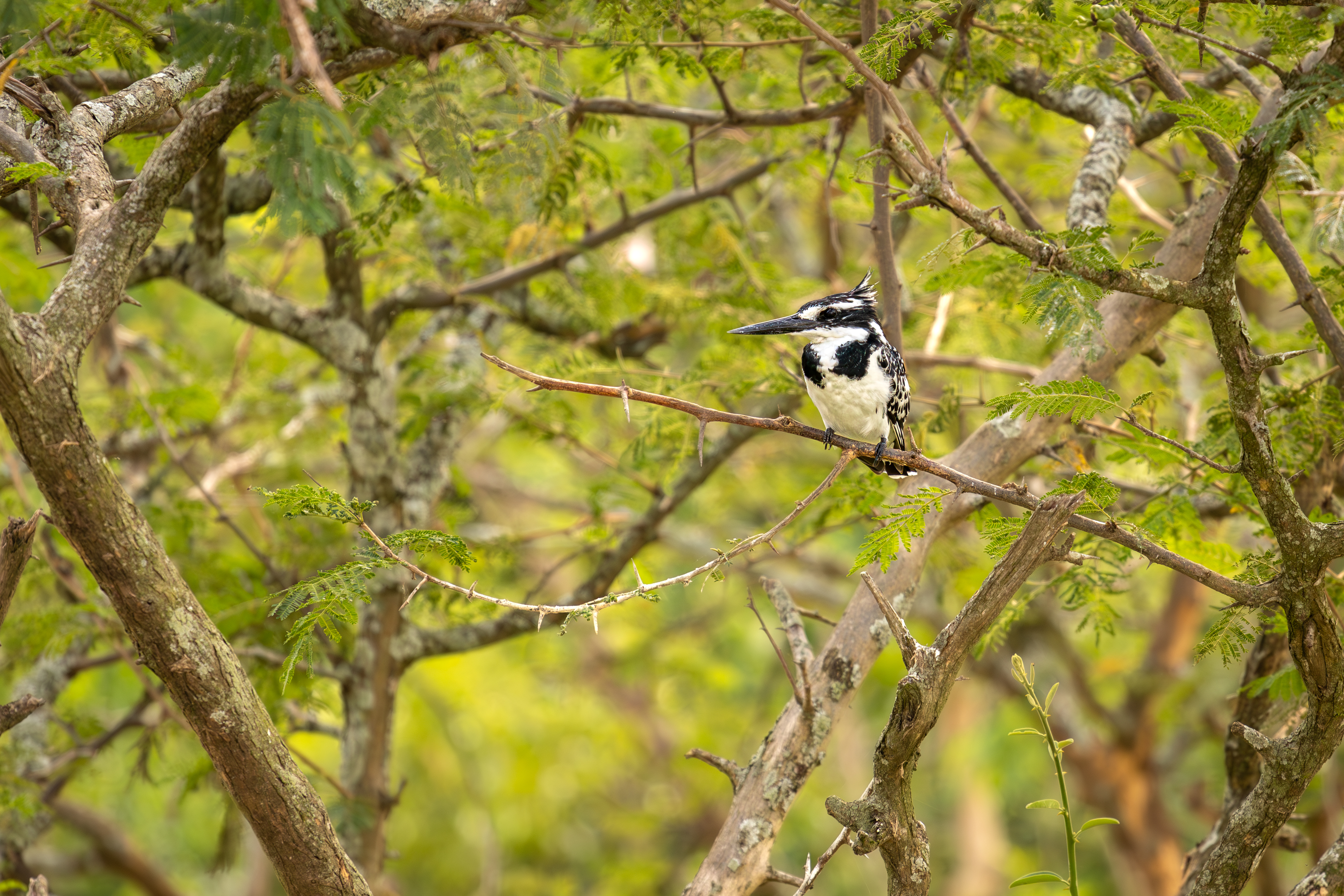
During the boat trip, we saw a lot of birds and even a few monkeys. The diversity of bird species in the area was astounding—kingfishers, eagles, herons were just a few of the highlights. The monkeys added an extra layer of charm to the experience 🙂


Jan 1: Day 8 – Return to Entebbe
Our last day in Uganda was spent driving back to Entebbe. The journey took around 9 hours, including a lunch break at the equator and a short visit to John’s house. Along the way, we chatted about life in Uganda. John shared his thoughts on the political situation, which sparked an interesting discussion. Meanwhile, we admired the beautiful landscapes outside the windows. It was a calm and reflective end to our adventure.
The next morning, we boarded the plane, leaving Uganda with incredible memories of breathtaking wildlife, stunning landscapes, and warm hospitality.
I only wish we had more time to spend there!
Final Thoughts
As I mentioned at the beginning, we knew very little about Uganda before this trip. And from conversations with friends and colleagues, it seems we’re not alone. On the European travel market, Uganda often remains overshadowed by its more famous neighbors. Yet, it’s clear that Churchill wasn’t wrong when he called this country the “Pearl of Africa.”
Uganda offers an incredible variety of ecosystems: rivers, lakes, mountains, savannas, and tropical forests. It’s home to the source of the Nile—a river that feels like it’s straight out of ancient history books. And it’s also home to the most powerful waterfall in the world. Here, you can not only find all the animals from Africa’s Big Five but also countless others.
The people are exceptionally friendly and welcoming, and their respect for nature is truly remarkable. Unlike the cities, none of the national parks we visited had a single piece of litter—something that deeply impressed me. Moreover, with English as one of the official languages, traveling here is much easier. Though the local accent may take a little getting used to.
In short, Uganda is a country absolutely worth visiting. I can wholeheartedly recommend Mukisa Safaris as a tour operator (this isn’t even an ad!) and, of course, our guide, John, who made our journey unforgettable.
Practical Tips for Travelers
- Our guide suggests the best time to visit Uganda is during the dry seasons. These seasons are from June to August and December to February. He also mentioned that most tourists come in the summer, because kids in Europe and the US have holidays.
- Tips for Wildlife Trekking and Game Drives:
- Be active during the game drive. It’s the most fun you’ll have on the trip!
- Talk to your guides—don’t hesitate to ask them questions. They know so much!
- Packing Essentials for a Safari:
- Don’t forget vaccinations. You need a yellow fever vaccine for your visa, and there are others you might need.
- Prepare for malaria. Discuss preventive pills with your doctor in advance.
- Bring comfortable, protective clothing for activities like trekking and game drives. A tour company will give you a packing list—follow it! Some items, especially for chimpanzee trekking, may seem unusual at first, but they’re essential:
- Face mask. You don’t want to catch or spread diseases to the chimps.
- Long pants. You’ll tuck them into your socks to prevent ants from climbing up.
- Long sleeves and gloves. These protect your arms as you push through the rainforest.
- Proper shoes. Trekking in the rainforest can get muddy, especially if it rains, and wearing proper shoes is much safer than sneakers.
- None of this needs to be warm clothing—it’s better if it’s lightweight, as it’s quite warm in Africa 👻
- For jungle trekking, it’s best to wear clothing in natural colors to avoid distracting the animals.
 Anna Širokova
Leave a comment